
Israel moves to reopen the Rafah crossing amid reported ceasefire violations.
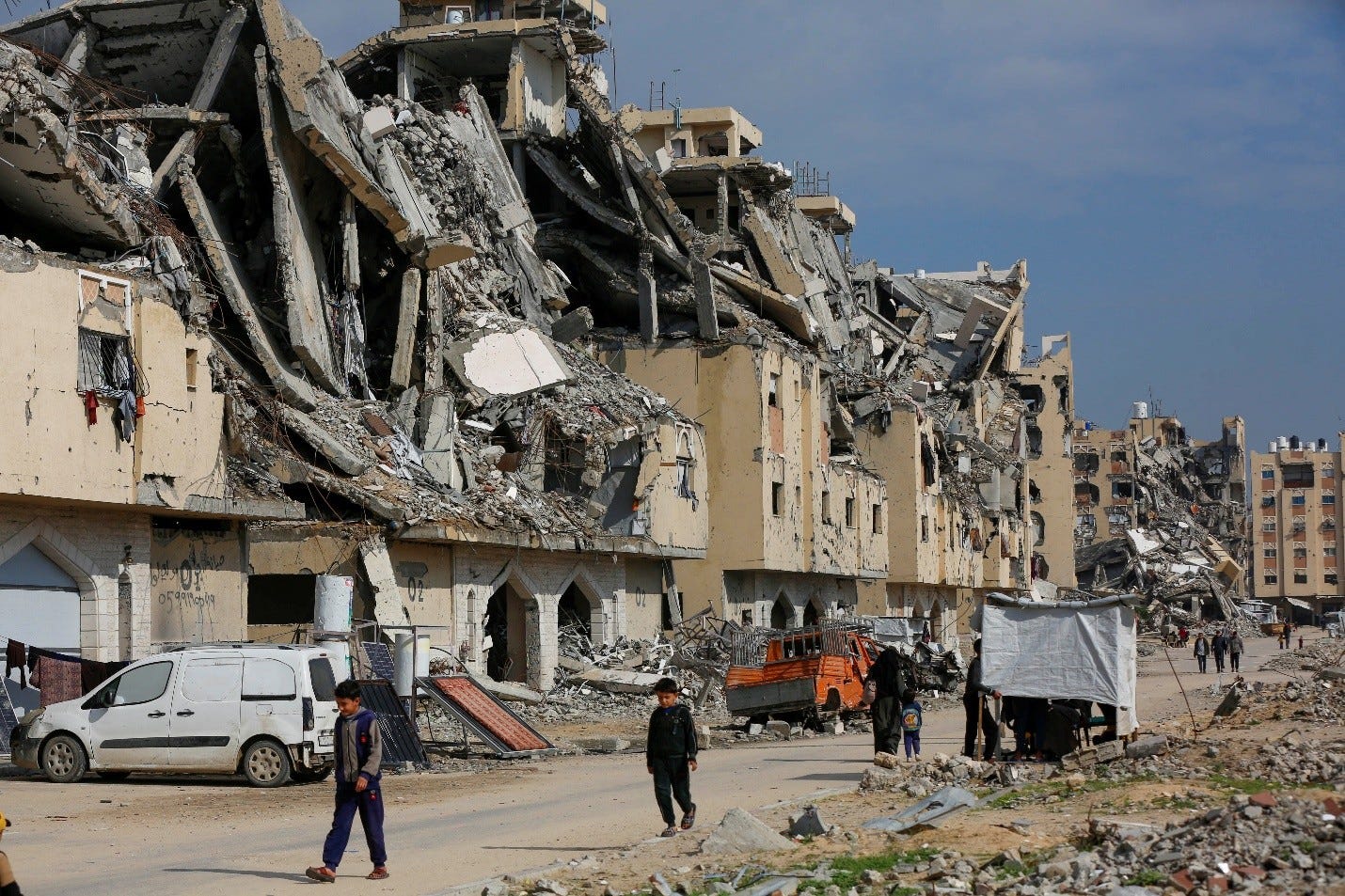
Following previous reports from The Introspective detailing a U.N.-approved plan for the Gaza Strip, the next phase of the ongoing ceasefire began after the remains of the last hostage from Oct. 7—Ran Gvili—were recovered Monday.
“We see all the other families whose sons came back, and we see in their eyes that they have relief,” his sister, Shira Gvili, told The Associated Press in December.
“This is why it’s so important, because we want to move on with our life and just remember Rani.”
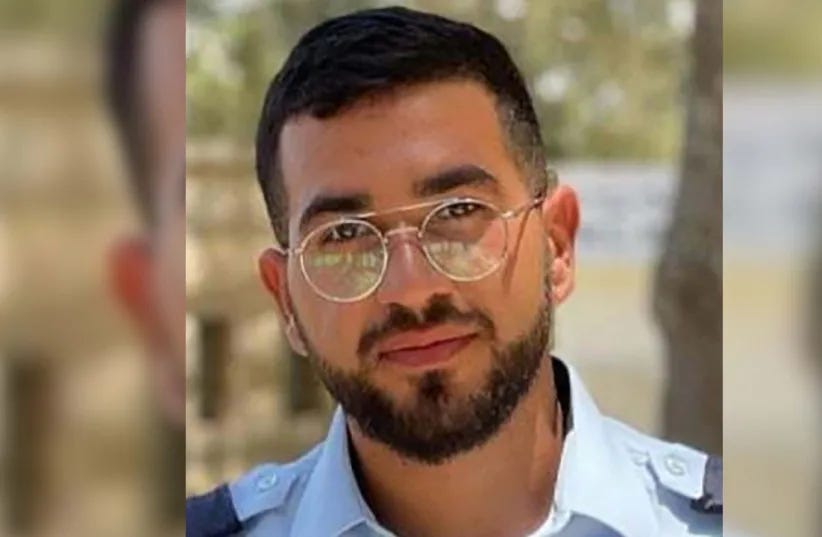
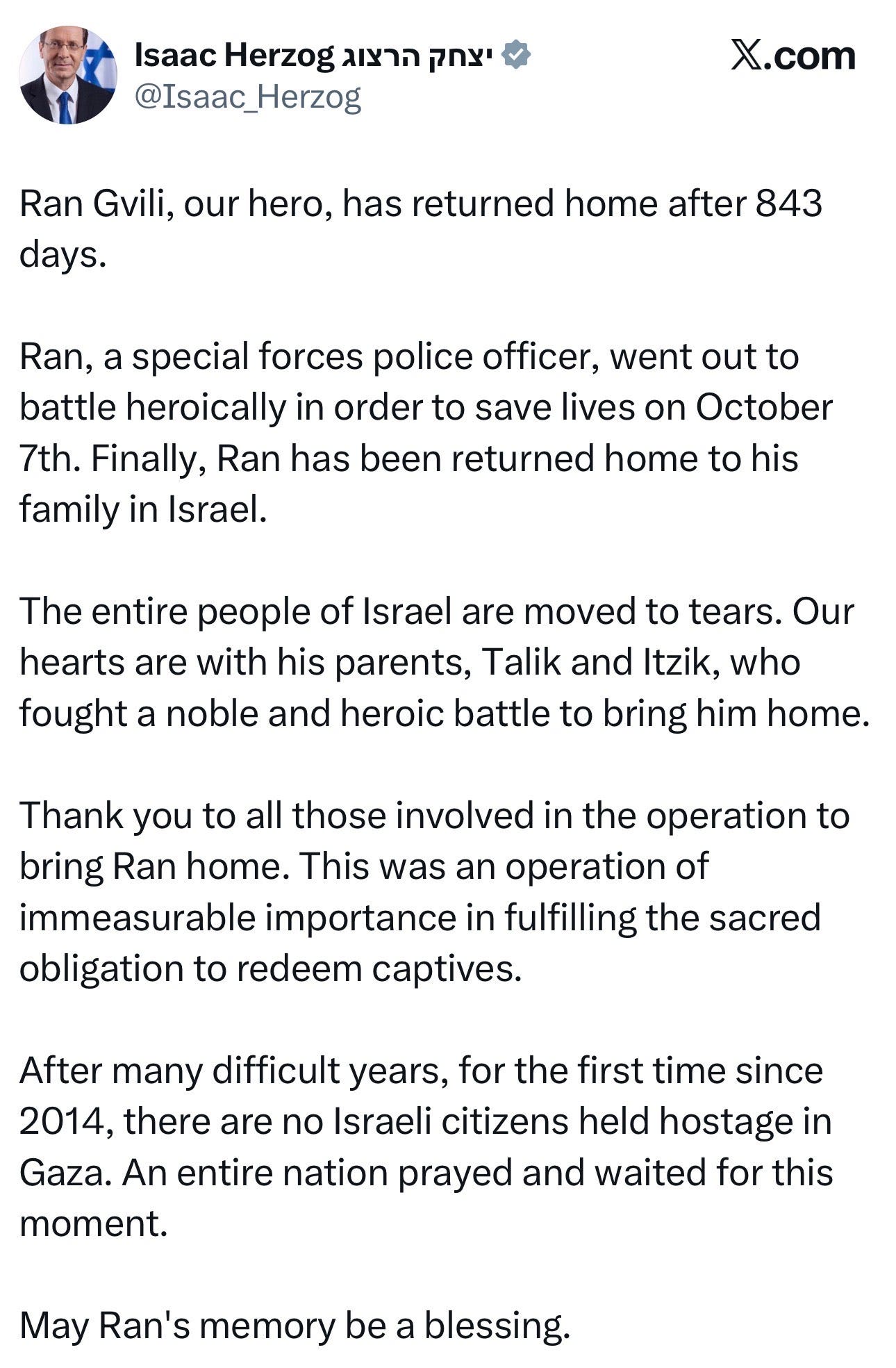
Israeli President Isaac Herzog noted that this marked the first time since 2014 that Israel did not have any hostages held in Gaza, while honoring Gvili.
“The entire people of Israel are moved to tears,” he wrote on X.
“This was an operation of immeasurable importance in fulfilling the sacred obligation to redeem captives.”
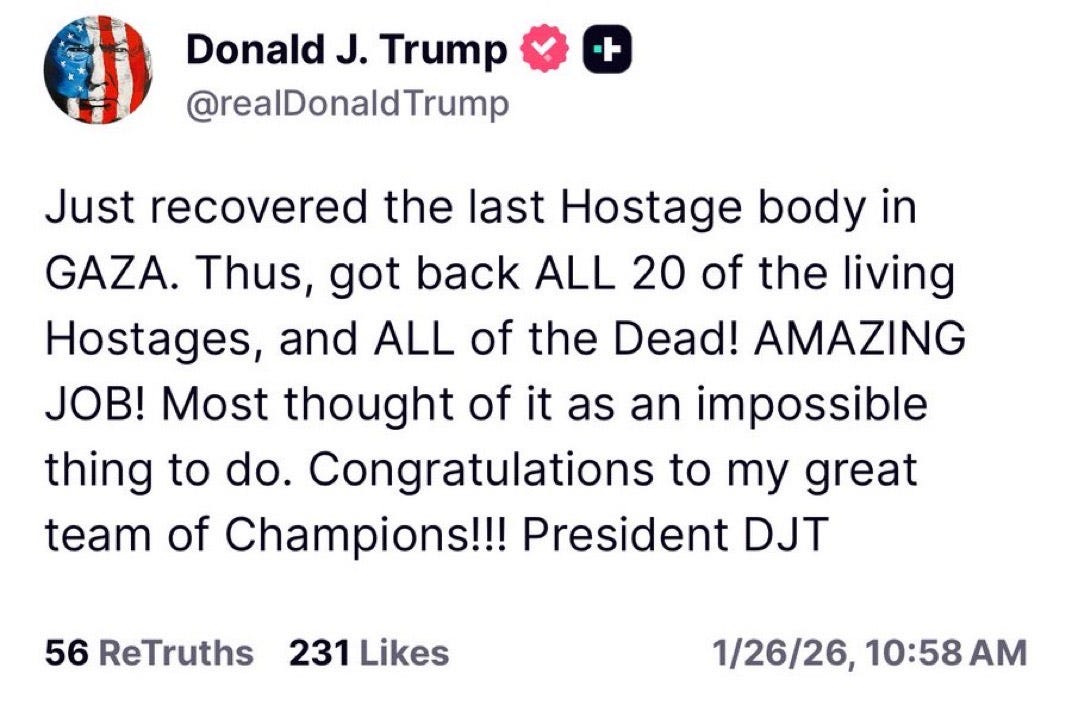
President Trump, who backed the ceasefire agreement, acknowledged Gvili’s recovery on Truth Social.
“Just recovered the last Hostage body in GAZA. Thus, got back ALL 20 of the living Hostages, and ALL of the Dead! AMAZING JOB!” he wrote.
“Most thought of it as an impossible thing to do. Congratulations to my great team of Champions!!!”
This comes as a previous Introspective report detailed multiple human rights groups—including Israeli human rights groups—finding that Israel is committing genocide against Palestinians in Gaza since the events of Oct. 7, 2023, with more than 70,000 Palestinians killed in Israeli bombardment, as estimates are higher.
Rafah Reopening and Next Steps
Since Gvili’s recovery, Israel announced it would reopen the border between Rafah, Gaza, and Egypt—a major step in the conflict—allowing Palestinians to seek medical care abroad.
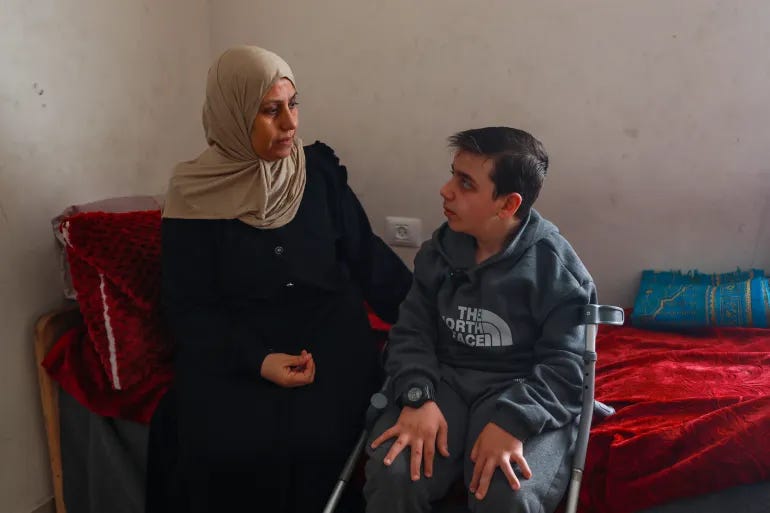
“Yousef has been undergoing treatment for this syndrome since he was very young … he has had around 16 surgeries,” said Khitam, referring to her son, who has a genetic disorder called Ehlers-Danlos syndrome, which impacts bone development, to Al Jazeera.
“We got used to hospitals, but before the war, there was some monitoring and a little hope.”
She later said that throughout the bombardment, Yousef’s condition deteriorated.
“His legs are weaker, walking is harder, he uses crutches,” she said.
“He falls often…and my heart is in my throat every time.”
“I don’t know if he has heart complications or if his spine has worsened … we are living with him with no answers,” she added, saying she no longer knows the full extent of his health.
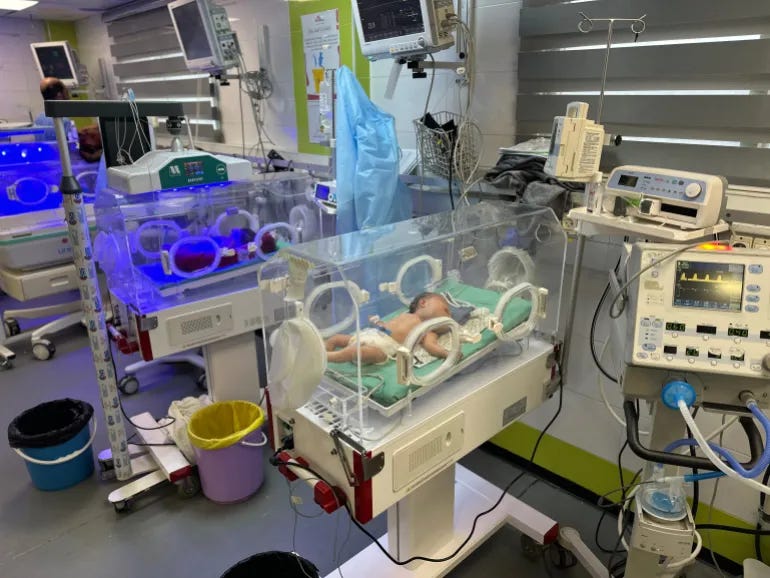
In that same report, Doaa Qeshta detailed her newborn daughter, Hur Qeshta, needing emergency surgery after being born with a tumor on her neck.
“From the first moment she was born, the family started a new battle against time to ensure she could urgently travel for treatment,” she said, highlighting that surgery inside Gaza is “impossible” due to the lack of hospitals following the bombardment.
“She can’t breastfeed, everything is through a tube, and the mass is growing rapidly…all within 15 days.”
Qeshta added that her daughter’s condition is linked to her circumstances during pregnancy, including displacement, exposure to smoke, gunpowder, and hunger.
“I was pregnant during famine … no food, no vitamins, no safety,” she said, mentioning an instance when bombing less than 1,000 feet away from their tent made them think they were dead.
“Opening the crossing means saving my daughter’s life,” she added.
“I’ve registered the whole family as companions…the most important thing is Hur goes, gets treatment, and survives.”
More than 100,000 Palestinians have left Gaza since the events of Oct. 7, with backlash forming over Israel not allowing foreign journalists into the strip, despite aid workers being allowed back in.
“We see international aid entering daily to the strip, we see international aid workers and U.N. workers, and Israelis entering,” said Gilead Sher, a lawyer for the Foreign Press Association, to The New York Times.
“But foreign journalists are prohibited.”
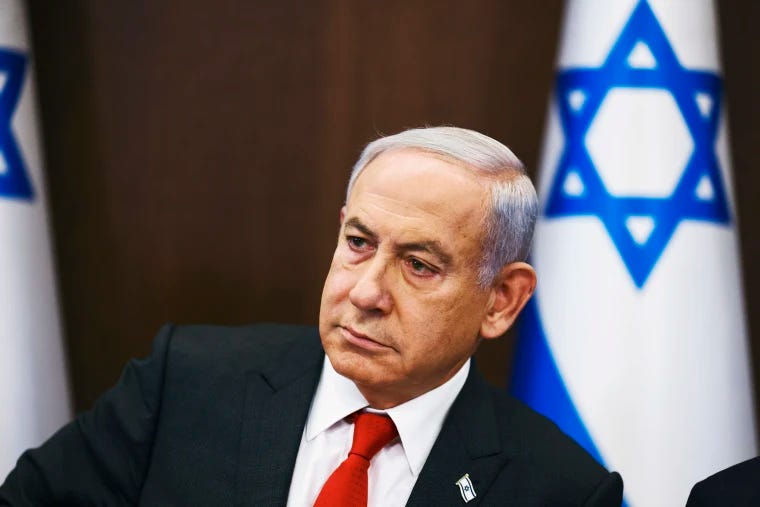
At the same time, Israeli Prime Minister Benjamin Netanyahu said the next phase of the ceasefire would focus on disarming Hamas and demilitarizing the Gaza Strip, not reconstruction.
“We are at the threshold of the next phase: Disarming Hamas and demilitarizing the Gaza Strip,” he told lawmakers after Ran Gvili’s recovery, adding that demilitarization “will happen—as our friend Trump said—the easy way or the hard way, but it will happen.”
“The next phase is not reconstruction,” he continued.
“We have an interest in advancing this phase, not delaying it. The sooner we do so, the sooner we will complete the objectives of the war.”
This comes amid alleged ceasefire violations by Israel after two Palestinians were injured by gunfire in al-Mawasi, west of Khan Younis. A report from Anadolu detailed a 17-year-old boy being killed by an airstrike in Gaza City, raising implications as ceasefire violations have killed 486 people and wounded 1,341.
 The Introspective
Leave a comment