
Hundreds killed, thousands displaced, as severe flooding and landslides overwhelm the island.
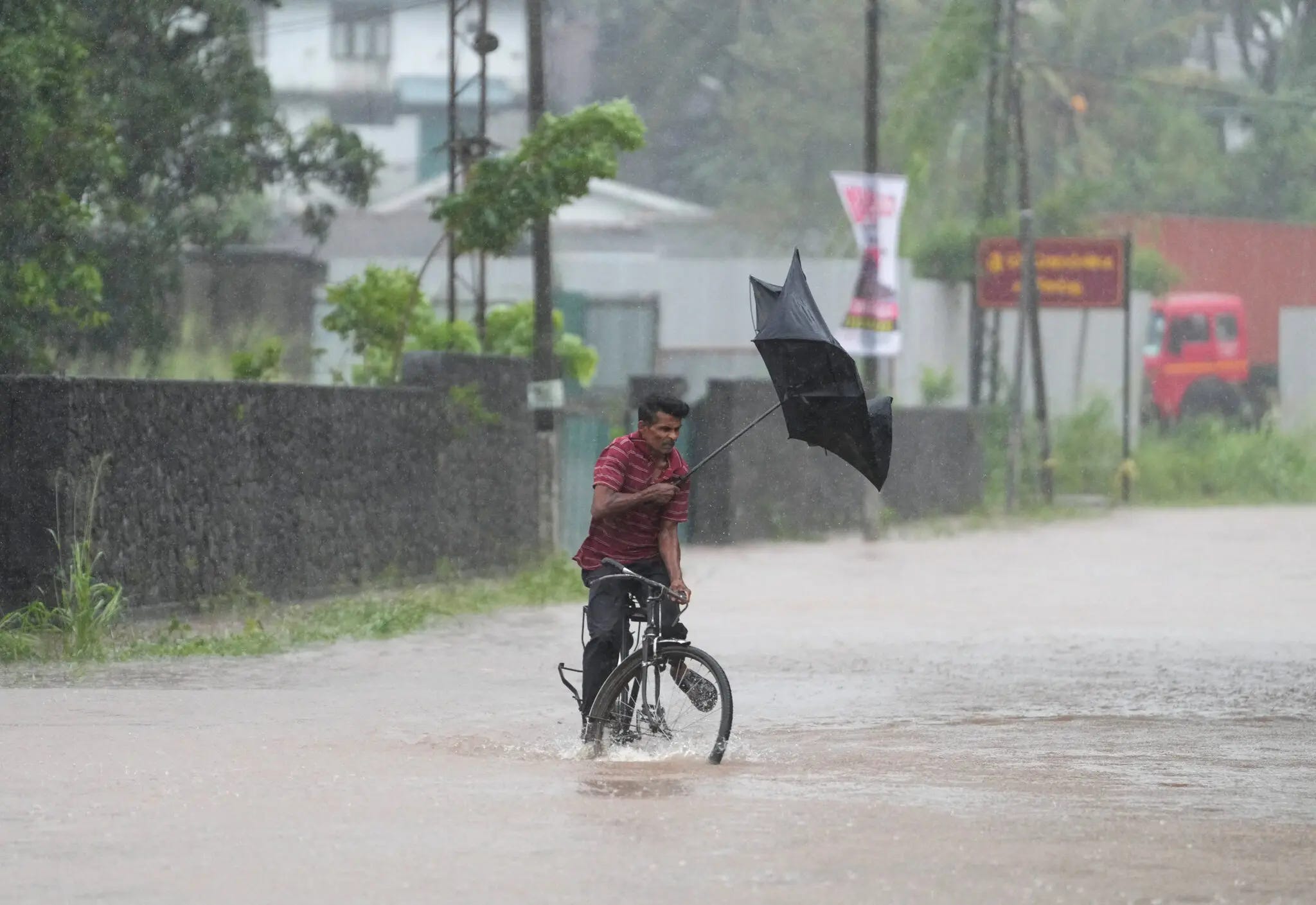
Sri Lanka was devastated by the effects of Cyclone Ditwah throughout the weekend, with the island facing flooding and landslides as rescue efforts continue.
“Our home was buried under the earth,” said Layani Rasika Niroshani, whose house was destroyed by a landslide, told The Guardian.
“My family is in shock. We have to rebuild from scratch. Sometimes that’s even worse than living.”
This comes as more than 411 people were killed in the storm, with 336 still missing, and 4 people killed in neighboring India.
Infrastructure Destroyed
A report from the United Nations found that 15,000 homes have been destroyed in the storm, with nearly 1 million people impacted as all 25 districts faced damage to infrastructure such as bridges, public transportation and the national power grid.
“The whole country is a disaster zone, except for a few places,” said Dr. Vinya Ariyaratne, president of the community organization Sarvodaya Shramadana Movement, told The New York Times.
“That’s the difference between the tsunami and this one—the tsunami was only coastal areas,” he continued, referring to the 2004 Indian Ocean tsunami that killed 35,322 people in the island nation and 227,898 across 14 countries in the deadliest natural disaster of the 21st century.
“It’s massive, massive damage in terms of infrastructure, houses, livelihoods and also businesses.”
 United Nations Report
In that same report, there were fears of crime as floodwaters began to subside.
“Our area is known for drugs,” said Ganga Niroshini, who kept a flashlight pointed toward her house following the storm.
“We’re scared that drug users will break into our houses as the water recedes, or steal our vehicles.”
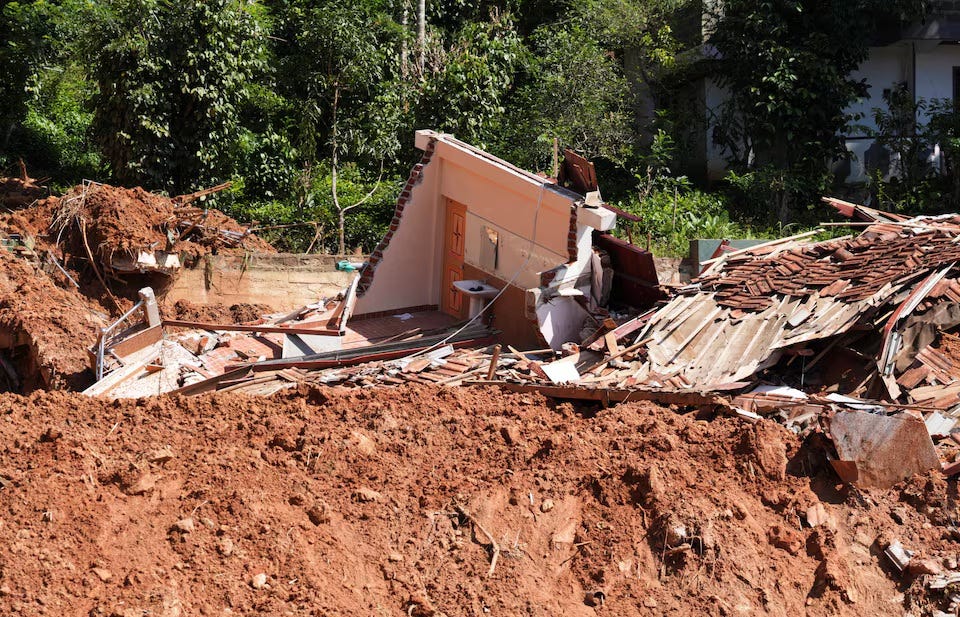
Clean water was also a concern as evacuation orders displaced thousands of people throughout the island.
Rescue and Search Efforts
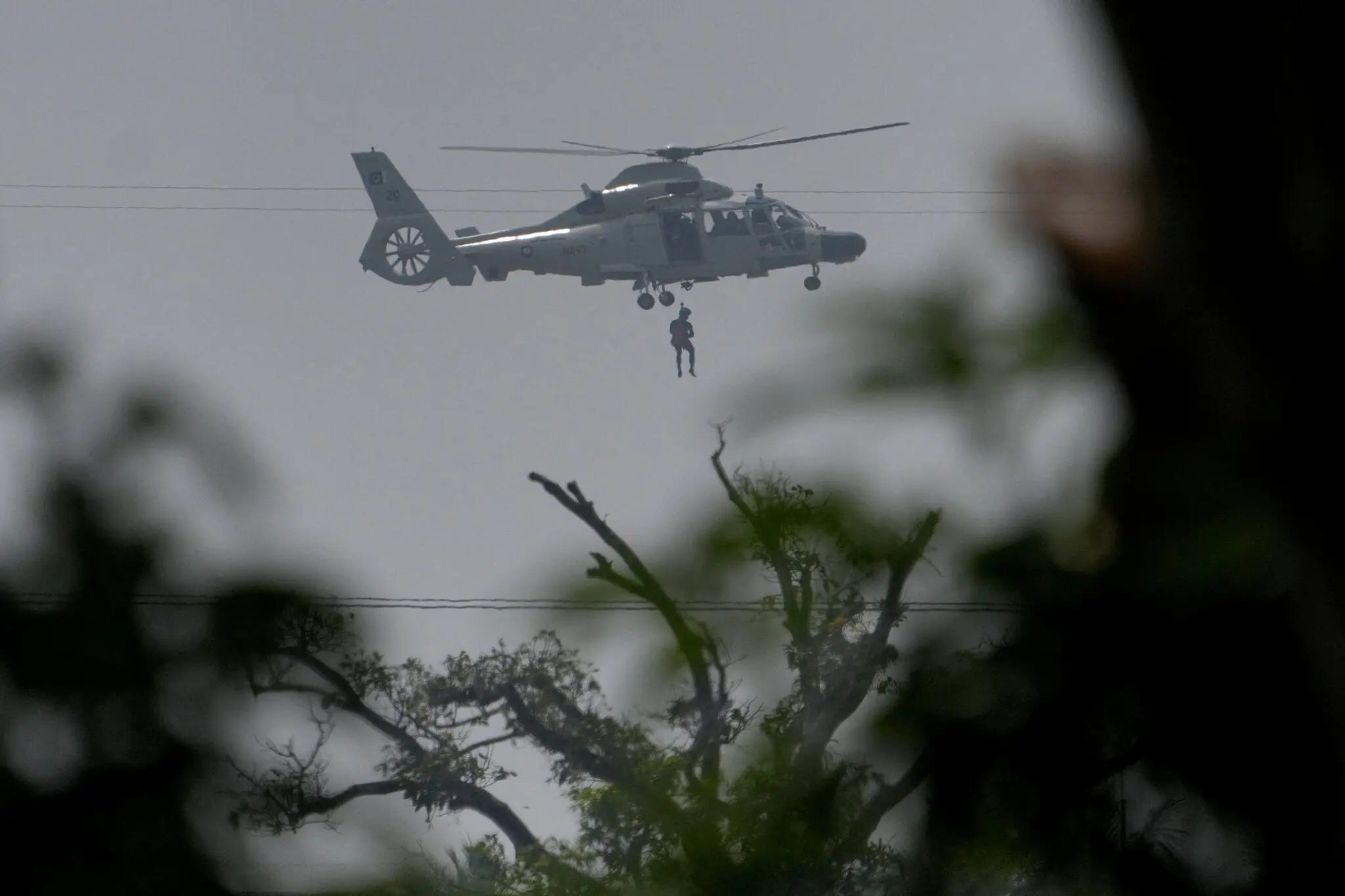
Following the cyclone, the International Organization for Migration (IOM) deployed teams to the country, providing supplies and shelter as recovery efforts continue.
“The people of Sri Lanka have not seen such widespread destruction in years,” said Kristin Parco, chief of mission for IOM’s Sri Lanka chapter, in a press release.
“Communities have been uprooted and many families are now sheltering in overcrowded, temporary spaces while facing immense uncertainty,” she continued.
“We are entering a critical phase of this emergency, and mobilizing humanitarian assistance is essential to reduce the suffering of those displaced by Cyclone Ditwah and to ensure their safety, dignity and access to basic services during this difficult time.”
The United Nations later activated its emergency coordination system, supporting efforts to ease food insecurity and provide proper water and sanitation.
“Deeply saddened by the loss of lives caused by #CycloneDitwah,” wrote UN Resident Coordinator Marc-André Franche on X.
“The @UNSriLanka is mobilizing its teams across the UN system to support national rescue & early recovery efforts, in coordination with authorities,” he continued.
“We stand in solidarity with all affected communities.”
In Indonesia—where over 600 people were killed by the cyclone—the military was deployed to Sri Lanka to aid in rescue efforts, with Indonesian President Prabowo Subianto saying that “the worst has passed, hopefully,” during a visit to Indonesia’s North Sumatra province.
Sri Lankan President Anura Kumara Dissanayake later declared a state of emergency to advance rescue efforts.
“We are facing the largest and most challenging natural disaster in our history,” he said in an address to the country.
“Certainly, we will build a better nation than what existed before.”
Train services were later restored by Monday, with telephone service and electricity following shortly after. This comes as more than 1,000 schools across the country have closed as recovery efforts are ongoing.
 The Introspective
Leave a comment