
Fighting escalates as Thailand and Cambodia exchange fire amid an unresolved border dispute.
Thailand and Cambodia are facing renewed conflict over a border dispute, stemming from a history of colonialism following Cambodia’s independence from France in 1953.
“Thailand has never wished for violence. I’d like to reiterate that Thailand has never initiated a fight or an invasion, but will never tolerate a violation of its sovereignty,” said Thai Prime Minister Anutin Charnvirakul, adding that military forces will protect public safety.
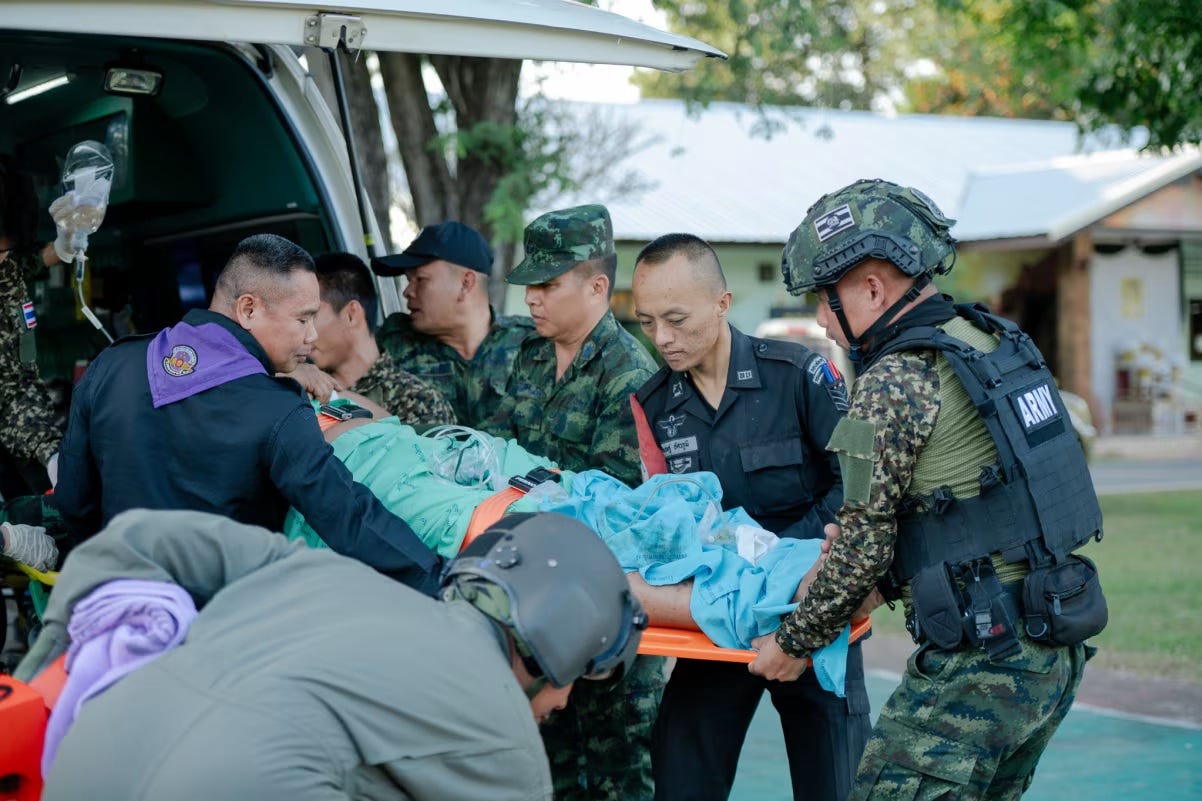
This comes as fighting broke out along the Cambodia–Thailand border Monday, with at least seven civilians killed and 20 injured in Cambodia, and three Thai soldiers killed and 29 injured.
Background
The conflict began following the Franco-Siamese treaties of 1904 and 1907, which defined the border between Thailand—then known as Siam—and French Indochina—which included Cambodia.
In 1962, the International Court of Justice (ICJ) ruled in favor of Cambodia over the location of the Preah Vihear Temple, increasing tensions between the two Southeast Asian countries since then.
 1962 ICJ Ruling
After being dormant for more than a decade, tensions resumed in July after a land mine explosion wounded five Thai soldiers along the border, displacing more than 200,000 people as negotiations over a ceasefire began.
“Cambodian attacks remain irregular and may constitute violations of rules of engagement, posing further risk to border communities,” read a Thai military summary of the fighting from July, obtained by The Introspective.
“The situation remains highly tense, and it is anticipated that Cambodia may be preparing for a major military operation prior to entering negotiations.”
A ceasefire, the Kuala Lumpur Peace Accord, was signed in October at the Association of Southeast Asian Nations (ASEAN) summit in Malaysia.
“We reaffirm the unwavering commitment to peace and security between our two countries,” the agreement read.
“And reiterate our firm commitment to refrain from the threat or use of force, to the peaceful settlement of disputes, and to respect for international boundaries and international law, for the promotion of peace, security, stability and prosperity in the region based on mutual respect for the independence, sovereignty, equality, territorial integrity and national identity of our respective nations.”
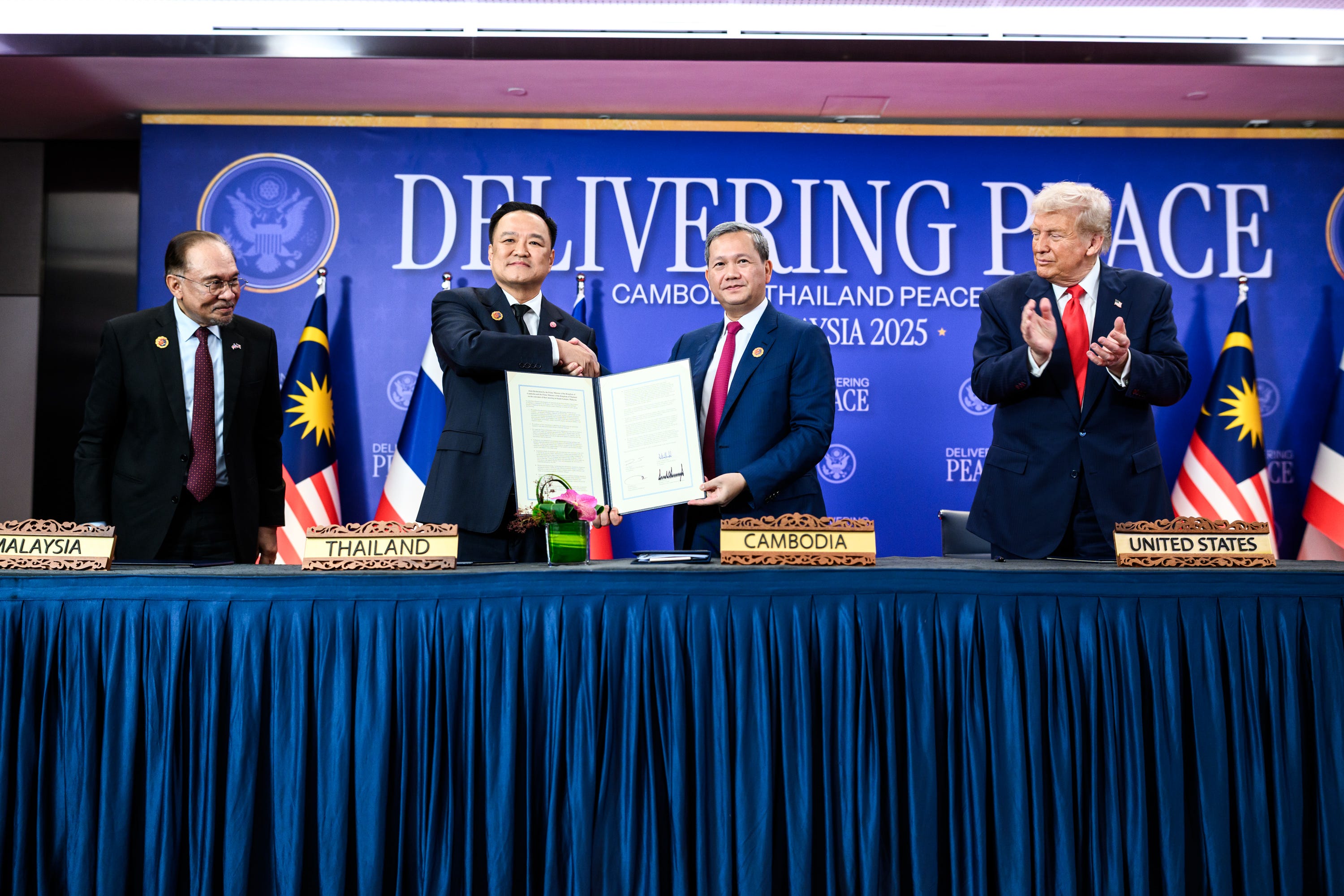
The agreement called for the removal of armored vehicles from border areas, the establishment of a cease-fire monitoring team composed of ASEAN members, cooperation on land mine clearance and removal of explosives from combat zones, the release of Cambodian prisoners of war and the formation of a joint task force to address scams and criminal activity.
Fighting Resumes
Thailand launched airstrikes along the border on Monday, with the Royal Thai Air Force (RTAF) stating the strikes were aimed at “weapon depots, command centers and logistical routes assessed as direct threats.”
“Cambodia had mobilized heavy weaponry, repositioned combat units and prepared fire-support elements—activities that could escalate military operations and pose a threat to the Thai border area,” said the RTAF.
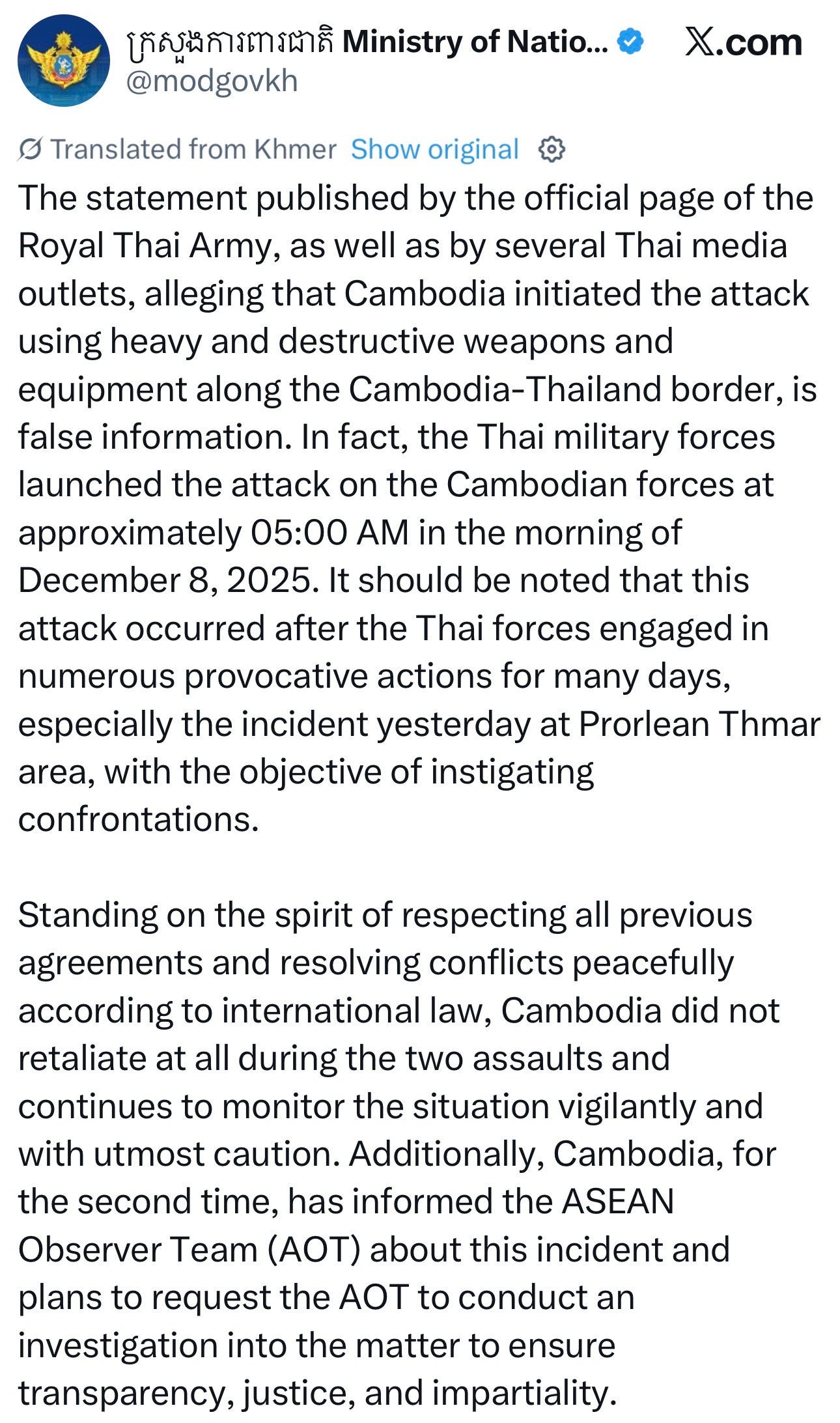
Cambodia denied allegations of resuming the conflict, dismissing it as “false information.”
“Standing on the spirit of respecting all previous agreements and resolving conflicts peacefully according to international law, Cambodia did not retaliate at all during the two assaults and continues to monitor the situation vigilantly and with utmost caution,” said the country’s Ministry of National Defense to X.
Cambodian Prime Minister Hun Manet later said that the government’s objective is to protect people and the nation’s sovereignty.
“I ask all ministries, institutions, authorities at all levels, all types of armed forces and all Cambodian citizens to unite for the cause of the nation and the homeland during this difficult period,” he wrote on Facebook.
Cambodian Defense Ministry spokesperson Maly Socheata claimed that Thailand attacked first, adding that Cambodia did not retaliate in the initial attacks.
“Cambodia urges that Thailand immediately stop all hostile activities that threaten peace and stability in the region,” she said.
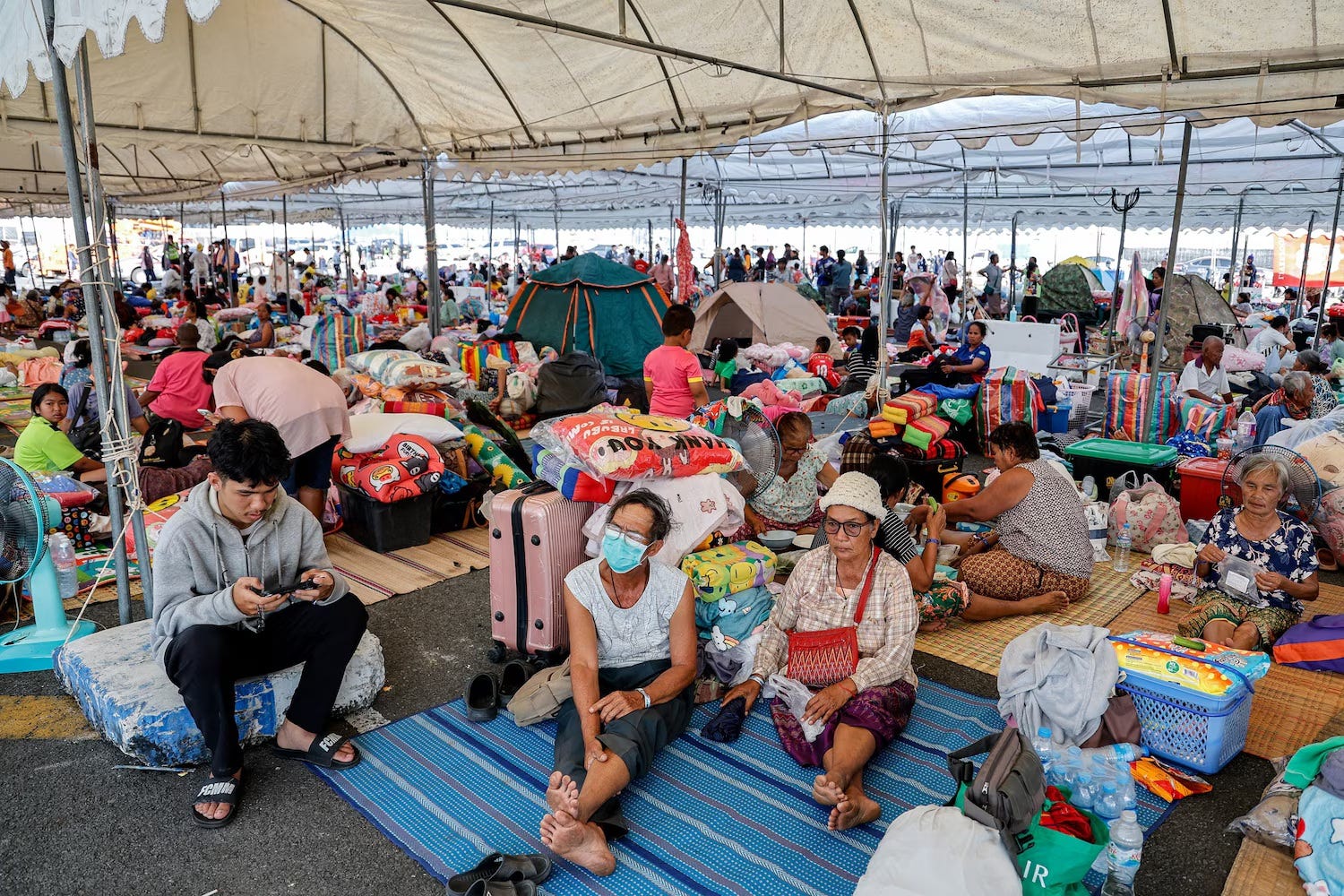
This comes as thousands of people have been displaced since fighting resumed, with Thailand stating that 70% of civilians have been removed from border areas.
 The Introspective
Leave a comment