
Court fight over agency control unfolds as the administration issues new payments, migrant fees, and enforcement actions.
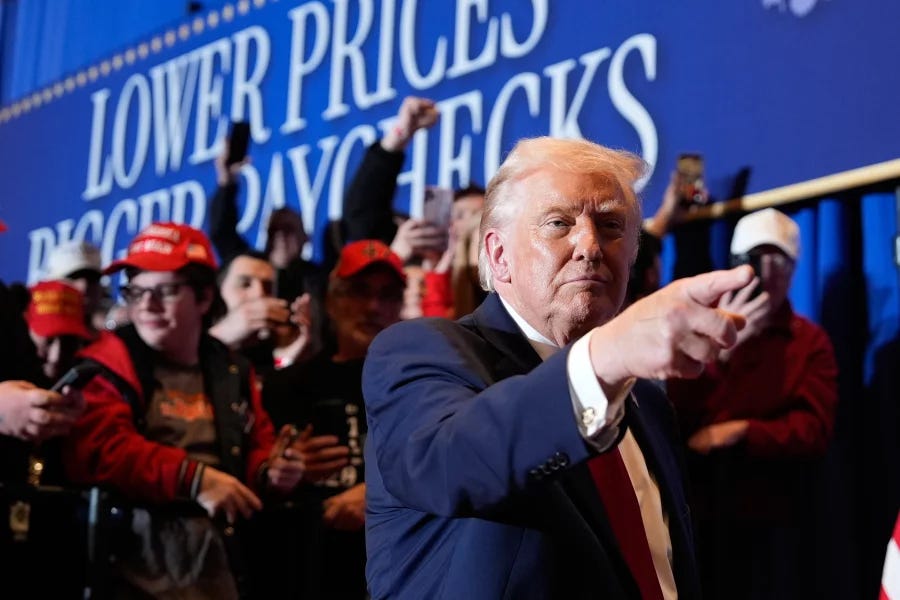
Trump’s 47th week brought updates to alleged drug cartels, immigration, the Supreme Court and the economy. Following a previous report by The Introspective detailing the CIA launching covert operations in Venezuela over alleged drug cartels, the U.S. seized an oil tanker off the coast of the Latin American country, escalating tensions as operations continue. This comes as the Trump administration began setting up militarized zones along the California–Mexico border as anti-immigrant sentiment continues. Patrol Chief Michael Banks later announced that all undocumented immigrants detained will be charged a $5,000 “apprehension fee.”
Following a previous Introspective report detailing the Supreme Court allowing President Trump to fire Federal Trade Commission (FTC) Chair Rebecca Slaughter, the court is leaning toward ruling in favor of Trump. This comes after a previous report detailing an executive order that gave the White House control over independent agencies such as the FTC and the Federal Communications Commission (FCC). At the same time, as the trade war continues, Trump announced a $12 billion payment to farmers by February, raising implications as the Federal Reserve cut interest rates over fears of inflation.
Venezuela, Mexico, and Immigration
As tensions with Venezuela continue, the U.S. seized an oil tanker off the country’s coast.
“As you probably know, we’ve just seized a tanker on the coast of Venezuela,” Trump said, calling it an “interesting day.”
“Large tanker, very large, largest one ever seized, actually.”

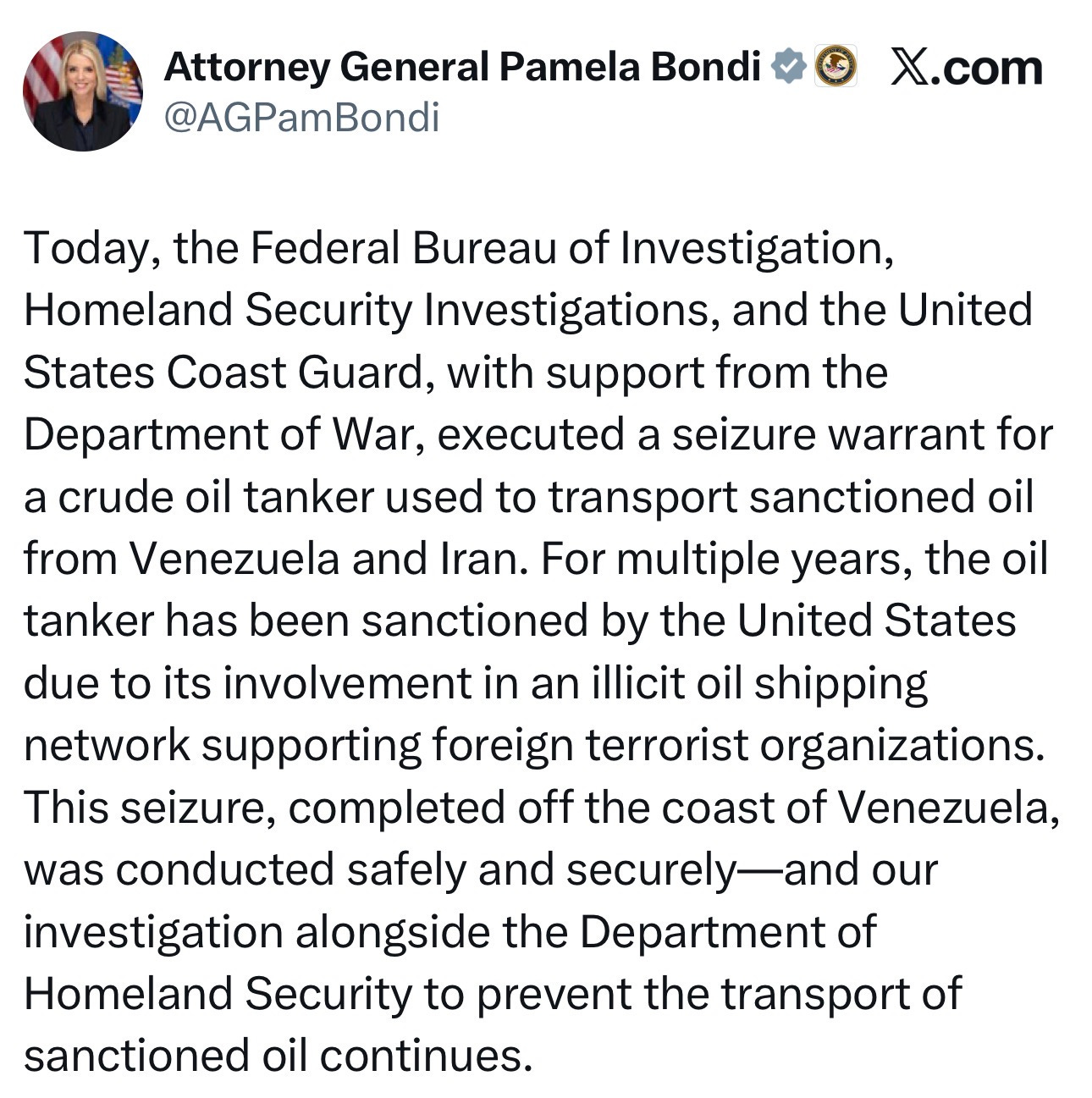
In an X post, Attorney General Pam Bondi wrote that the government had a seizure warrant on a tanker carrying oil from Venezuela to Iran.
“For multiple years, the oil tanker has been sanctioned by the United States due to its involvement in an illicit oil shipping network supporting foreign terrorist organizations,” she said.
Venezuelan Foreign Affairs Minister Yván Gil Pinto criticized the seizure in an Instagram post, calling it “blatant theft” and “an act of international piracy.”
“The true reasons for the prolonged aggression against Venezuela have been laid bare,” he said.
“It is not migration. It is not drug trafficking. It is not democracy. It is not human rights. It has always been about our natural wealth—our oil, our energy, the resources that belong exclusively to the Venezuelan people.”
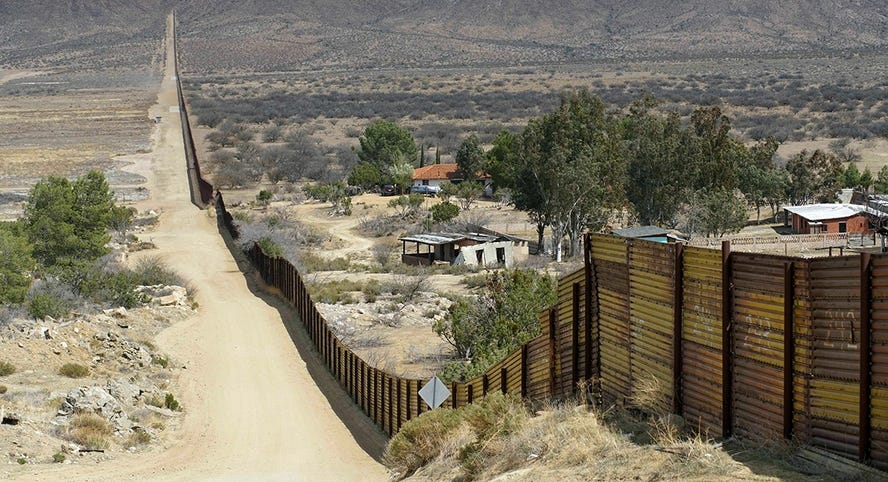
This comes as the Trump administration began setting up militarized zones along the California–Mexico border to reinforce “the historic role public lands have played in safeguarding national sovereignty.”
“President Trump has made it clear that securing our border and restoring American sovereignty are top national priorities,” Interior Secretary Doug Burgum said in a press release.
“This action delivers on that commitment. By working with the Navy to close long-standing security gaps, we are strengthening national defense, protecting our public lands from unlawful use, and advancing the President’s agenda to put the safety and security of the American people first.”
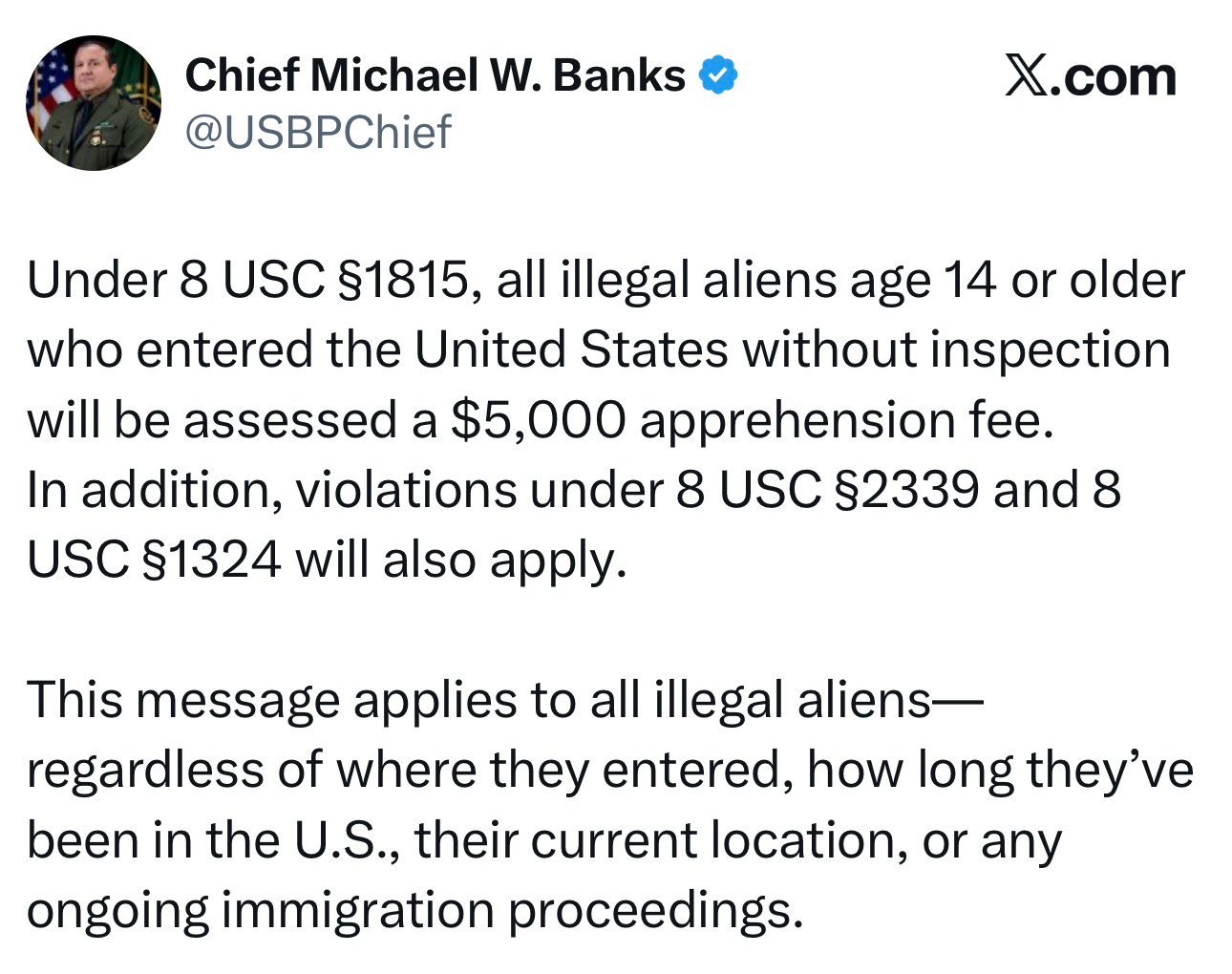
Meanwhile, Border Patrol Chief Michael Banks announced that all undocumented immigrants detained will be charged a $5,000 “apprehension fee.”
“This message applies to all illegal aliens—regardless of where they entered, how long they’ve been in the U.S., their current location or any ongoing immigration proceedings,” Banks wrote to X, citing the “Big Beautiful Bill” Trump signed in July.
Supreme Court, Farmers, and Economy
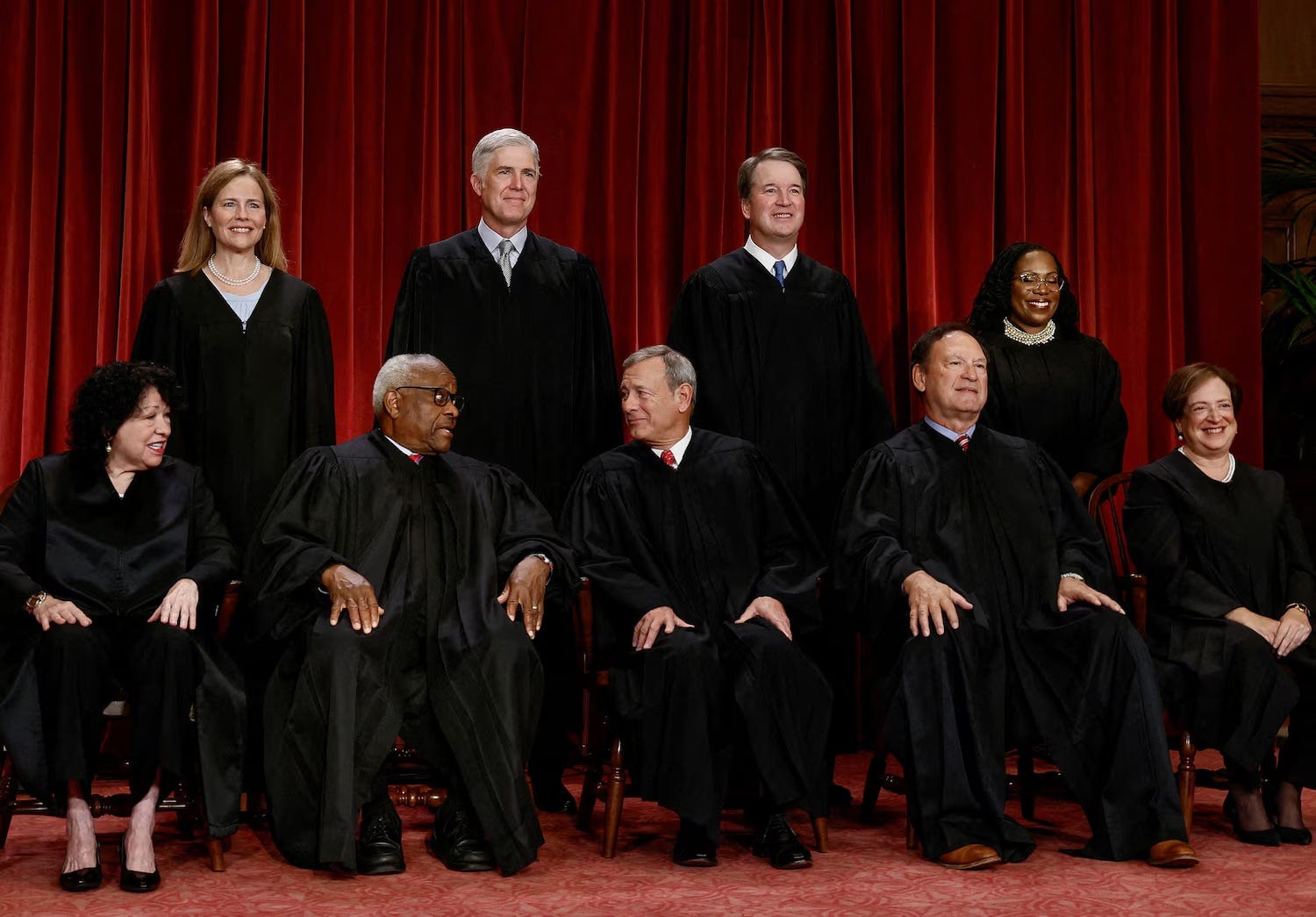
Following a previous report from The Introspective detailing the firing of FTC Chair Rebecca Slaughter, the Supreme Court is leaning toward ruling in favor of Trump in his decision.
“Humphrey’s Executor is just a dried husk of whatever people used to think it was,” Chief Justice John Roberts said, referring to Humphrey’s Executor v. United States, a 1935 ruling that bars the president from firing officials from independent agencies.
Justice Elena Kagan raised concerns about precedent, emphasizing the regulatory authority of the agencies.
“The result of what you want is that the president is going to have massive, unchecked, uncontrolled power not only to do traditional execution [of the laws] but to make law,” she said.
Justice Brett Kavanaugh dismissed the concerns, saying, “Overruling or narrowing Humphrey’s won’t affect the existence of these agencies.”
A decision is expected by June 2026.
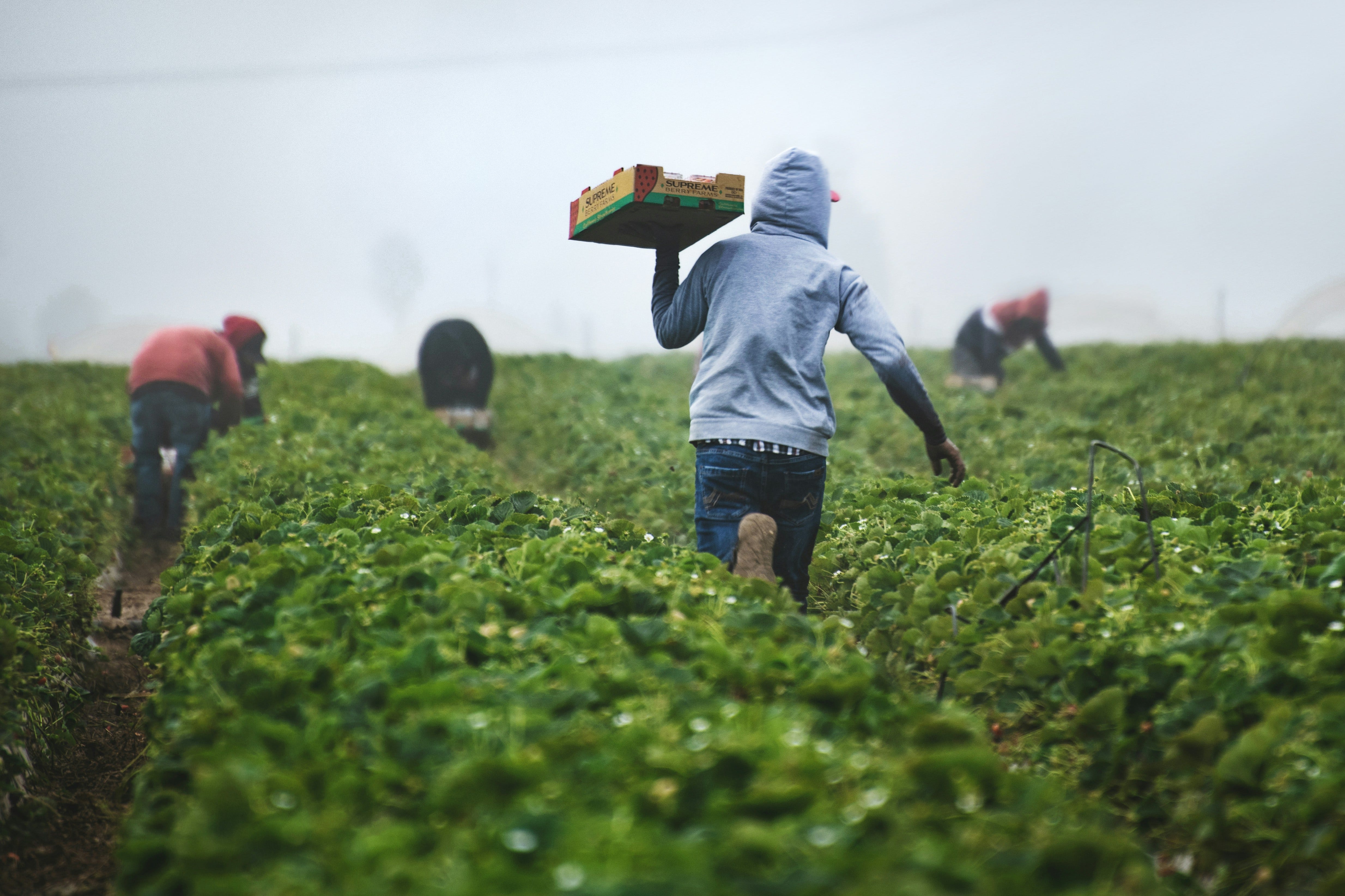
Meanwhile, as the trade war continues, the Trump administration announced a one-time $12 billion payment to farmers by February.
“What we’re doing is we’re taking a relatively small portion of that, and we’re going to be giving and providing it to the farmers in economic assistance. And we love our farmers,” Trump said.
“And as you know, the farmers like me, because, you know, based on voting trends—you could call it voting trends or anything else—but they’re great people.”
The White House said the program, called Farm Bridge Assistance, is meant to support agriculture until policies such as lower taxes take effect.
“President Trump is helping our agriculture industry by negotiating new trade deals to open new export markets for our farmers and boosting the farm safety net for the first time in a decade,” White House spokesperson Anna Kelly said.
“Today’s announcement reflects the President’s commitment to helping our farmers, who will have the support they need to bridge the gap between Biden’s failures and the President’s successful policies taking effect.”
This comes as the Federal Reserve cut interest rates over fears of inflation.
 The Introspective
Leave a comment