
The week ended with education policy, counter-terrorism operations, and global security concerns.
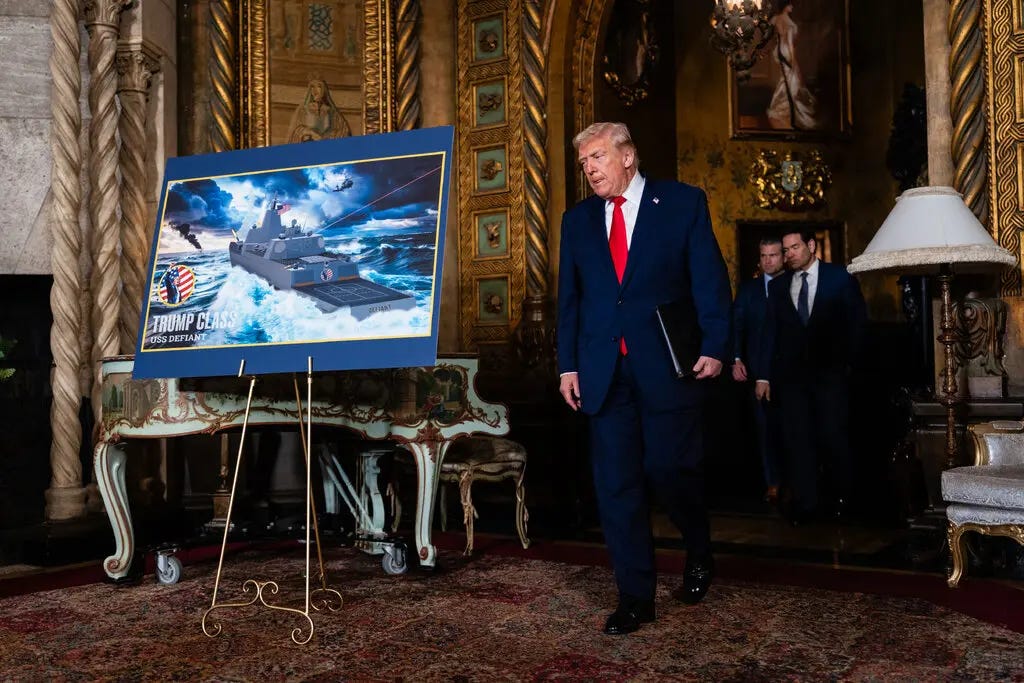
Trump’s 49th week ended with updates on the military, global conflicts, and the economy. Following a previous report from The Introspective detailing U.S. military strikes on ISIS infrastructure in Syria after two American soldiers were killed in an attack, the military later launched strikes on alleged ISIS targets in Nigeria. Meanwhile, following another previous report detailing conflict between the United States, Iran, and Israel from June, Iran claimed it is now at war with the United States, Israel, and Europe.
FBI Director Kash Patel announced that the agency’s long-time headquarters in Washington, D.C., will be closed, raising questions about how operations will be shifted to other offices in the region. Meanwhile, as economic uncertainty and the effects of the trade war continue, the Department of Education announced that student loan payments for borrowers in default will resume in early 2026.
Nigeria and Iran
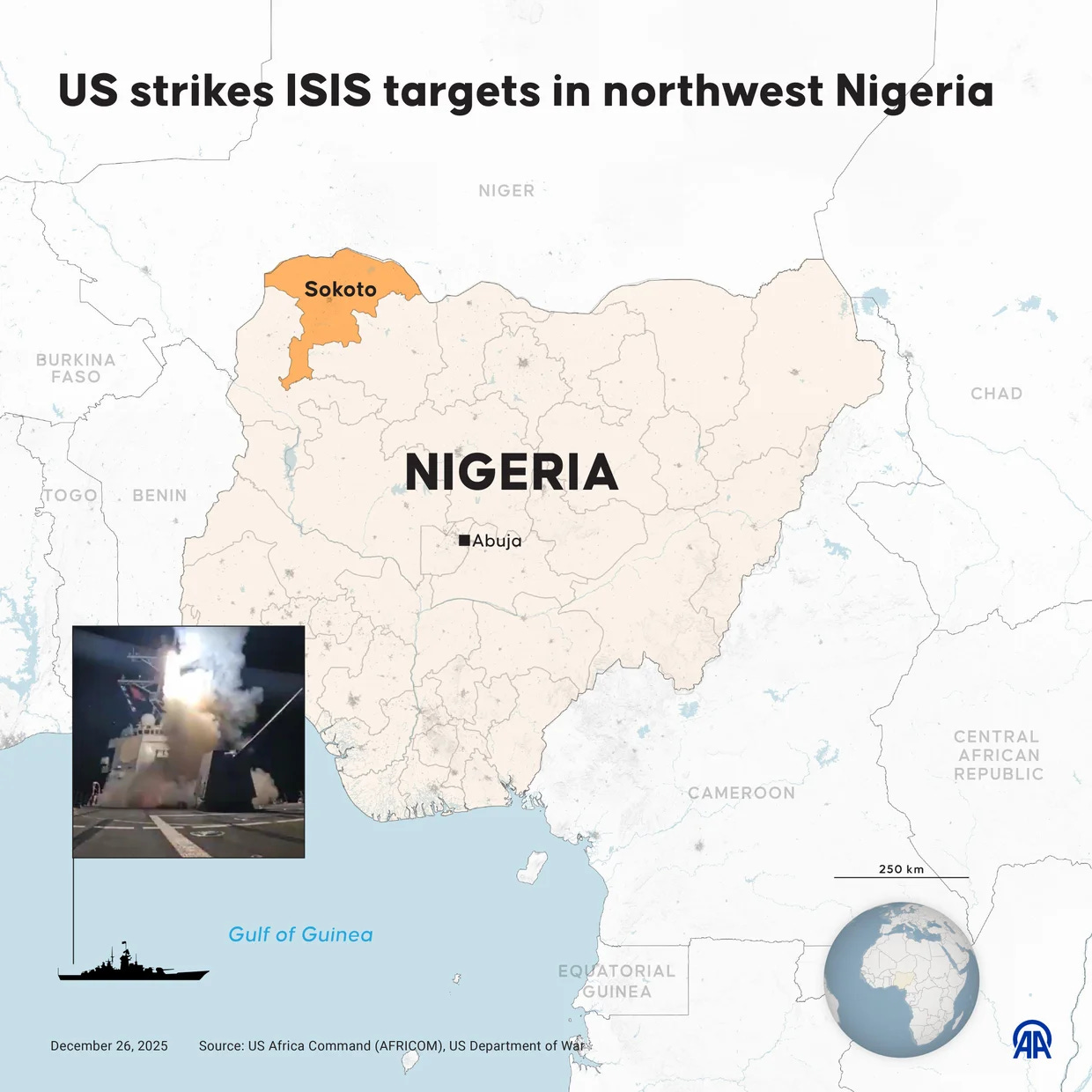
Following a previous Introspective report detailing U.S. military strikes on ISIS in Syria, the military launched strikes on alleged ISIS targets in Nigeria on Christmas.
“Tonight, at my direction as Commander in Chief, the United States launched a powerful and deadly strike against ISIS Terrorist Scum in Northwest Nigeria, who have been targeting and viciously killing, primarily, innocent Christians, at levels not seen for many years, and even centuries!” Trump wrote on Truth Social.
“I have previously warned these terrorists that if they did not stop the slaughtering of Christians, there would be hell to pay, and tonight, there was.”
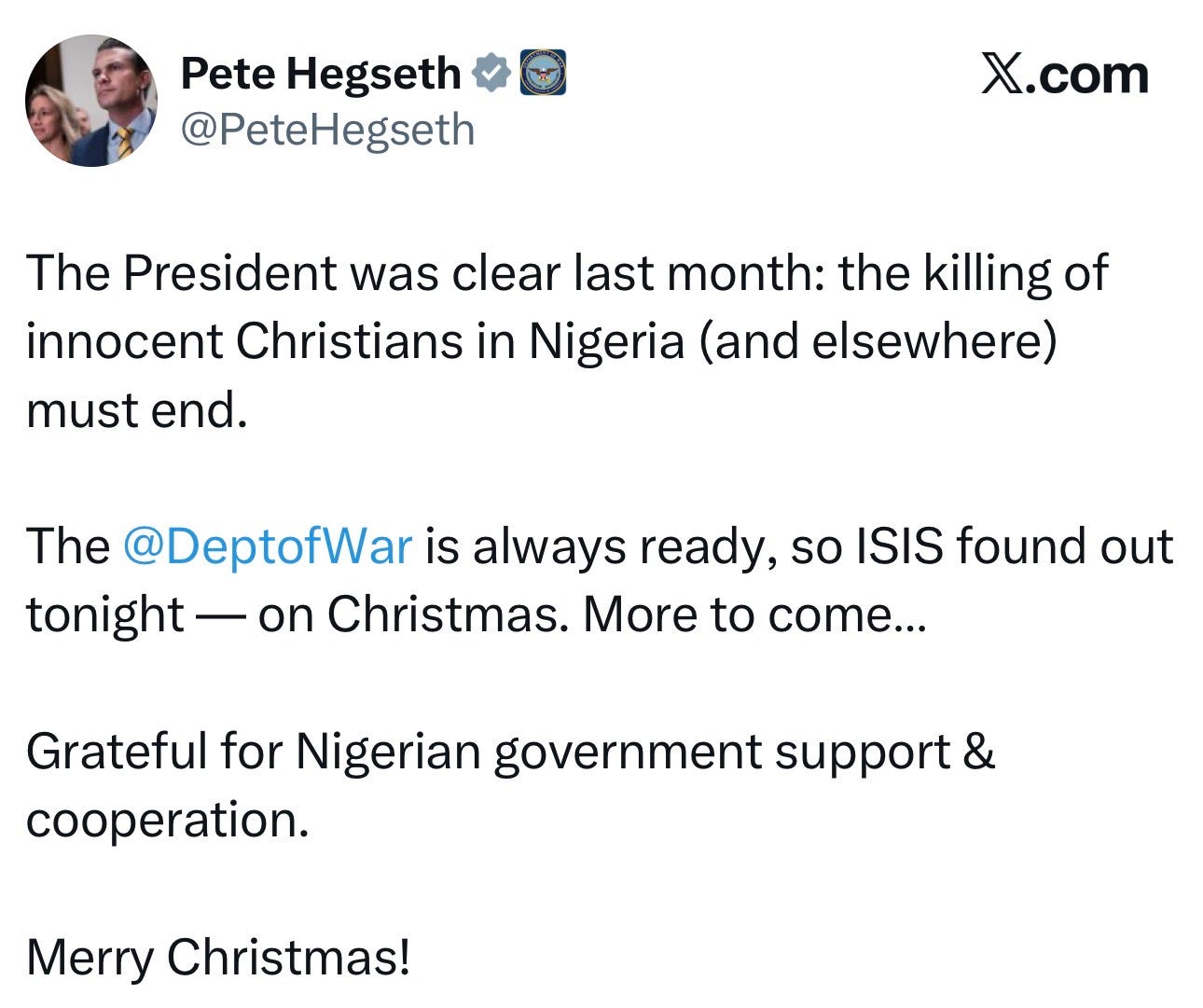
In an X post, Defense Secretary Pete Hegseth acknowledged the strikes and thanked the Nigerian government for its cooperation.
“The president was clear last month: the killing of innocent Christians in Nigeria (and elsewhere) must end,” he wrote.
“The @DeptofWar is always ready, so ISIS found out tonight—on Christmas. More to come… Grateful for Nigerian government support & cooperation.”
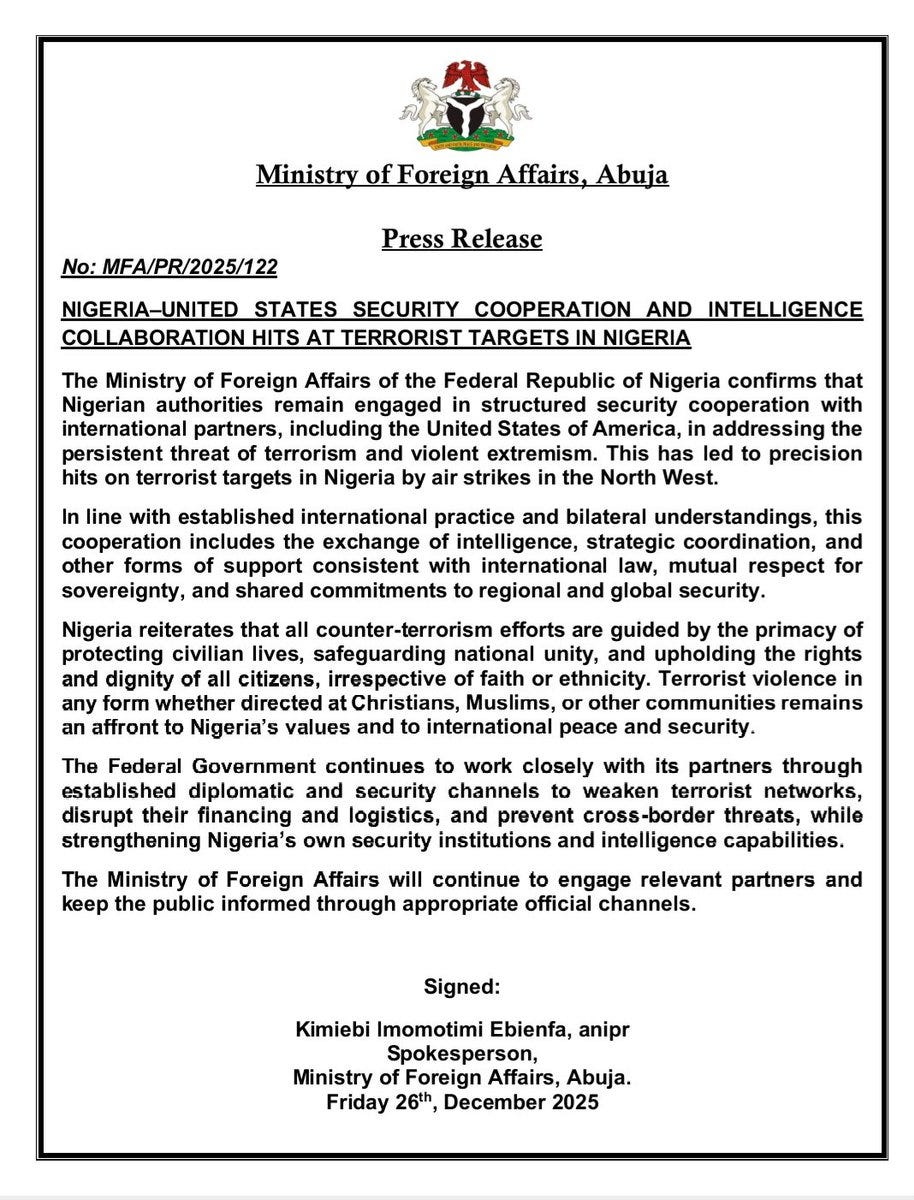
Nigeria’s Minister of Foreign Affairs said the country was given advance notice regarding the strikes.
“Nigerian authorities remain engaged in structured security cooperation with international partners, including the United States of America, in addressing the persistent threat of terrorist and violent extremism. This has led to precision hits on terrorist targets in Nigeria by airstrikes in the northwest,” the statement read.
“Terrorist violence in any form, whether directed at Christians, Muslims, or other communities, remains an affront to Nigeria’s values and to international peace and security.”
A previous report from The Introspective detailed President Trump preparing for “possible action” in Nigeria amid alleged persecution against Christians in the country.
Meanwhile, following conflicts between the United States, Iran, and Israel from June, Iran claimed it is now at war with the United States, Israel, and Europe.
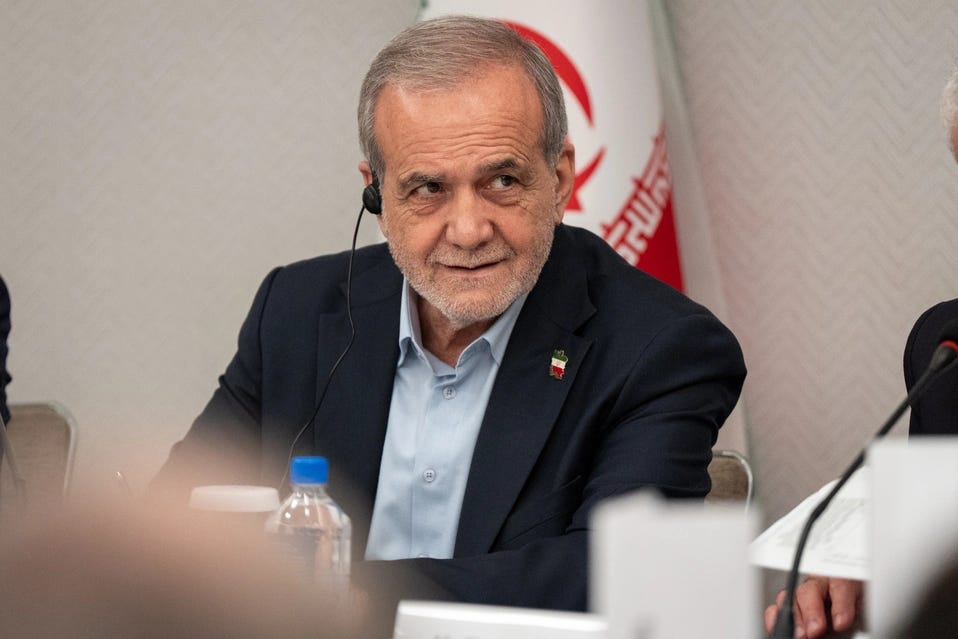
“In my opinion, we are in a full-fledged war with America, Israel, and Europe; they do not want our country to stand on its feet,” Iranian President Masoud Pezeshkian said in an interview on Iranian Supreme Leader Ayatollah Ali Khamenei’s website.
“Here, they are besieging us from every aspect, they are putting us in difficulty and constraint, creating problems—in terms of livelihood, culturally, politically, and security-wise—while raising society’s expectations,” he continued.
“On one side, they block our sales, our exchanges, our trade, and on the other side, expectations in society have risen. Consequently, we must all help with all our might to fix the country.”
FBI and Student Loans
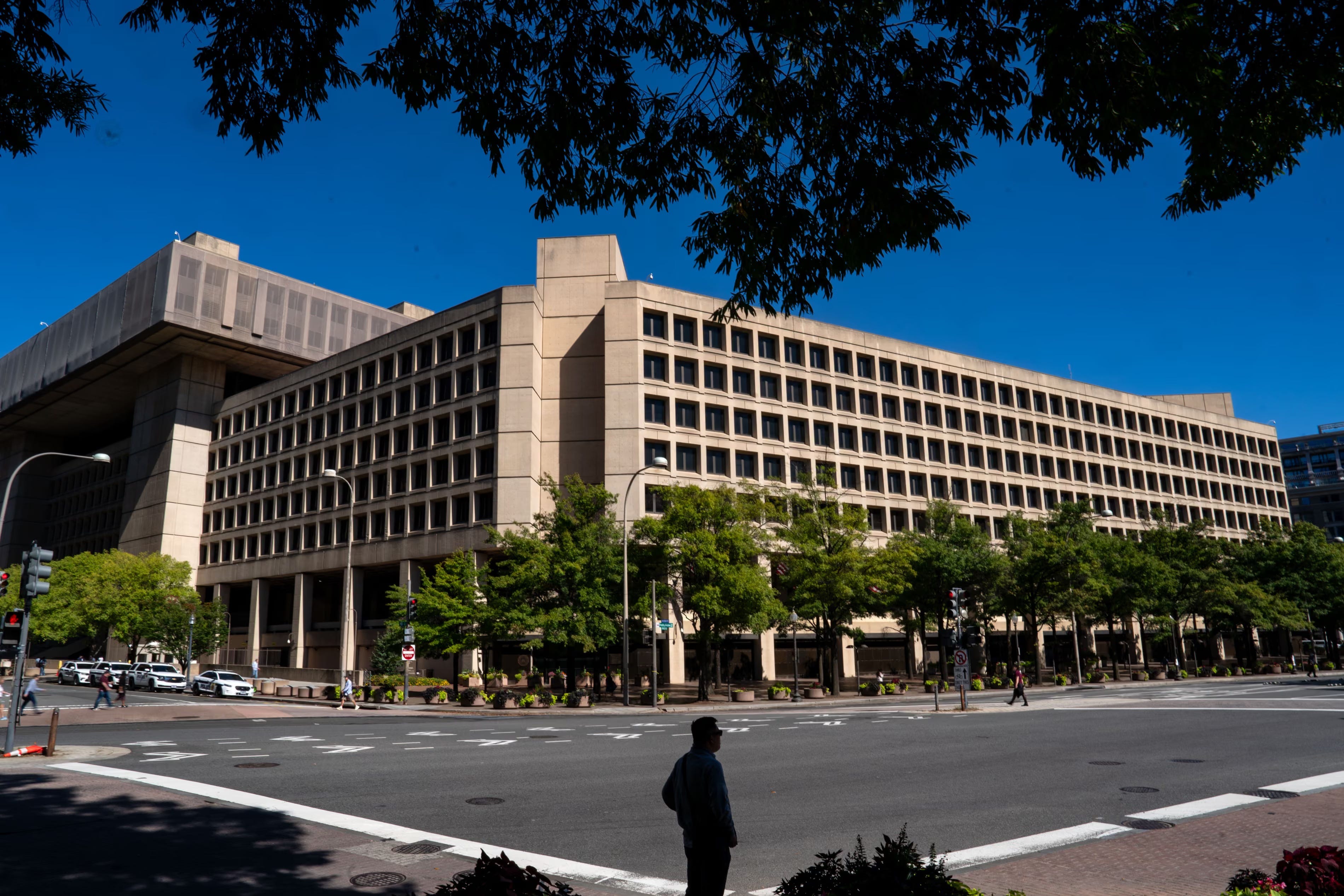
FBI Director Kash Patel announced that the agency’s long-time headquarters in Washington, D.C., will be closed, raising questions as operations are moved to other offices throughout the region.
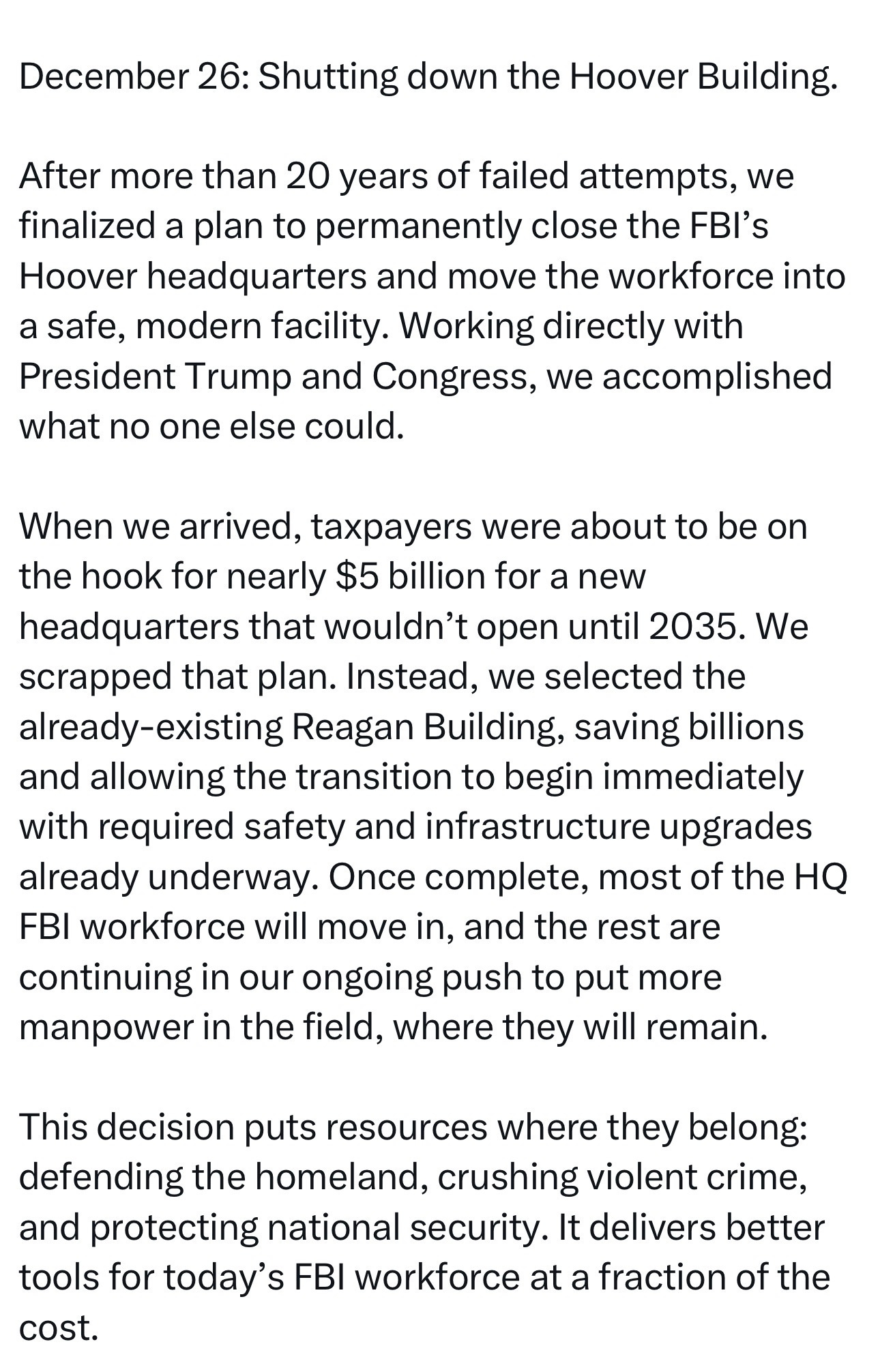
“After more than 20 years of failed attempts, we finalized a plan to permanently close the FBI’s Hoover headquarters and move the workforce into a safe, modern facility. Working directly with President Trump and Congress, we accomplished what no one else could,” Patel wrote on X.
“This decision puts resources where they belong: defending the homeland, crushing violent crime, and protecting national security. It delivers better tools for today’s FBI workforce at a fraction of the cost,” he added.
“The Hoover Building will be shut down permanently.”
The J. Edgar Hoover Building—designed in the 1960s—has faced criticism over the years for its design, with Hoover himself calling it “the greatest monstrosity ever constructed in the history of Washington.”
Maryland lawmakers, including Gov. Wes Moore, Sen. Angela Alsobrooks, and Reps. Glenn Ivey, Kweisi Mfume, Jamie Raskin, and Johnny Olszewski, criticized the proposed move in a July statement.
“Not only was this decision final, the Congress appropriated funds specifically for the purpose of the new, consolidated campus to be built in Maryland,” the statement read.
“Now the administration is attempting to redirect those funds—both undermining congressional intent and dealing a blow to the men and women of the FBI—since we know that a headquarters located within the District would not satisfy their security needs,” it continued.
“Simply moving down the street would ignore the real threats the Bureau faces and further jeopardize the safety of those protecting our communities. That’s why we will be fighting back against this proposal with every tool we have.”
At the same time, the Department of Education announced that student loan payments for borrowers in default will resume in early 2026.
“We expect the first notices to be sent to approximately 1,000 defaulted borrowers the week of Jan. 7, and the notices will increase in scale on a month-to-month basis,” the department said in a statement obtained by The Introspective.
This comes as economic uncertainty and the effects of the ongoing trade war continue.
 The Introspective
Leave a comment