
A racial slur shouted during the ceremony ignited discussion about intent, context, and how disability intersects with racial harm.
Dante Belcher
Feb 25, 2026
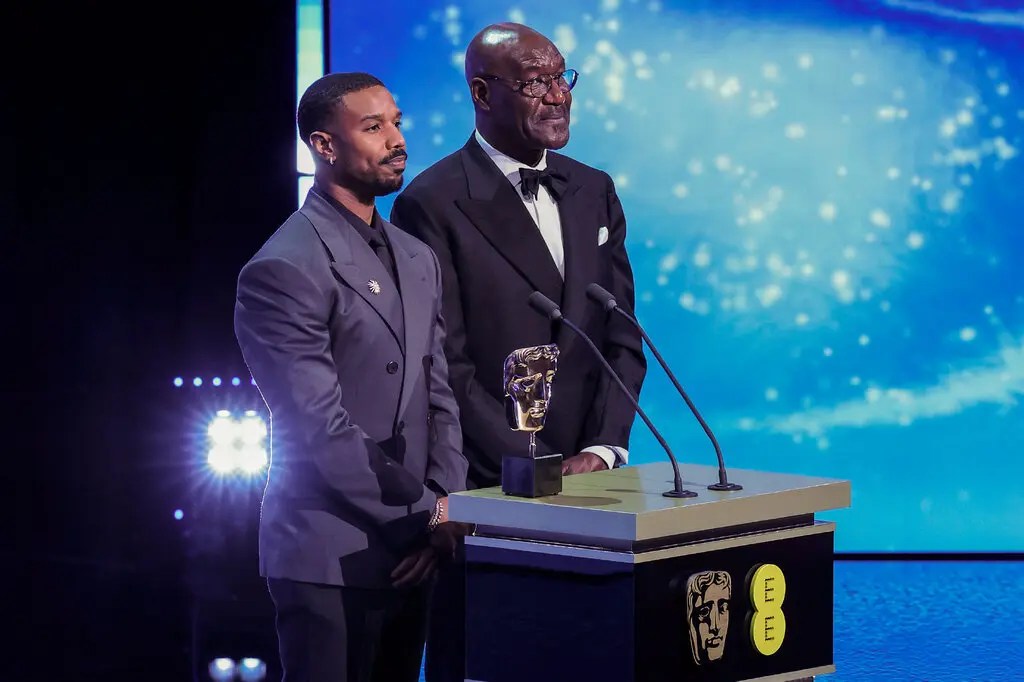
The British Academy Film Awards (BAFTAs) were met with controversy after John Davidson, a Tourette’s syndrome advocate—a condition that causes involuntary tics, including movements and vocalizations—called actors Michael B. Jordan and Delroy Lindo the n-word while they were presenting the award for Best Special Visual Effects.
“We apologize if you are offended tonight,” said host Alan Cumming, who did not directly acknowledge Davidson’s use of the slur during the award show.
The apology was criticized by Hannah Beachler, the production designer for Sinners and Black Panther, after revealing that Davidson also used a racial slur toward her throughout the night.
“I understand and deeply know why this is an impossible situation,” she wrote to X.
“I know we must handle this with grace and continue to push through. But what made the situation worse was the throwaway apology of ‘if you were offended.’”
Reactions from the BAFTA, Davidson, and the BBC
In a full statement obtained by The Introspective, the BAFTA apologized to Michael B. Jordan and Delroy Lindo, while acknowledging Davidson choosing to leave the ceremony after the slur and thanked him for his “dignity and consideration of others, on what should have been a night of celebration for him.”
“At the BAFTA Film Awards last night our guests heard very offensive language that carries incomparable trauma and pain for so many. We want to acknowledge the harm this has caused, address what happened and apologise to all,” read the statement.
“One of our guests, John Davidson MBE, has Tourette syndrome and has devoted his life to educating and campaigning for better understanding of this condition. Tourette syndrome causes involuntary verbal tics that the individual has no control over. Such tics are in no way a reflection of an individual’s beliefs and are not intentional. John Davidson is an executive producer of the BAFTA-nominated film I Swear, which is based on his life experience,” it continued.
“We take the duty of care to all our guests very seriously and start from a position of inclusion. We took measures to make those in attendance aware of the tics, announcing to the audience before the ceremony began, and throughout, that John was in the room and that they may hear strong language, involuntary noises or movements during the ceremony.”
“Early in the ceremony a loud tic in the form of a profoundly offensive term was heard by many people in the room. Michael B. Jordan and Delroy Lindo were on stage at the time, and we apologise unreservedly to them, and to all those impacted. We would like to thank Michael and Delroy for their incredible dignity and professionalism,” it added.
“During the ceremony, John chose to leave the auditorium and watch the rest of the ceremony from a screen, and we would like to thank him for his dignity and consideration of others, on what should have been a night of celebration for him,” it continued.
“We take full responsibility for putting our guests in a very difficult situation and we apologise to all. We will learn from this, and keep inclusion at the core of all we do, maintaining our belief in film and storytelling as a critical conduit for compassion and empathy.”
In a statement, Davidson said he was “mortified” after his outburst, while emphasizing his Tourette’s with coprolalia, which causes involuntary outbursts of obscene words—including slurs—while later apologizing to Lindo, Jordan, and Beachler.
“I appreciated the announcement to the auditorium in advance of the recording, warning everyone that my tics are involuntary and are not a reflection of my personal beliefs,” he said.
“I was heartened by the round of applause that followed this announcement and felt welcomed and understood in an environment that would normally be impossible for me.”
“In addition to the announcement by Alan Cumming, the BBC and BAFTA, I can only add that I am, and always have been deeply mortified if anyone considers my involuntary tics to be intentional or to carry any meaning,” he continued.
“I have spent my life trying to support and empower the Tourette’s community and to teach empathy, kindness and understanding from others and I will continue to do so. I chose to leave the auditorium early into the ceremony as I was aware of the distress my tics were causing.”
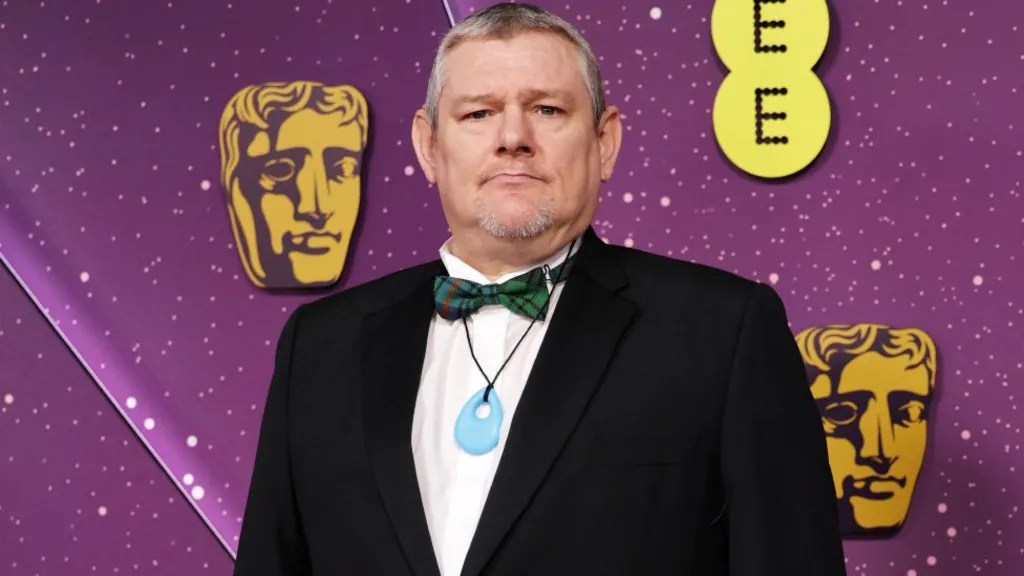
The BBC—which aired the program—apologized for not censoring the slur despite the awards being on a two-hour delay. The ceremony was later removed from the network’s streaming service.
“Some viewers may have heard strong and offensive language during the BAFTA Film Awards. This arose from involuntary verbal tics associated with Tourette syndrome, and as explained during the ceremony it was not intentional,” said the BBC.
“We apologise that this was not edited out prior to broadcast and it will now be removed from the version on BBC iPlayer.”
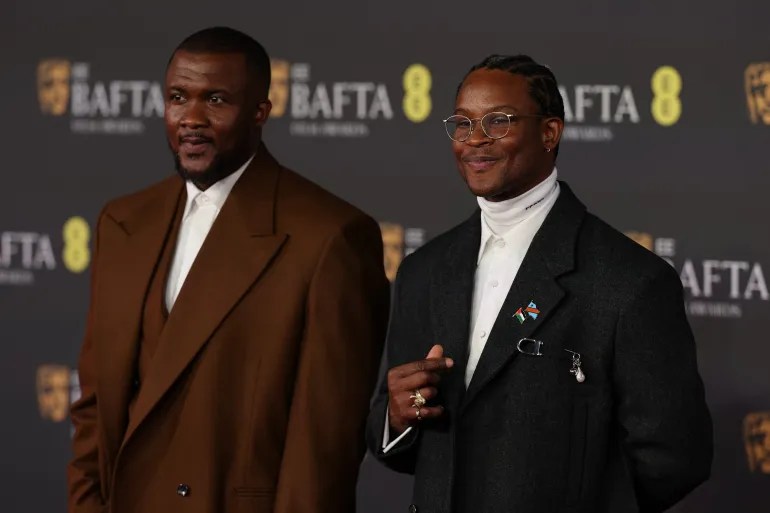
The BBC also faced controversy for editing out a speech by filmmaker Akinola Davies Jr., who said “Free Palestine” during his acceptance speech for Outstanding Debut by a British Writer, Director or Producer.
“To those watching at home, archive your loved ones, archive your stories yesterday, today and forever. For Nigeria, for London, Congo, Sudan, Free Palestine,” he said.
Reactions Across Media
Actor and musician Jamie Foxx commented under an Instagram post regarding the event, criticizing Davidson’s behavior at the ceremony.
“Nah he meant that shit,” he wrote.
“Unacceptable.”
Actor Wendell Pierce criticized the media’s reaction to the controversy, emphasizing how the severity of the n-word was being ignored.
“It’s infuriating that the first reaction wasn’t complete and full-throated apologies to Delroy Lindo and Michael B. Jordan,” he wrote to X.
“The insult to them takes priority. It doesn’t matter the reasoning for the racist slur.”
Journalist Jemele Hill emphasized the double standard in the media’s reaction, saying that “Black people are just supposed to be ok with being disrespected and dehumanized so that other people don’t feel bad.”
“Asking for more grace for the person who shouted a racist slur instead of for Michael B. Jordan and Delroy Lindo, who had to push through being embarrassed in front of their peers,” she wrote to X.
Clayton Davis, writer and editor with Variety, claimed that “the primary failure here rests with BAFTA and the BBC.”
“They still allowed the slur to air, unfiltered, and then let the moment circulate as a clip — stripped of context and primed for outrage,” he wrote.
“That decision poured gasoline on an already volatile situation.”
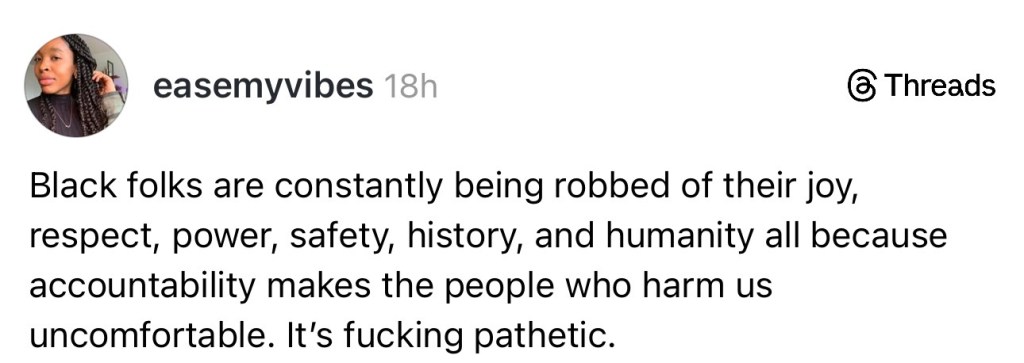
Many people expressed their frustration, further emphasizing the double standards Black people face while acknowledging Ryan Coogler—director of Sinners—becoming the first Black man to win Best Original Screenplay being overshadowed by the incident.
“Black folks are constantly being robbed of their joy, respect, power, safety, history, and humanity all because accountability makes the people who harm us uncomfortable,” wrote user @easemyvibes on Threads.
“It’s fucking pathetic.”
On X, user Ashley Stevens emphasized BAFTA and the BBC not censoring the slur despite the two-hour delay.
“Now that I know The BAFTA Awards had a had 2 hour delay to edit but chose not to, there’s really nothing more to say,” she wrote.
“They knew how those slurs was gonna be received globally and chose to air it anyway. That was intentional and deliberate maliciousness.”
Another user Michaela Makusha said that there needed to be “compassion for everyone involved,” acknowledging the ableism faced by Davidson since the ceremony.
“Tourettes is often characterised by making the individual say something extremely inappropriate whether they believe it or not,” she wrote.
“Michael B. Jordan and Delroy Lindo do deserve apologies but people need to wrap up the ableism and have compassion for everyone involved.”
 The Introspective
Leave a comment