
The week included a USPS immunity ruling, halted Medicaid payments, a deportation policy setback, and tensions with Cuba.
Dante Belcher
Feb 27, 2026
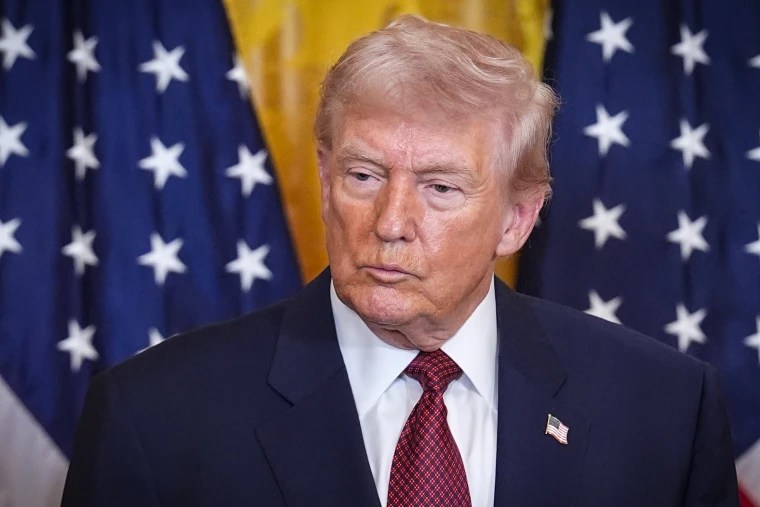
Trump’s 58th week brought updates to international tensions, halted payments and court rulings. This comes after Cuban forces exchanged gunfire with a U.S.-registered speedboat near its border, killing four people as tensions between Latin America and the U.S. grow. At the same time, the Trump administration halted payments to Minnesota over fraud allegations, raising implications following a previous report from The Introspective over allegations of fraud within the state’s Somali community as anti-immigrant sentiment continues.
The Supreme Court later ruled that the United States Postal Service (USPS) cannot be sued for intentionally not delivering mail. Meanwhile, following a previous The Introspective report detailing deportations to third-party countries—countries that are not the deportee’s nation of origin—a federal judge ruled the policy illegal.
Cuba and Medicaid
Four people were killed after Cuban forces exchanged gunfire with Cuban residents of the United States after a speedboat approached the island country’s borders.
“A violating speedboat was detected within Cuban territorial waters,” said Cuba’s Ministry of the Interior in a statement.
“The vessel, registered in Florida, United States, with registration number FL7726SH, approached up to 1 nautical mile northeast of the El Pino channel, in Cayo Falcones, Corralillo municipality, Villa Clara province.”

Six people were injured in the gunfire and were identified as Amijail Sánchez González, Leordan Enrique Cruz Gómez, Conrado Galindo Sariol, José Manuel Rodríguez Castelló, Cristian Ernesto Acosta Guevara and Roberto Azcorra Consuegra. Sánchez González and Cruz Gómez had prior criminal histories.
“Assault rifles, handguns, improvised explosive devices (Molotov cocktails), bulletproof vests, telescopic sights and camouflage uniforms were seized,” read a statement on X.
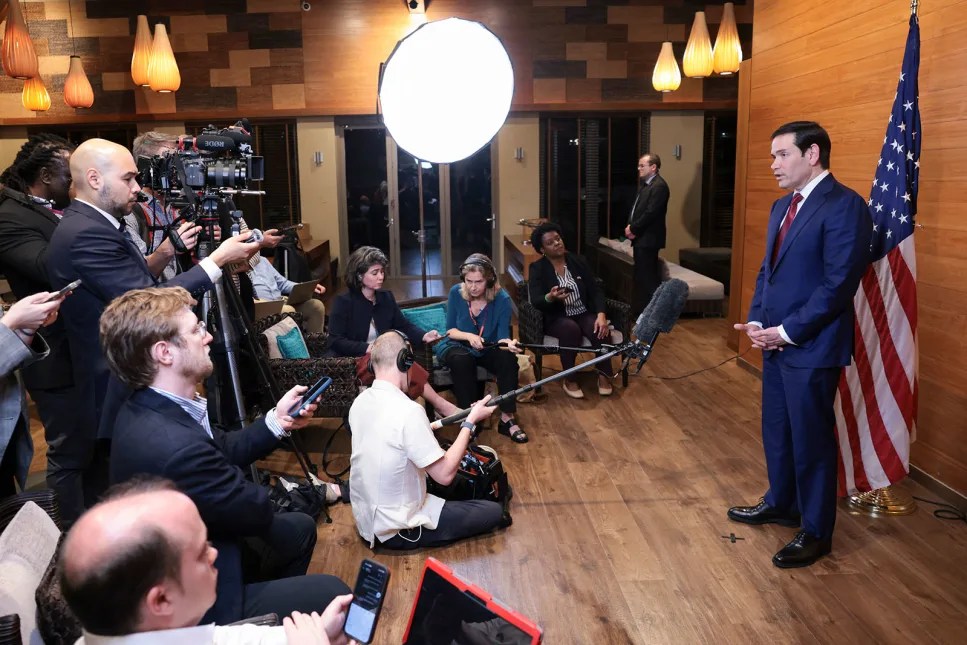
Secretary of State Marco Rubio said the U.S. would conduct an independent investigation into the incident.
“We’re going to find out exactly what happened here, and then we’ll respond accordingly,” he said during a press conference, calling it “highly unusual.”
“It’s not something that happens every day. It’s something, frankly, that hasn’t happened with Cuba in a very long time.”
Florida Attorney General James Uthmeier said on X that he directed state officials to conduct a separate investigation, claiming that “the Cuban government cannot be trusted.”
“We will do everything in our power to hold these communists accountable,” he wrote.
At the same time, as allegations of fraud continue in Minnesota, the Trump administration halted Medicaid payments to the state.
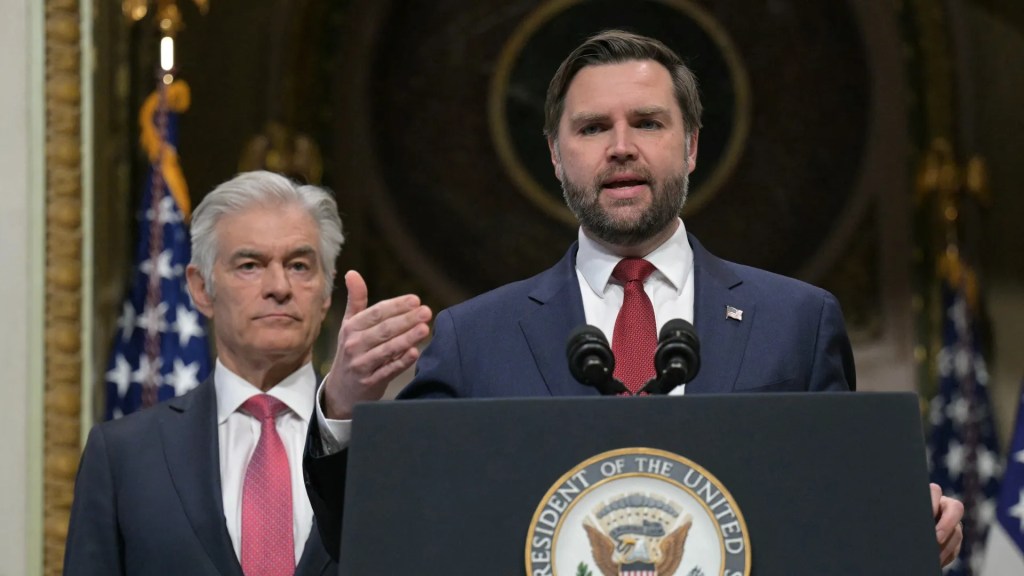
“We are stopping the federal payments that will go to the state government until the state government takes its obligations seriously to stop the fraud that’s being perpetrated against the American taxpayer,” said Vice President J.D. Vance.
Minnesota Gov. Tim Walz criticized the move in an X post, calling it a “campaign of retribution.”
“Trump is weaponizing the entirety of the federal government to punish blue states like Minnesota,” he wrote.
“These cuts will be devastating for veterans, families with young kids, folks with disabilities and working people across our state.”
Court Rulings
The Supreme Court ruled that the USPS cannot be sued, even when mail is intentionally not delivered.
“The United States enjoys sovereign immunity and cannot be sued without its consent,” wrote Justice Clarence Thomas, citing the Federal Tort Claims Act (FTCA), a 1946 law that allows people to sue federal employees for negligence and wrongful conduct.
“Specifically, the FTCA’s postal exception retains sovereign immunity for all claims ‘arising out of the loss, miscarriage, or negligent transmission of letters or postal matter,’” he continued.
“This case concerns whether this exception applies when postal workers intentionally fail to deliver the mail. We hold that it does.”

In a dissenting opinion, Justice Sonia Sotomayor said the postal exception was meant to cover negligence, not intentional misconduct.
“Today, the majority concludes that the postal exception captures, and therefore protects, the intentional nondelivery of mail, even when that nondelivery was driven by malicious reasons,” she wrote.
Meanwhile, following a previous Introspective report detailing deportations to third-party countries—countries that are not the deportee’s nation of origin—a federal judge ruled the policy illegal.
“This case is about whether the Government may, without notice, deport a person to the wrong country, or a country where he is likely to be persecuted, or tortured, thereby depriving that person of the opportunity to seek protections to which he would be undisputedly entitled,” wrote U.S. District Judge Brian Murphy while giving the Trump administration time to appeal.
“Congress made it ‘the policy of the United States not to expel, extradite, or otherwise effect the involuntary return of any person to a country’ where that ‘person would be in danger of being subjected to torture,’” he continued, referring to the Immigration and Nationality Act and the United Nations Convention Against Torture.
“Congress decided that the Government ‘may not remove’ someone to a country where her ‘life or freedom would be threatened.’”
In a statement obtained by The Introspective, the Department of Homeland Security (DHS) criticized the ruling.
“The Supreme Court previously issued two separate emergency stays against Judge Brian Murphy in this case, and we are confident we will be vindicated again,” said the agency, adding that the administration “has the constitutional authority to remove these criminal illegal aliens and clean up this national security nightmare.”
“DHS must be allowed to execute its lawful authority and remove illegal aliens to a country willing to accept them.”
This comes after many undocumented immigrants were deported to various African countries, including South Sudan.
 The Introspective
Leave a comment