
Nationwide power collapse compounds fuel shortages and economic strain under continued blockade pressures.
Dante Belcher
Mar 17, 2026
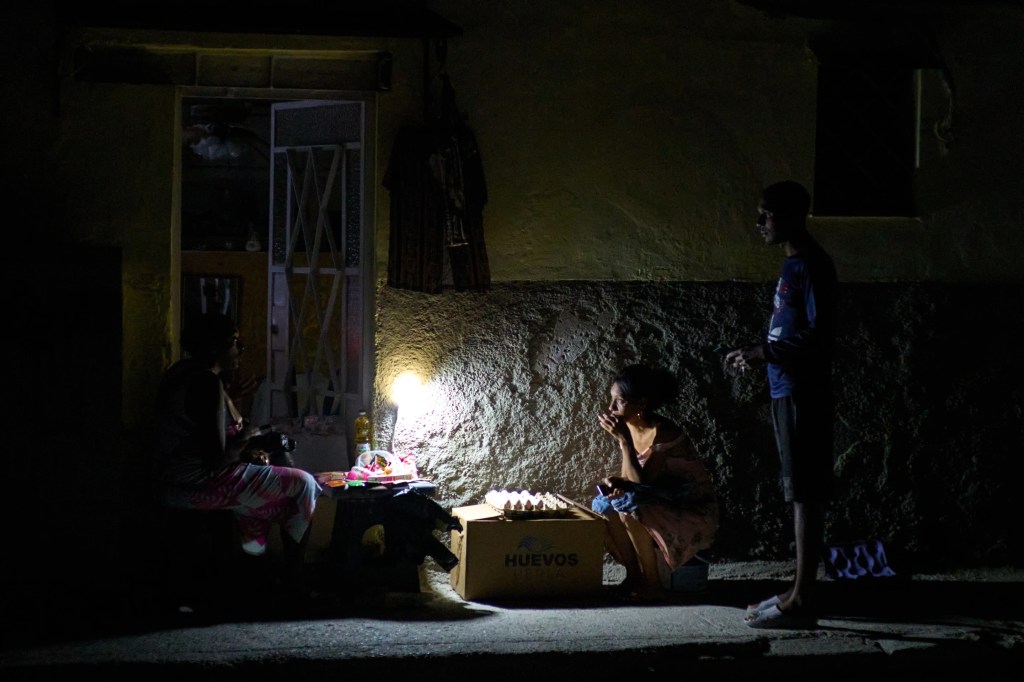
Cuba’s power grid collapsed on Monday, leaving millions without electricity as an oil blockade imposed by the U.S. continues.
“Beyond the physical exhaustion, it’s the psychological exhaustion that weighs down on us,” said Erisander Sánchez, a resident of Havana, to NBC News.
“It’s the uncertainty of not knowing when we will have power … you can’t plan anything.”
This comes amid continued tensions with Latin America following a previous report from The Introspective detailing the United States capturing Venezuelan President Nicolás Maduro—an ally of Cuba—to face drug and weapons charges in New York.
Blockade and Fuel Shortages
The oil blockade comes amid a long-standing embargo barring the U.S. from operating commerce in Cuba since 1960, raising implications as Monday’s outage marked Cuba’s third in recent months due to aging Soviet-era infrastructure.
“Officials in the U.S. [government] must be feeling very happy by the harm caused to every Cuban family,” said Cuban Deputy Foreign Minister Carlos Fernández de Cossío.
Cuban President Miguel Díaz-Canel previously said that no oil had been delivered to the country since December, adding that officials held talks with the United States to “identify the bilateral problems that need a solution.”
“The impact is tremendous. It is most brutally manifested in these energy issues,” he said.
“This causes anguish among the population.”
He later said that Cuba “isn’t to blame” for the problems faced by the nation, blaming the United States.
“The government isn’t to blame, the revolution isn’t to blame, our national electromagnetic system isn’t to blame,” he added, referring to the Cuban Revolution of 1959.
“The blame lies with the energy blockade that has been imposed on us.”
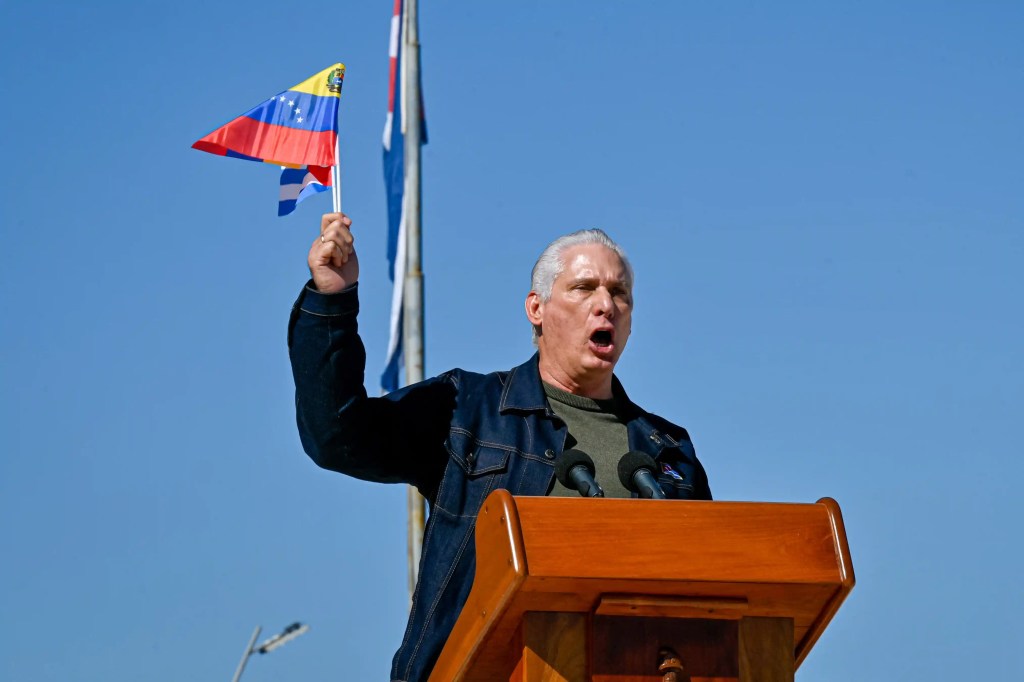
President Trump said on Monday that he’ll have the “honor” of “taking” Cuba.
“I think Cuba is seeing the end,” said Trump.
“They’re a very weakened nation right now.”
The government has since reduced school hours, postponed sports and cultural events, and cut public transportation services as the blockade continues.
UN Response and Protests
The United Nations condemned the blockade against Cuba, calling it “a serious violation of international law and a grave threat to a democratic and equitable international order.”
“It is an extreme form of unilateral economic coercion with extraterritorial effects, through which the United States seeks to exert coercion on the sovereign state of Cuba and compel other sovereign third states to alter their lawful commercial relations, under threat of punitive trade measures,” said the U.N.
The agency later said the oil blockade “lacks credibility” and claimed it is “designed to justify the use of extraordinary and coercive powers.”
“In the absence of authorization from the United Nations Security Council, the executive order has no basis in collective security and constitutes a unilateral act that is incompatible with international law,” the U.N. added.
“There is no right under international law to impose economic penalties on third states for engaging in lawful trade with another sovereign country.”
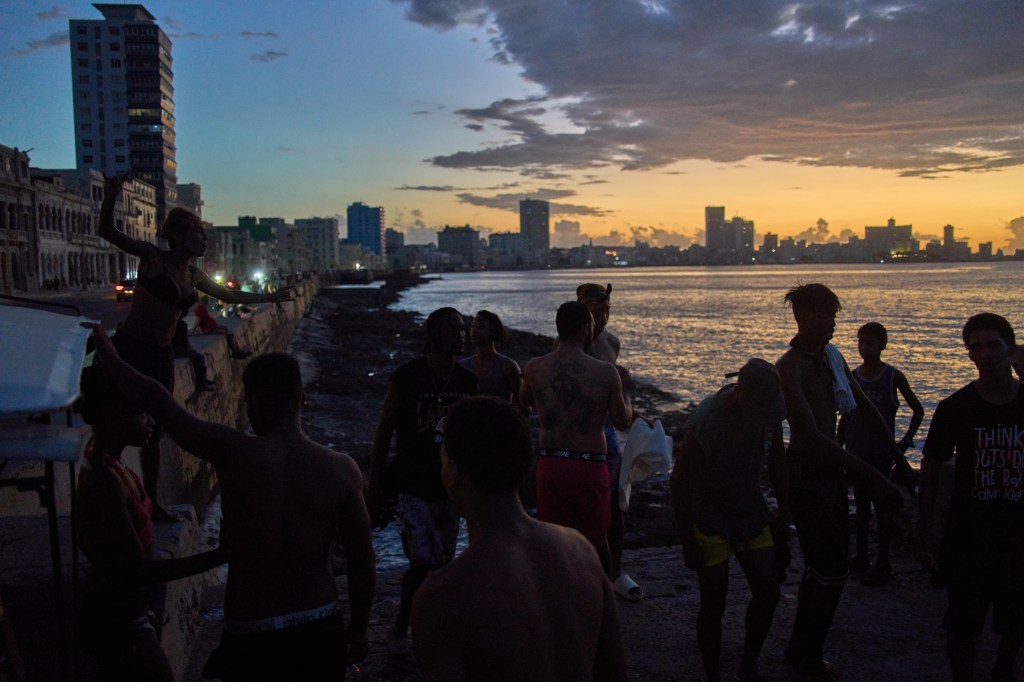
A previous report from The Introspective detailed a January executive order signed by Trump declaring that the “policies, practices, and actions of the Government of Cuba constitute an unusual and extraordinary threat,” raising implications amid the ongoing trade war.
“The Government of Cuba has taken extraordinary actions that harm and threaten the United States. The regime aligns itself with—and provides support for—numerous hostile countries, transnational terrorist groups, and malign actors adverse to the United States, including the Government of the Russian Federation, the People’s Republic of China, the Government of Iran, Hamas and Hezbollah,” the order read.
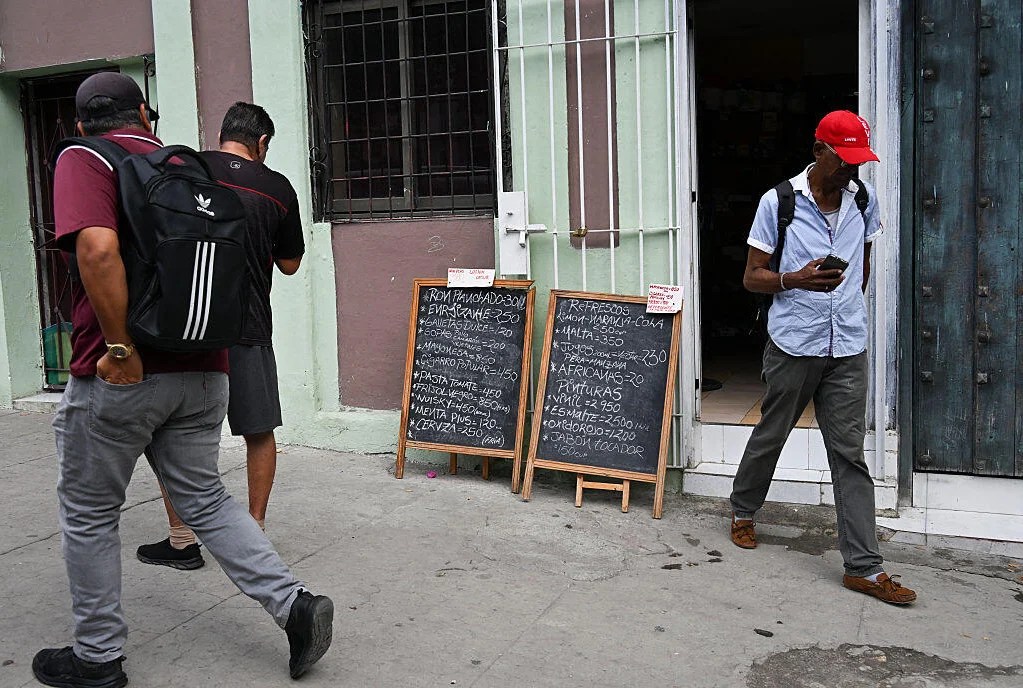
Protests formed in cities such as Havana and Matanzas, with videos shared on Facebook showing people banging pots and pans in the streets.
“To repress people you need an active military, fuel and money … nobody wants to be a soldier anymore; it comes with a high social price…everyone is against you and they pay you badly,” said a resident in Havana to Latin America Reports, referring to Cuba’s inability to suppress the demonstrations.
 The Introspective
Leave a comment