
The week included a U.S.-Iran ceasefire, the end of protections for transgender students, and automatic draft registration starting in December.
Dante Belcher
Apr 10, 2026
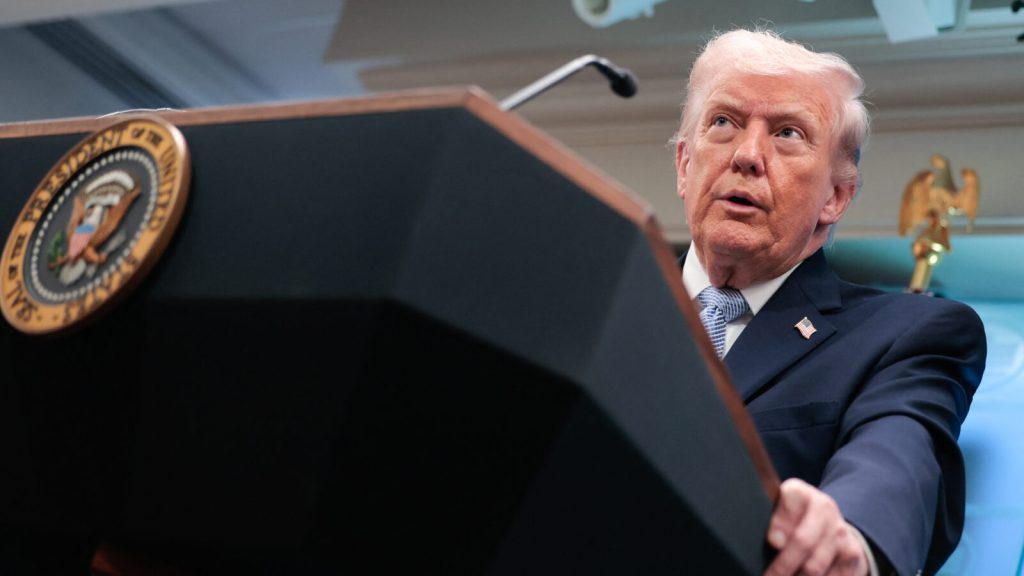
Trump’s 64th week brought updates on Iran, the military draft, LGBTQ rights and lawsuits. The U.S. and Iran agreed to a two-week ceasefire; however, it remains fragile after Israel launched airstrikes in Lebanon, raising implications as a regional war continues. At the same time, eligible men will automatically be registered for the military draft by December.
Following a previous report from The Introspective detailing the Supreme Court ruling against Colorado’s ban on conversion therapy, the Trump administration ended Title IX protections for transgender students in schools. Meanwhile, historians sued the Trump administration, accusing the president of ignoring the Presidential Records Act—a 1978 law that declares all presidential records are to be archived for eventual public release.
Iran and Military
The U.S. and Iran agreed to a ceasefire on Tuesday, hours after Trump threatened that “a whole civilization will die tonight” if a deal wasn’t reached.
“Based on conversations with Prime Minister Shehbaz Sharif and Field Marshal Asim Munir, of Pakistan, and wherein they requested that I hold off the destructive force being sent tonight to Iran, and subject to the Islamic Republic of Iran agreeing to the COMPLETE, IMMEDIATE and SAFE OPENING of the Strait of Hormuz,” he wrote on Truth Social.
“I agree to suspend the bombing and attack of Iran for a period of two weeks. This will be a double-sided CEASEFIRE! The reason for doing so is that we have already met and exceeded all Military objectives, and are very far along with a definitive Agreement concerning Longterm PEACE with Iran, and PEACE in the Middle East.”
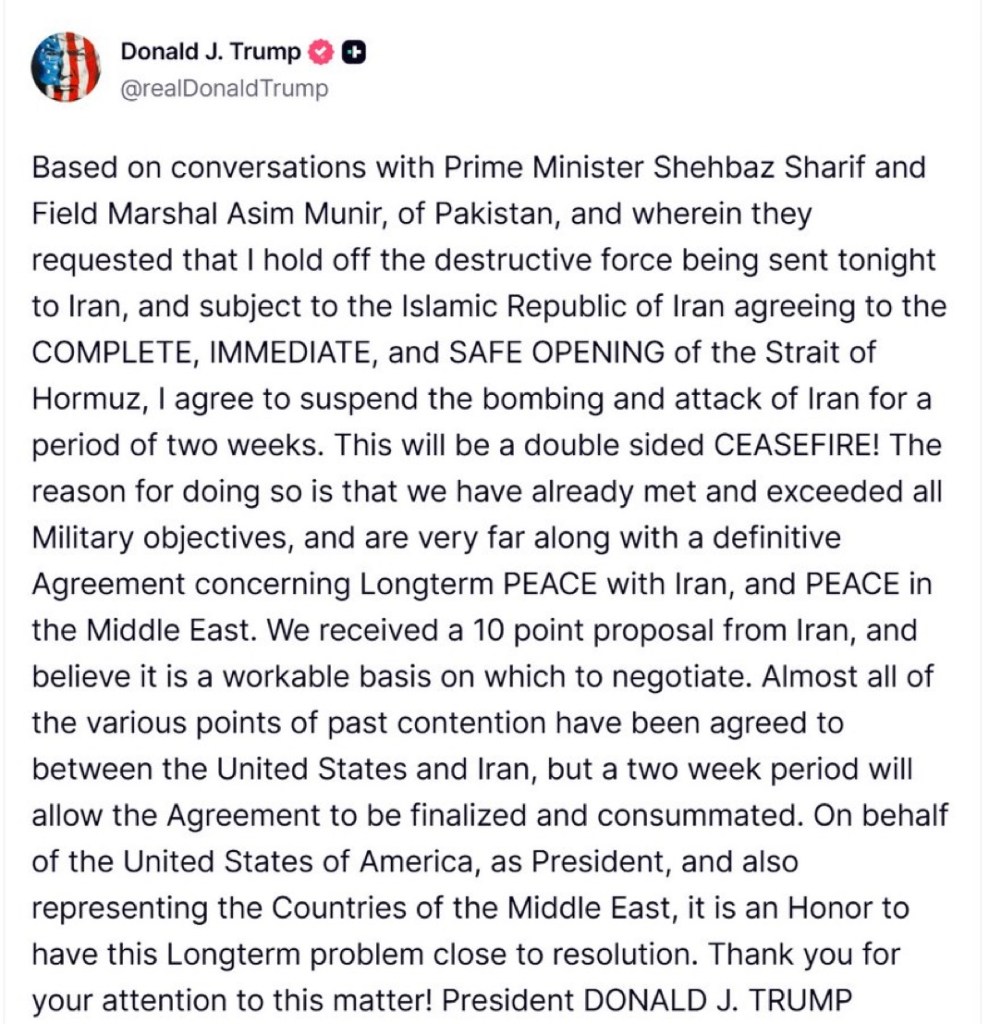
Iran’s Supreme National Security Council later acknowledged the ceasefire agreement, saying that “nearly all war objectives have been achieved.”
In a statement obtained by The Introspective, a 10-point plan submitted by Iran included some of the following:
“Controlled passage through the Strait of Hormuz coordinated with Iran’s armed forces,” the plan read.
“The necessity of ending the war against all components of the resistance axis,” the plan continued, referring to the Hezbollah group.
“Withdrawal of U.S. combat forces from all bases and positions in the region.”
“Establishment of a secure transit protocol in the Strait of Hormuz, ensuring Iran’s control under the agreed framework,” it continued.
“Full compensation for damages to Iran.”
“Removal of all primary and secondary sanctions and relevant resolutions of the Board of Governors and the U.N. Security Council,” it added.
“Release of all frozen Iranian assets abroad.”
“The adoption of all these provisions in a binding U.N. Security Council resolution,” it added.
White House Press Secretary Karoline Leavitt dismissed the plan as “fundamentally unserious, unacceptable,” adding that the plan was “completely discarded” by the administration.
“It was literally thrown in the garbage by President Trump and his negotiating team,” she said.
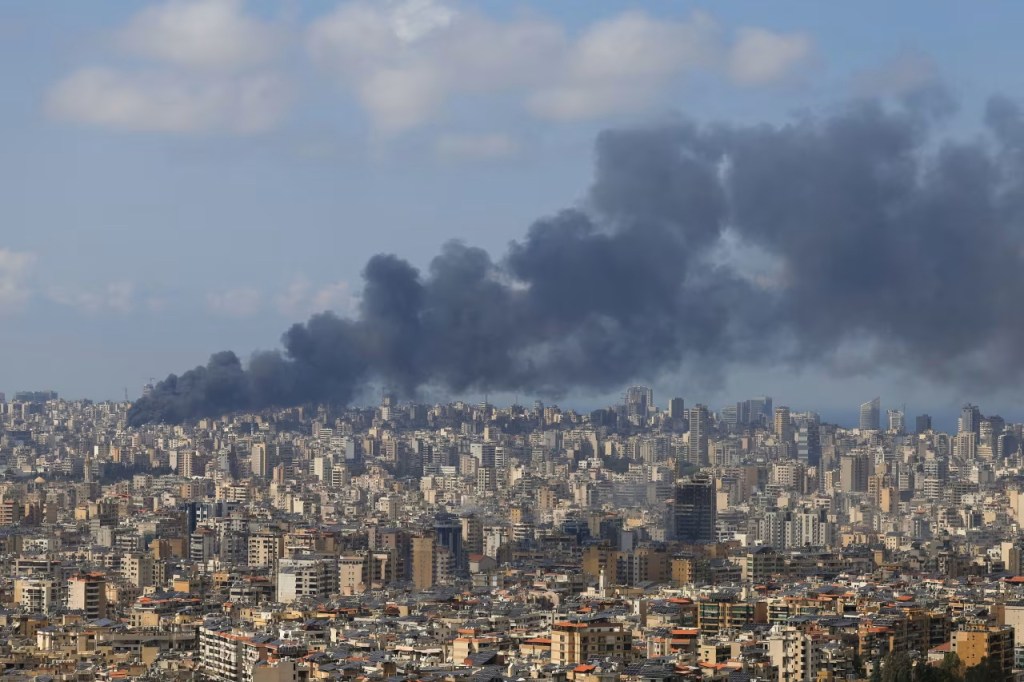
However, tensions continue in the region after Israel launched strikes in Lebanon on Wednesday, including a ground invasion in the southern region of the country. Lebanese Prime Minister Nawaf Salam said the country will “urgently file a complaint with the United Nations Security Council regarding the escalation of Israeli attacks on Lebanon and their expansion yesterday.”
“This escalation runs counter to all international and regional efforts to stop the war in the region, blatantly violates the principles of international law and international humanitarian law, and goes even further in breaching them,” he wrote on X.
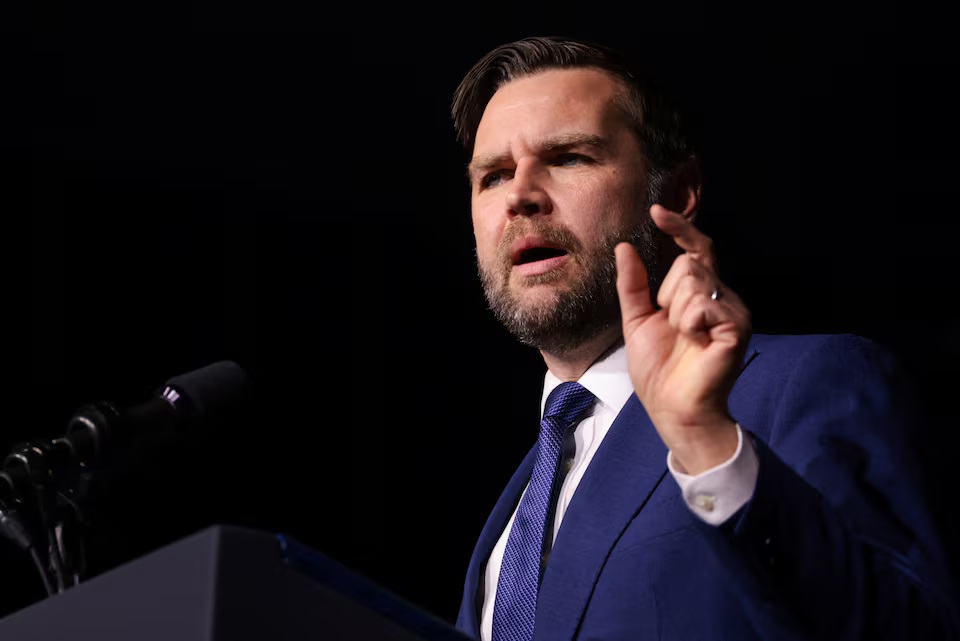
Ahead of a meeting with Iran on Saturday, Vice President J.D. Vance said that Lebanon was not a part of the ceasefire deal.
“I think this comes from a legitimate misunderstanding. I think the Iranians thought that the ceasefire included Lebanon, and it just didn’t,” he said, adding that Israel agreed to show restraint in Lebanon.
“The Israelis, as I understand it, have actually offered to, frankly, to check themselves a little bit in Lebanon, because they want to make sure that our negotiation is successful,” he added.
Iran has since reclosed the Strait of Hormuz following the strikes on Lebanon.
Meanwhile, the Selective Service System (SSS)—the agency that maintains a database of men to be enlisted during national emergencies—announced that eligible men will automatically be registered into the draft pool by December.
Trans Rights and Lawsuit
Following a previous report from The Introspective detailing the Supreme Court ruling against Colorado’s ban on conversion therapy, the Trump administration ended Title IX—a 1972 law that prohibits sex-based discrimination in education—protections for transgender students in schools.
“Today, the Trump administration is removing the unnecessary and unlawful burdens that prior administrations imposed on schools in its relentless pursuit of a radical transgender agenda,” said Assistant Secretary for Civil Rights Kimberly Richey in a press release, using transphobic language.
“While previous administrations launched Title IX investigations based on ‘misgendering,’ the Trump administration is investigating allegations of girls and women being injured by men on their sports team or feeling violated by men in their intimate spaces.”
This comes after the former Biden and Obama administrations interpreted Title IX to include protections for gay, bisexual and transgender students.

At the same time, the American Historical Association—the world’s largest association of historians—filed a lawsuit against the Trump administration over the president keeping his official records instead of submitting them to the National Archives.
“This case is about the preservation of records that document our nation’s history, and whether the American people are able to access and learn from that history,” read the lawsuit, calling the case an attempt to “preserve the historical record that belongs to the American people, before it is forever lost.”
“Yet the stakes of this case are even greater. The Executive Branch has declared the power to override the legal determinations of the U.S. Supreme Court, in order to override the laws passed by Congress to preserve and provide public access to official records of the President’s activities.”
The Presidential Records Act, enacted after the Watergate scandal, mandates that all presidential records belong to the federal government and must be submitted to the National Archives and Records Administration at the end of an administration.
 The Introspective
Leave a comment