
Exploring the Impact of Gentrification on Communities, Housing, and Cultural Identity.
Dante Belcher
Oct 18, 2024
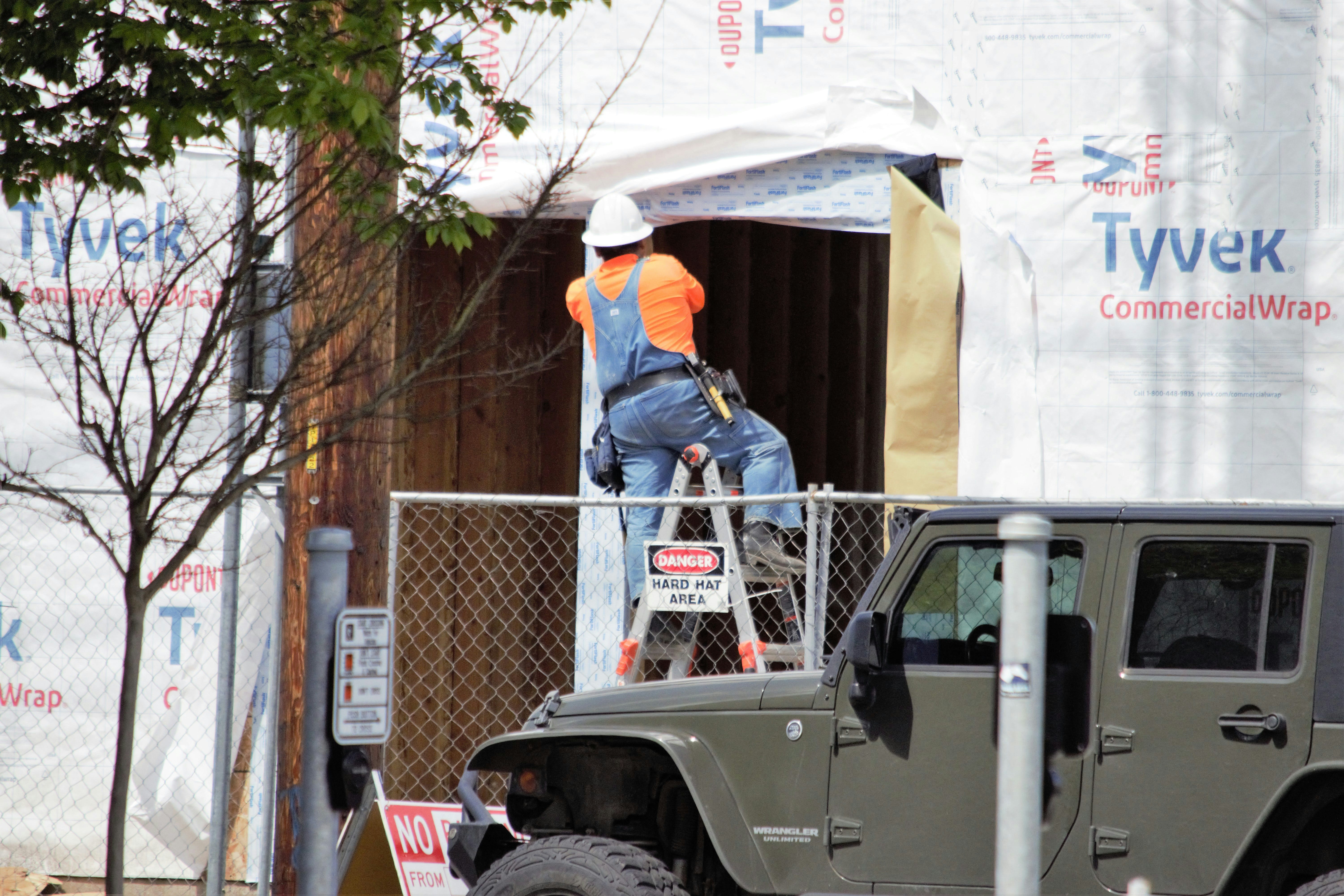
Things Change Right?
Gentrification has been a hot topic in urban development and planning for decades. It involves the process of changing an urban area to attract wealthier residents by improving housing, businesses, and the eventual displacement of current residents due to the rising standard of living.
The term “gentrification” was coined in 1964 by sociologist Ruth Glass to describe the displacement of working-class communities in London, in favor of affluent residents moving in. Following deindustrialization in the mid-1960’s, developers in the U.S. viewed former industrial areas as business opportunities.
Gentrification, however, has been controversial for displacing working-class residents, predominantly affecting Black and Latino communities. Many cities with large Black populations, such as Washington, D.C., Detroit, New York City, San Francisco, and Atlanta, have seen Black communities displaced due to an influx of wealthier residents and rising rents.
As affordable housing becomes increasingly important, there must still be room to address and warn about the impacts of gentrification.
History of Gentrification
In the U.S., gentrification ramped up in most cities in the 1990s and 2000s, with a prominent example being the nation’s capital, Washington, D.C.
Formerly known as the “Chocolate City” due to its historically prominent Black population and its status as the first majority Black major city, D.C. went from having a 70% Black majority in 1970 to 40% in 2020, earning its status as one of the most gentrified cities in the country.
Studies from The Washington Post revealed that 40% of Washington’s lower-income neighborhoods experienced gentrification between 2000 and 2013. The research also found that more than 20,000 Black residents were displaced during that time, with more affluent and predominantly white residents moving in.
“You feel it and you see it, It’s the visibility and the pace of it,” said Jesse Van Tol, chief executive of the National Community Reinvestment Coalition (NCRC) in an interview.
Atlanta is another city undergoing change from gentrification, is known as the “Black Mecca” because of its historically significant Black population. It has lost 19% of its Black population since 1990. For Atlanta, gentrification increased following the foreclosure crisis in the late 2000s. Home values increased by over 35%, with the largest increases in the south and west sides of the city.
The same study has identified Atlanta as the fourth fastest-gentrifying US city from 1990 to 2014, behind Washington D.C, Portland, and Seattle.
San Francisco has a history of being a West Coast hub for Black residents, with its 1970 population accounting for 96,000 Black residents. The Black population declined to 45,000 in 2020 — just 5% of the population.
The city’s Fillmore District was known up until the 1970’s as the “Harlem of the West” and featured a booming jazz scene that brought performers such as Louis Armstrong. Fillmore had a 60% Black population by the 1970s; however, urban renewal policies targeting majority-minority and low-income neighborhoods evicted Black residents for highway construction and destroyed neighborhood landmarks such as jazz clubs, eventually raising home prices. By 2020, there were only 6,000 Black residents – making up 12% of the population.
Impact of Gentrification
Research has found that while gentrification brings more development, economic investment, and amenities, it becomes problematic when original residents are displaced through increasing property prices or coercion.
Studies from Harvard University estimate that the U.S. housing market is short by more than 4 million homes, with a shortage of 7 million affordable homes. The lack of affordable housing leads to a rise in evictions, as there were more than 430,000 evictions in 2021. Twenty-seven percent of residents were able to avoid eviction due to emergency rental support in majority-Black neighborhoods.
National trends show that more than 110,000 Black residents and 24,000 Hispanic residents were displaced between 2000 and 2013 due to gentrification.
Displacement has serious consequences for those impacted. Homelessness increases, especially when alternative housing is unavailable, or residents are unable to move to less expensive areas. Displacement due to gentrification increases the mortality of the elderly and those who are disabled.
Studies from the CDC, reveal that food insecurity is increased along with the risk of diabetes, cardiovascular disease, and cancer increasing. Increased depression, anxiety, and post-traumatic stress disorder (PTSD) has also been associated with displacement.
The effects of gentrification impact community anchors such as neighbors, festivals, and small businesses, contributing to the loss of local culture in the area due to the displacement of original residents.
Policy and Solutions
Research from the National Low Income Housing Coalition (NLIHC) found that rent control —offering protections from sudden rent increases — sets a cap on how much a landlord can charge for rent.
New York State has one of the strongest rent control policies in the nation. As of 2019, 45% of apartments in the state are rent-stabilized. The Emergency Tenant Protection Act (ETPA) of 1974 outlined the details of rent control and gave eight counties the opportunity to participate voluntarily.
In Los Angeles, community leaders and organizers spoke out against the North Westlake Design District, a community master plan aimed at revitalizing the city’s Filipinotown neighborhood. The initial lack of plans for affordable housing in the new development drew fears of displacement among existing business owners and residents. Activists were able to successfully push for a new plan that would include affordable housing and the ability to work with developers and local businesses to promote the cultural history of Filipinotown.
However, a 2018 study from the Urban Displacement Project found that Los Angeles had one of the highest rates of gentrification in the country, with 10% being classified as either being at risk of gentrification, early/ongoing gentrification, or advanced gentrification. Five percent of Los Angeles were experiencing ongoing displacement of low-income households.
 The Introspective
Leave a comment