
How the Revival of Unions is Shaping the Future of Workers’ Rights and Workplace Dynamics.
Dante Belcher
Aug 28, 2024
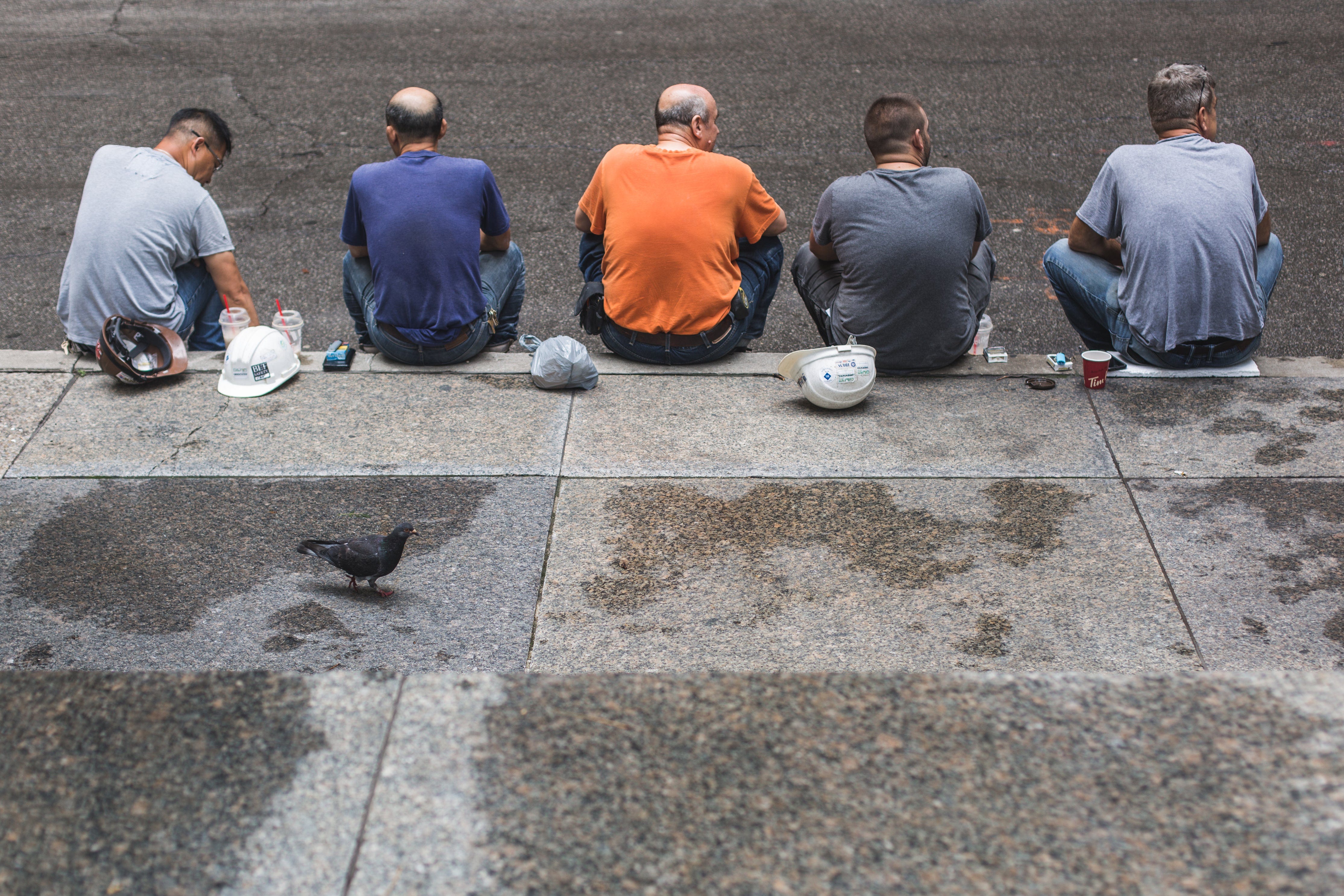
The American labor movement has experienced a significant revival in the 2020s, with the past year witnessing notable strikes across the U.S, including the Hollywood double strike between the Writers Guild of America and SAG-AFTRA (Screen Actors Guild – American Federation of Television and Radio Artists), becoming the first time since 1960 that both unions were striking simultaneously.
A study from the American Constitution Society (ACS) shows that 55% of Americans have a positive view on labor unions, with Millennials and Gen Z being more pro-union than previous generations, with Gen Z being the most pro-union generation.
Studies have also shown that union membership has been instrumental in closing the racial wage gap, narrowing the wage disparities between white households and households consisting of Black and other People of color. Woman who are represented by unions earn higher wages up to 9.5% than non-unionized women. States that have high union membership have been shown to have proper paid medical and family leave laws, lower rated of uninsured people and less restrictive voting laws.
But to understand the resurgence of the American union, let’s dive into the history.
History of Unions in the U.S.
The first known instance of a worker strike was in 1768 when journeymen tailors protested a wage reduction. 26 years later in 1794, Shoemakers in Philadelphia formed the Federal Society of Journeymen Cordwainers. This marked the first union to ever be established in the United States. Being excluded from labor unions, Black workers in the shipbuilding industry organized their own strike at Washington D. C’s Navy Yard in 1835. The National Union for Cigar Makers became the first union to accept women and Black workers in 1867.
Despite the early wins, many labor strikes became violent and were often sought out to be suppressed. In 1894, over 250,000 railroad workers in Chicago organized a strike to protest wages and poor treatment, however federal troops were sent to prevent strikers from disrupting the trains. 70 people were killed, and the American Railway Union was dissolved following its leaders being arrested for organizing the strike.
History was repeated in 1914 when coal miners in Colorado created a tent city to protest poor working conditions and child labor. The Colorado National Guard and federal troops clashed with the miners, leading up to 200 people being killed. The strike ended in December of 1914 with no concessions to the workers.
Following the Great Depression, support for unions received more government support than before, with President Franklin D. Roosevelt passing the National Labor Relations Act, which gave workers to organize and strike and the Fair Labor Standards Act which set precedents by guaranteeing a minimum wage, the 40-hour work week, and the end of child labor, a win for many organizers. Federal workers would later be allowed to create unions following executive orders from John F. Kennedy and Richard Nixon.
Despite an erosion of workers’ rights throughout the 1970’s and 80’s, unions continued to show their importance in the social and political sphere.
Recent Resurgence
From the Hollywood strike to the United Auto Workers (UAW), to the Apple Store, there has been a resurgence of union and labor activities since the pandemic. Research from the Economic Policy Institute (EPI) shows that the number of workers involved in strikes—459,000—was four times higher in the past year than before the pandemic.
A Gallup poll found that 71% of Americans in 2022 supported unions, up 65% from before the pandemic. Studies from American Federation of Labor and Congress of Industrial Organizations (AFL-CIO) found that 88% of Americans under 30 have a positive view of unions, which has helped win victories at Amazon, where a New York warehouse of over 8,000 workers successfully unionized, and Apple, whose location in the Baltimore suburb of Towson, Maryland became the first Apple retail location to unionize.
Unionizing efforts in recent years have been shown to lead to significant shifts across various industries. During the UAW strike in Detroit last fall, workers won raises of 25% over four years and starting pay rising 68% to match the cost of living, following the six-week strike against General Motors, Ford, and Stellantis.
The 2023 Hollywood strikes focused on the strikes of the Writers Guild of America and SAG-AFTRA over lack on compensation from streaming services and rapid developments in AI technology threatening job security. Both organizations effectively reached an agreement with the Alliance of Motion Picture and Television Producers (AMPTP) in November 2023, ending the strikes.
Modern Challenges
While union activity is higher than previous decades, union membership is remaining stagnant. Research from The University of Utah shows that despite high profile cases such as the Hollywood strikes and the UAW, union membership declined from 10.3% to 10.1% from 2021 to 2022. As of 2023, the union percentage remained at 10%, despite an increase of 191,000 union members.
Labor experts over the years have called for a restructure of labor laws, stating that there have been penalties for union workers organizing.
Heidi Shierholz, president of the Economic Policy Institute, emphasized in an interview with CNBC how weak labor laws can make it harder to organize.
“Even though there is this huge popularity of unions, a great deal of interest in them, and rising union activity, we still have just extremely weak labor laws that makes it really, really easy for employers, or state lawmakers to really crush union organizing,” said Shierholz.
 The Introspective
Leave a comment