
Trump faces backlash over immigration abuses, Epstein subpoenas, and transgender Olympic ban amid trade deal with Japan.
Trump’s 27th week brought updates on immigration, legal battles, settlements, LGBTQ rights, and the ongoing trade war. As backlash over the Jeffrey Epstein files grows, the House Oversight Committee subpoenaed Epstein associate Ghislaine Maxwell—currently serving a 20-year prison sentence—to testify. This follows a federal judge’s decision to block the release of grand jury records related to Epstein, with the Department of Justice (DOJ) now also facing a subpoena.
As anti-immigrant sentiment intensifies, a federal judge initially ordered the release of Kilmar Abrego Garcia, a Maryland resident who was wrongly deported to El Salvador, but another judge later paused his release for 30 days as he awaits trial. At the same time, the Department of Defense (DOD) announced that military bases in Indiana and New Jersey will be used to house undocumented immigrants, raising concerns as allegations of human rights abuses in Immigration and Customs Enforcement (ICE) facilities grow.
Following previous reports from The Introspective highlighting threats from the Trump administration to revoke Columbia University’s accreditation, the university agreed to pay a $200 million settlement to the federal government over allegations of antisemitism during protests supporting Palestine. That same day, the U.S. Olympic and Paralympic Committee banned transgender women from competing in women’s sports, complying with a prior executive order signed by Trump.
As the trade war continues, President Trump announced a “massive” deal with Japan that lowers auto tariffs to 15% from the current 25%, easing tensions between the two countries.
Epstein
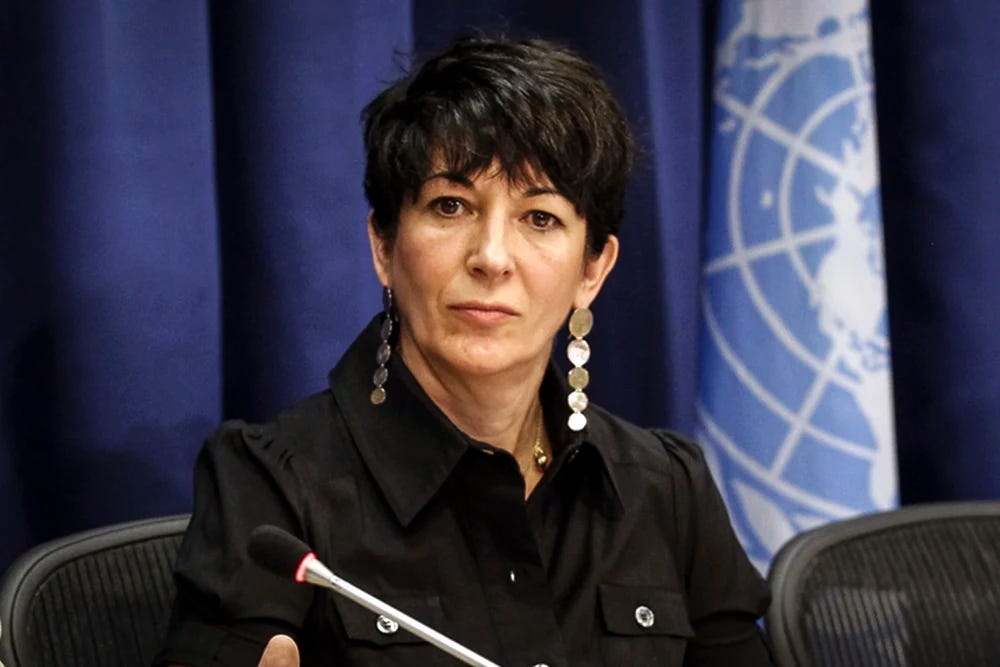
The House Oversight Committee subpoenaed Jeffrey Epstein associate Ghislaine Maxwell to testify from prison as backlash over the Epstein files continues to grow.
“The facts and circumstances surrounding both your and Mr. Epstein’s cases have received immense public interest and scrutiny,” wrote committee chairman Rep. James Comer, adding that the committee is seeking Maxwell’s testimony to “inform the consideration of potential legislative solutions to improve federal efforts to combat sex trafficking and reform the use of non-prosecution agreements and/or plea agreements in sex-crime investigations.”
The committee later subpoenaed the DOJ in an effort to have the Epstein files released, raising questions after a federal judge in Florida denied the release of grand jury records tied to a 2005–2007 investigation into the late child sex offender.
“Today, Oversight Democrats fought for transparency and accountability on the Epstein files and won. House Republicans didn’t make it easy, but the motion was finally passed to force the Department of Justice to release the Epstein files,” said Rep. Robert Garcia.
Immigration
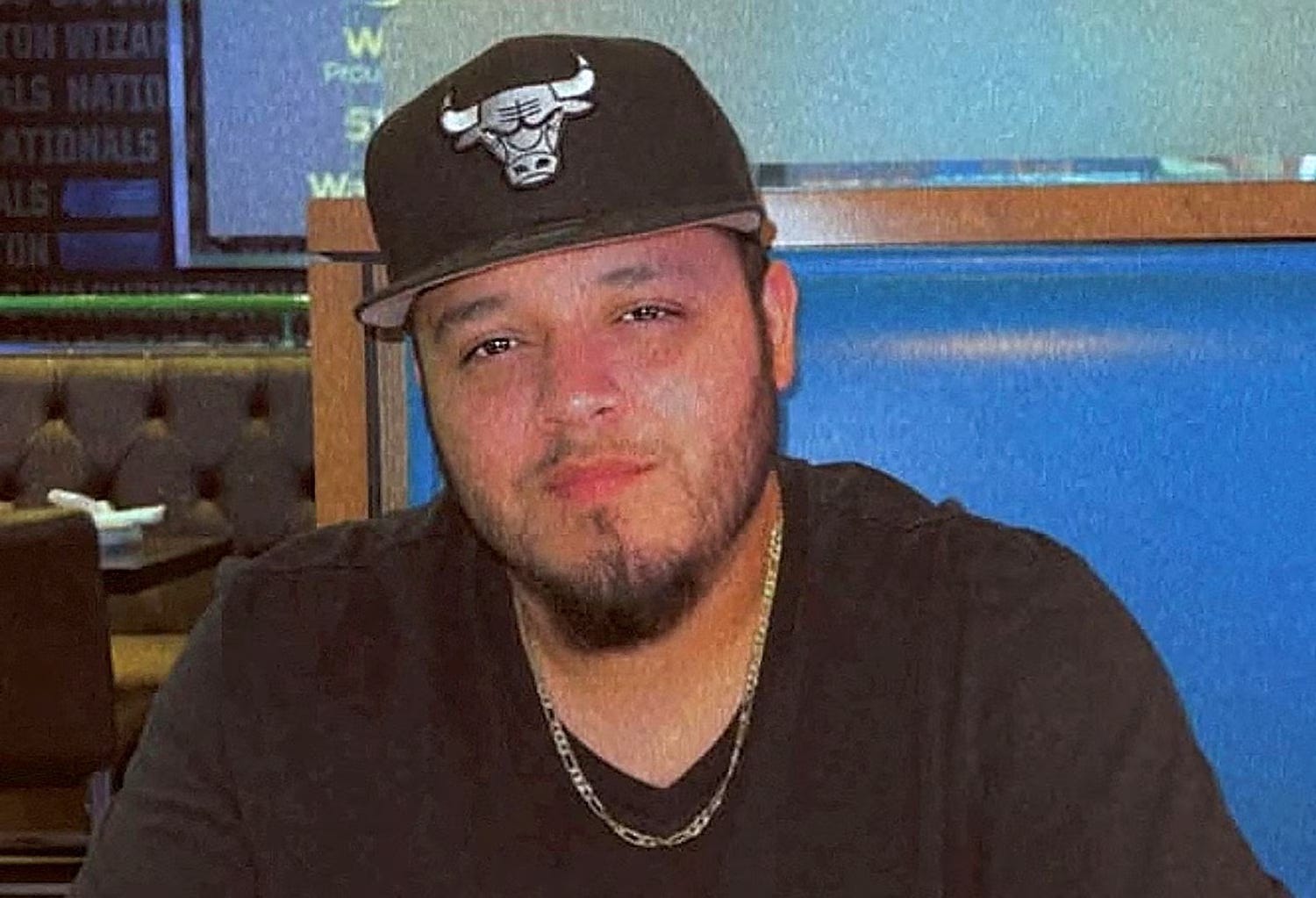
As anti-immigrant sentiment continues, Maryland resident Kilmar Abrego Garcia—who was wrongly deported to El Salvador and later returned to the U.S. on charges of human trafficking—was denied release by Tennessee Judge Waverly Crenshaw just hours after District Judge Paula Xinis ordered his release. Abrego Garcia remains in custody as he awaits trial.
“The court agrees with the magistrate judge that the government has failed to carry its burden of showing that no condition or combination of conditions will reasonably assure Abrego’s appearance or the safety of others,” Crenshaw wrote in his order, referring to Magistrate Judge Barbara Holmes.
In a statement obtained by ABC News, Abrego Garcia’s attorneys requested the stay after being advised that the Department of Homeland Security (DHS) would begin deportation proceedings against him if released.
“Given the uncertainty of the outcome of any removal proceedings, Mr. Abrego respectfully requests that, should the court deny the government’s motion for revocation, the issuance of an order releasing Mr. Abrego be delayed for 30 days to allow Mr. Abrego to evaluate his options and determine whether additional relief is necessary,” his attorneys wrote.
At the same time, the Department of Defense (DOD) announced that military bases in Indiana and New Jersey will be used to detain undocumented immigrants. A memo from Defense Secretary Pete Hegseth to Rep. Herb Conaway stated that both bases would be for the “temporary use by the Department of Homeland Security to house illegal aliens.”
New Jersey representatives criticized the directive in a statement to X, calling it “an inappropriate use of our national defense system.”
“Using our country’s military to detain and hold undocumented immigrants jeopardizes military preparedness and paves the way for ICE immigration raids in every New Jersey community,” the statement read.
The directive from Hegseth marks the third time military bases have been used to hold undocumented immigrants. The Obama administration temporarily used military bases to house undocumented children at the southwest border in 2014, while a report from NewsNation highlighted that refugees from Afghanistan were temporarily housed at military bases in 2021 during the Biden administration.
Backlash intensified after a Human Rights Watch investigation alleged widespread abuses at ICE facilities in Miami, including incidents where detainees were shackled and forced to kneel and eat food in front of them “like dogs.”
“We had to eat like animals,” said Pedro, a detainee.
At the Krome North Detention Center in west Miami, women detainees were reportedly forced to use toilets in full view of men while being denied access to menstrual care products, showers, and adequate food. The jails were so overcrowded that detainees were held in a bus for more than 24 hours while shackled, only being unshackled when using the single toilet on the bus.
“The bus became disgusting. It was the type of toilet in which normally people only urinate, but because we were on the bus for so long, and we were not permitted to leave it, others defecated in the toilet,” one detainee said.
“Because of this, the whole bus smelled strongly of feces.”
Columbia University and Olympic Ban
Following a previous Introspective report detailing the Trump administration’s threats to revoke Columbia University’s accreditation over antisemitism allegations, the Ivy League institution agreed to pay a $200 million settlement to the federal government, restoring paused grants.
“While Columbia does not admit to wrongdoing with this resolution agreement, the institution’s leaders have recognized, repeatedly, that Jewish students and faculty have experienced painful, unacceptable incidents, and that reform was and is needed,” the university said in a statement.
The university also stated that it would pay an additional $21 million to settle investigations brought by the U.S. Equal Employment Opportunity Commission (EEOC), while simultaneously appointing an independent monitor to ensure compliance. The agreement, the university noted, “preserves Columbia’s autonomy and authority over faculty hiring, admissions, and academic decision-making.”
In a press release, Education Secretary Linda McMahon praised the settlement as a “seismic shift” in holding institutions accountable.
“Columbia’s reforms are a roadmap for elite universities that wish to regain the confidence of the American public by renewing their commitment to truth-seeking, merit, and civil debate. I believe they will ripple across the higher education sector and change the course of campus culture for years to come,” McMahon said.
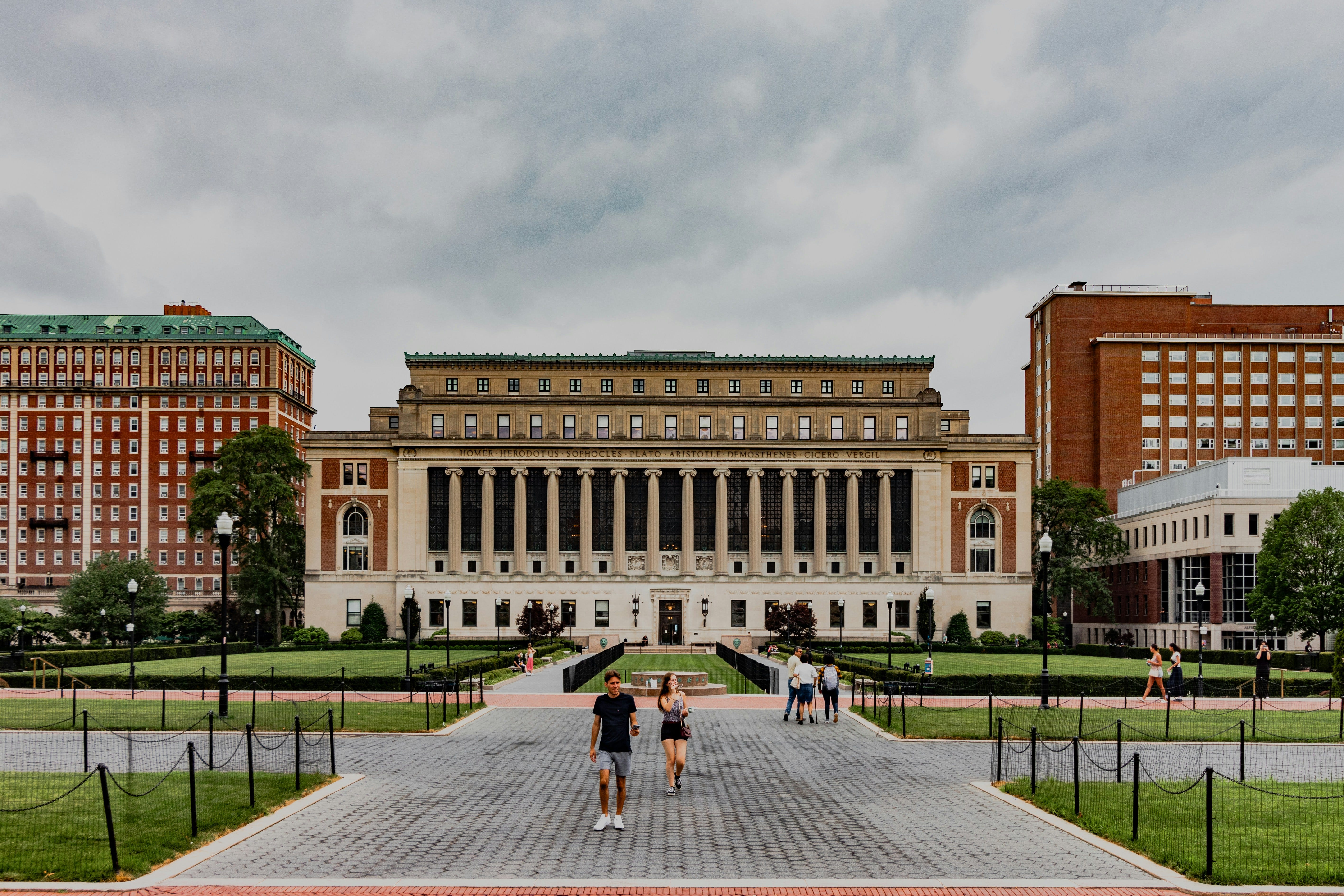
Trump called the agreement “historic” in a Truth Social post.
“Columbia has agreed to pay a penalty of $200 million to the United States government for violating federal law, in addition to over $20 million to their Jewish employees who were unlawfully targeted and harassed,” Trump wrote.
“Columbia has also committed to ending their ridiculous DEI policies, admitting students based ONLY on MERIT, and protecting the Civil Liberties of their students on campus.”
Meanwhile, following a previous Introspective report on Trump’s executive order banning transgender women from competing in women’s sports, the U.S. Olympic & Paralympic Committee (USOPC) officially barred transgender women from competing in Olympic or Paralympic events.
“As a federally chartered organization, we have an obligation to comply with federal expectations,” wrote USOPC CEO Sarah Hirshland and President Gene Sykes.
“Our revised policy emphasizes the importance of ensuring fair and safe competition environments for women. All National Governing Bodies are required to update their applicable policies in alignment.”
 USOPC COMMITTEE POLICY
The National Women’s Law Center—a nonprofit advocating for women’s rights—criticized the decision.
“By giving into the political demands, the USOPC is sacrificing the needs and safety of its own athletes,” wrote President and CEO Fatima Goss Graves in a press release.
“The USOPC should devote its energy to the real and serious disparities harming women athletes: fewer chances to participate across all sports compared to boys and men; worse facilities, coaching, and equipment placing girls and women at greater risk of injury; and endemic sex harassment and assault perpetrated against women athletes.”
The USOPC’s directive follows a previous Introspective report highlighting the University of Pennsylvania’s (UPenn) ban on transgender women in university events and its decision to nullify the NCAA records of Lia Thomas, the first transgender woman to win an NCAA Division I national championship.
Trade War
With the trade war ongoing, President Trump announced an agreement with Japan that reduces tariffs—including on cars—to 15%.
“We just completed a massive deal with Japan, perhaps the largest deal ever made. Japan will invest, at my direction, $550 billion into the United States, which will receive 90% of the profits,” Trump wrote on Truth Social, adding that the deal will create “hundreds of thousands of jobs.”
Ryōsei Akazawa, a member of Japan’s House of Representatives and minister of state for economic and fiscal policy, praised the agreement, expressing “heartfelt thanks to everyone involved.”
“#MissionAccomplished,” he wrote on X in Japanese.
However, the agreement drew criticism from American automakers, who claimed the deal is unfair because tariffs on American cars made outside the United States will still face a 25% rate.
“American automakers still need to review the details of the U.S.-Japan agreement, but any deal that charges a lower tariff for Japanese imports with virtually no U.S. content than the tariff imposed on North American-built vehicles with high U.S. content is a bad deal for U.S. industry and U.S. auto workers,” said Matt Blunt, president of the American Automotive Policy Council, which represents General Motors, Ford, and Stellantis (Jeep, Ram, Dodge, and Chrysler).

Data from Japan’s Ministry of Finance showed that 28.3% of the country’s exports in 2024 were cars, making the automotive sector a critical part of Japan’s economy.


Leave a Reply