
How the involvement of Black officers challenges traditional narratives of police violence and highlights the complexities of race, power, and institutional structures in law enforcement.
Dante Belcher
May 19, 2025
Content Warning: This article contains discussions of police brutality, racial violence, and death. Reader discretion is advised.
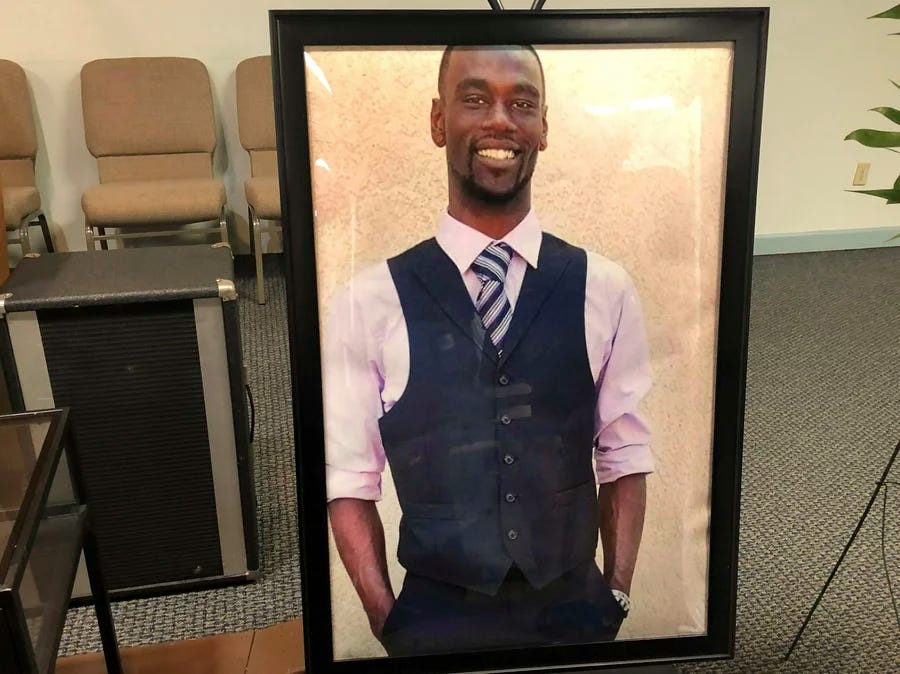
Two years after his killing, outrage erupted following the acquittal of three Memphis police officers who fatally beat Tyre Nichols, a 29-year-old Black man. Nichols was pulled over on suspicion of reckless driving, despite officials later ruling there was no probable cause for the stop. His death was ruled a homicide caused by blunt force trauma to the head, intensifying calls to address police brutality.
However, the killing of Tyre Nichols challenges traditional narratives of police violence. The majority of officers involved—Tadarrius Bean, Preston Hemphill, Demetrius Haley, Desmond Mills Jr., Emmitt Martin III, and Justin Smith—were Black, underscoring how police brutality can persist regardless of who wears the uniform.
Police Brutality: A History
Policing in the United States dates back to the “slave patrols” established in the early 1700s throughout the antebellum South. These patrols were created to catch enslaved Black people attempting to escape to freedom. Officers on patrol often used excessive force to suppress slave rebellions and control the behavior of the enslaved.
“I do swear, that I will as searcher for guns, swords, and other weapons among the slaves in my district, faithfully, and as privately as I can, discharge the trust reposed in me as the law directs, to the best of my power. So help me, God,” read the North Carolina Slave Patrol oath, obtained by the NAACP.
Throughout the 1800s, urban policing began to take shape. Black abolitionists were killed in Boston, and the writing of activist David Walker sparked fear among slaveowners. A report from The New Yorker detailed how Walker’s book, Walker’s Appeal to the Colored Citizens of the World, led then–North Carolina Gov. John Owen to create a “patrol committee” to suppress antislavery rhetoric.
“I beg you will lay this matter before the police of your town and invite their prompt attention to the necessity of arresting the circulation of the book,” Owen wrote to senators.
In territories that would later become states, local militias formed and committed acts of violence against people of color—including Black people, Mexicans and Mexican Americans, Indigenous Americans, and Chinese immigrants.
During Reconstruction and the Jim Crow era, many states enforced “Black codes”—local and state laws that restricted Black people’s access to voting, labor, wages, and basic human rights. This period also saw the formation of the Ku Klux Klan, a domestic terrorist group that targeted Black communities. Members of the Klan were even elected to some of the highest levels of government. During the civil rights movement, police used water hoses, dogs, violence, and tear gas to disperse peaceful protests and sit-ins.
In the 1970s and ’80s, the War on Drugs dramatically increased police funding, while Black communities were disproportionately affected by drug policies—despite research showing that Black and white Americans use and sell drugs at similar rates. In 2019, one in four people arrested for drug violations was Black, even though Black Americans made up just 14% of the population. “Stop and frisk,” a controversial police tactic allowing officers to stop and search people based on suspicion of probable cause, became increasingly prevalent during this era.
The Black Lives Matter movement formed in 2012 after the killing of teenager Trayvon Martin by George Zimmerman, a neighborhood watch member. Since then, numerous Black people have died due to police brutality, including George Floyd, Breonna Taylor, Freddie Gray, and Ronald Greene—a barber who was beaten to death by Louisiana officers in 2019.
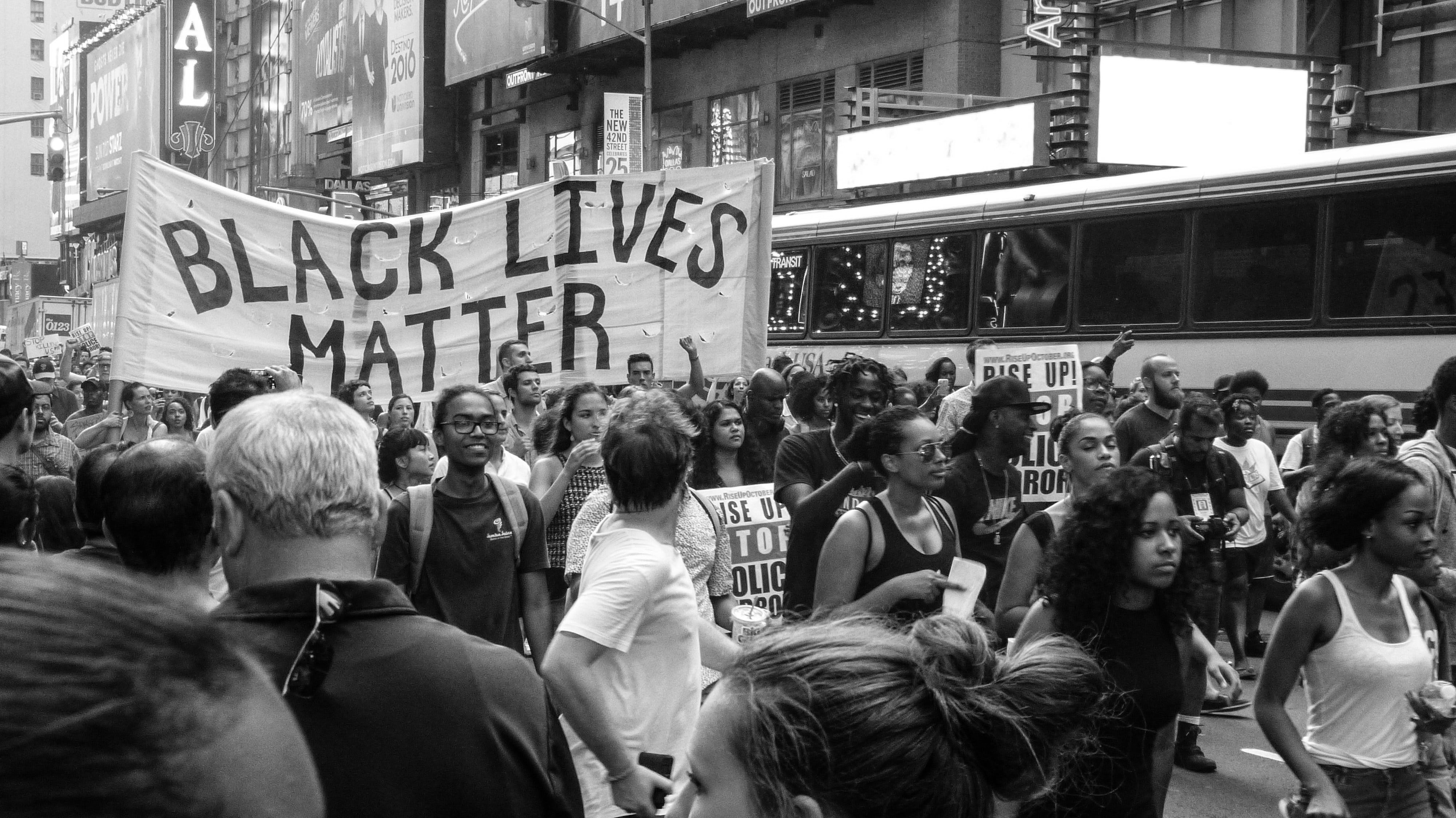
The killing of Tyre Nichols highlights a crucial discussion in the history of police brutality: Black police officers remain part of an institution that has inflicted harm on Black Americans, despite sharing racial identity.
The Complexities of Black Police Brutality
An investigation from NPR found that police officers demonstrate similar biases against Black people regardless of the officer’s race, emphasizing that shared racial identity does not guarantee protection from police brutality.
“Simply because a person is Black or Latino does not mean that they are invested in the neighborhoods that they’re serving,” said Rashawn Ray, a member of the Brookings Institution and a professor at the University of Maryland.
“So, while diversifying police departments is important, oftentimes what happens is that people conflate race with place.”
Further studies found that officers of color tend to be harsher on minorities when conducting vehicle stops and making arrests, underscoring the pervasive nature of anti-Blackness throughout American society. Additional research shows that one in five police officers exhibits high levels of anti-Black bias, highlighting the life-threatening dangers of prejudice in law enforcement.
“The level of implicit bias among police is perhaps not surprising because it is fairly widespread. However, the extent of explicit bias found among police is both surprising and alarming,” wrote University of Miami researchers Jomills H. Braddock II, Rachel Lautenschlager, Alex Piquero, and Nicole Leeper Piquero in a report.
“But there seems to be such a reluctance to acknowledge the possibility that bias exists beyond a handful of individuals in policing. Not recognizing this represents an obstacle to doing something about it. So, let’s stop using the excuse of a few bad apples.”
Colorism—discrimination based on the specific shade of a person’s skin tone—also plays a role in anti-Blackness. Black people with lighter skin are often perceived as more intelligent than their darker-skinned counterparts. In job interviews, darker-skinned Black people are more likely to be remembered as having lighter skin, regardless of their actual complexion.
Additional studies show that the pay gap between lighter-skinned and darker-skinned men is comparable to the wage gap between Black and white men, illustrating the deeply embedded nature of racial bias in everyday life.
Colorism also factors into police brutality. Statistics from the Neighborhood Academy found that Black people killed by police were, on average, darker-skinned—regardless of whether the officer was Black or from another racial or ethnic background.
Not Broken: A System Working as Intended
Following the acquittal of three of the six former officers—Tadarrius Bean, Demetrius Haley, and Justin Smith—on all state charges, including second-degree murder, many activists have criticized the idea of police reform, reminding the public that modern policing in the United States has roots in slavery.
“Reform is not the building of something new. It is the re-forming of the system in its own image, using the same raw materials: white supremacy, a history of oppression, and a toolkit whose main contents are confinement, isolation, surveillance, and punishment,” said Maya Schenwar and Victoria Law in a report by The Nation.
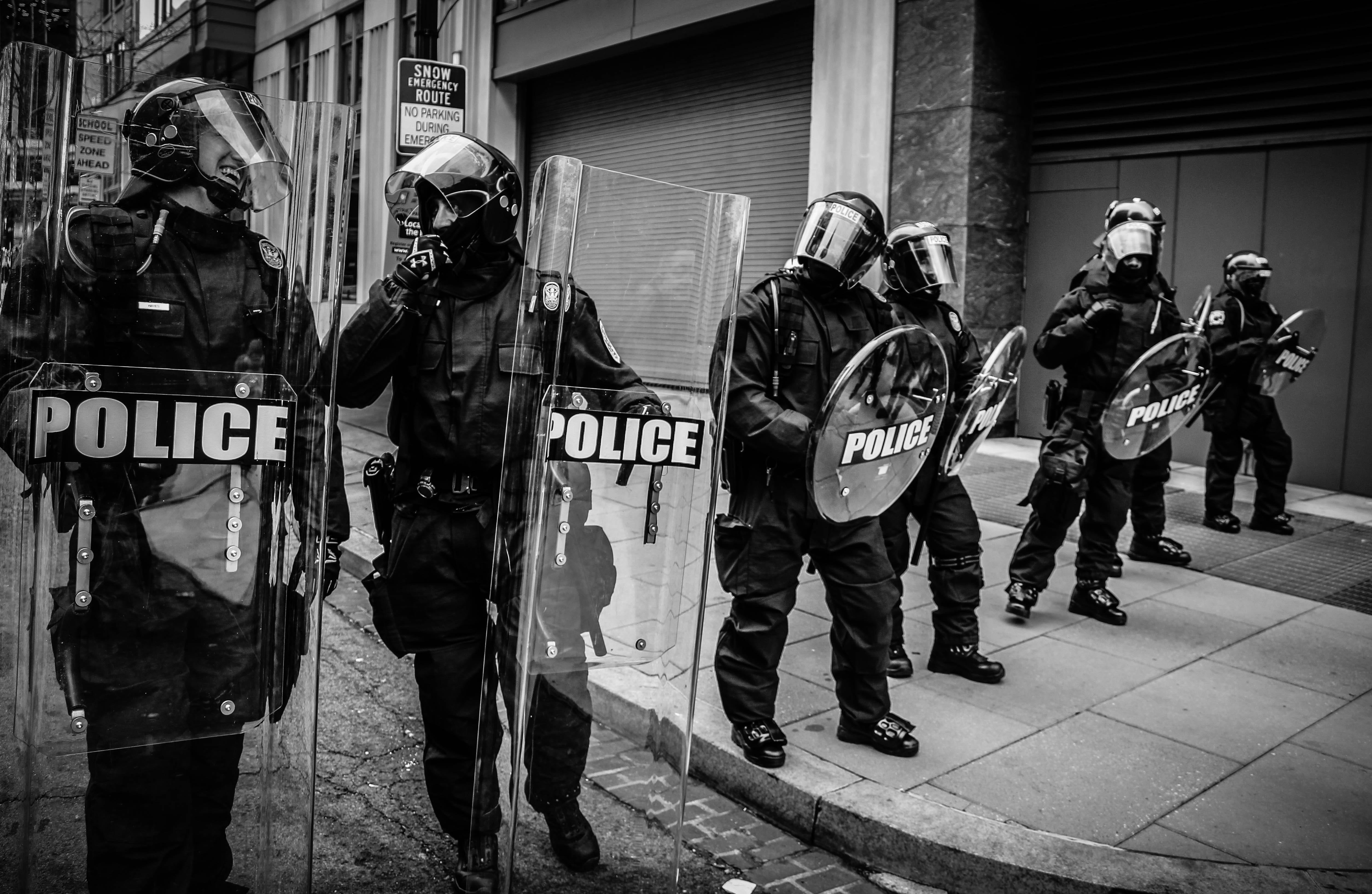
During the trial for Nichols’ killing, there were no jurors who were Black or from Memphis. Instead, the jury was composed entirely of white individuals from Chattanooga, on the other side of Tennessee.
David A. Graham, a writer with The Atlantic, described the chances of ending police brutality as “bleak.”
“The outrage that met George Floyd’s murder in 2020 seemed at first to be a turning point for criminal justice,” Graham wrote.
“The verdict in Memphis shows what an outlier Chauvin’s conviction was: Despite videos at least as horrifying, despite the police chief’s quick action to fire the officers and condemn their behavior, these three former officers escaped murder convictions.”
An investigation by PBS and the Associated Press found that nonlethal de-escalation tactics used by police have still resulted in fatalities. More than 1,000 people died in police custody between 2012 and 2021 after the use of tactics including batons, stun guns, restraints, and chemical agents.
“What happened was officers went too far, too fast, too long, and they were making errors in the way they applied this force that went beyond best safety practices,” said Reese Dunklin, a reporter who contributed to the investigation, in an interview.
“So, they would hold people down on the ground on their chest in a way where these people couldn’t breathe, their hearts couldn’t function properly. And that’s exactly what happened to George Floyd. Or, in other cases, they would use their stun guns too many times and for too long.”
Dunklin also noted that many people killed by police died in their own homes, with some having called 911 during medical emergencies such as drug overdoses. He added that a third of those killed were Black.
“And the cops arrived. And in order to try to control the person to get medical help, the cops went too far,” Dunklin said.
In recent years, advocates have increasingly called for police departments to be defunded rather than reformed. Paige Fernandez, a former member of the American Civil Liberties Union (ACLU), wrote that the overfunding of police departments has led to “significant harm.”
“Much of the work police do is merely engage in the daily harassment of Black communities for minor crimes or crimes of poverty that shouldn’t be criminalized in the first place,” Fernandez wrote, emphasizing that only 5% of arrests are for serious offenses.
“That means that police spend the most resources going after minor incidents that actually don’t threaten everyday life but do lead to mass criminalization and incarceration.”
 The Introspective
Leave a comment