
Recent denim campaigns spark conversations on identity, inclusion, and the politics woven into fashion.

American Eagle faced controversy with its ongoing campaign starring actor Sydney Sweeney. Ads featuring Sweeney—known for her role in Euphoria—included “clever, even provocative language” and were “definitely going to push buttons.”
The campaign, “Sydney Sweeney Has Great Jeans,” was criticized as promoting eugenics— racially biased beliefs regarding genetics—as many ads used “genes” instead of “jeans” when featuring the blonde-haired, blue-eyed actress.
“Genes are passed down from parents to offspring, often determining traits like hair color, personality and even eye color,” Sweeney said in an ad.
“My genes are blue.”
Many referred to the ad as a “dog whistle,” as companies have moved away from policies promoting diversity, equity and inclusion (DEI) throughout the 2020s amid backlash.
“That ad doesn’t exist without the culture it’s selling into,” TikTok user Jess Britvich said, mentioning that Sweeney’s endorsement is American Eagle’s most expensive campaign so far.
“It’s echoing the language of white purity politics.”
In a report by Slate, Jenny G. Zhang alleged that American Eagle was out of touch with the campaign.
“These days, a blond, blue-eyed white woman being held up as the exemplar of ‘great genes’ is a concept that maybe shouldn’t have made it past the copywriters’ room,” she wrote.
Zhang also noted that the ad was in reference to a Calvin Klein campaign from 1980 that starred a then-15-year-old Brooke Shields, earning controversy as the ad featured a minor being sexualized.
“Genes are fundamental in determining the characteristics of an individual and passing on these characteristics to succeeding generations,” Shields said in the ad.
President Donald Trump praised the American Eagle ad in a Truth Social post while also praising Sweeney for being a Republican.
“Sydney Sweeney, a registered Republican, has the ‘HOTTEST’ ad out there. It’s for American Eagle, and the jeans are ‘flying off the shelves.’ Go get ‘em Sydney!” he wrote.
“The tide has seriously turned — being woke is for losers, being Republican is what you want to be. Thank you for your attention to this matter!”
White House spokesperson Steven Cheung also acknowledged the ad, writing on X that “cancel culture run amok” was to blame.
“This warped, moronic and dense liberal thinking is a big reason why Americans voted the way they did in 2024,” he wrote.
“They’re tired of this bullshit.”
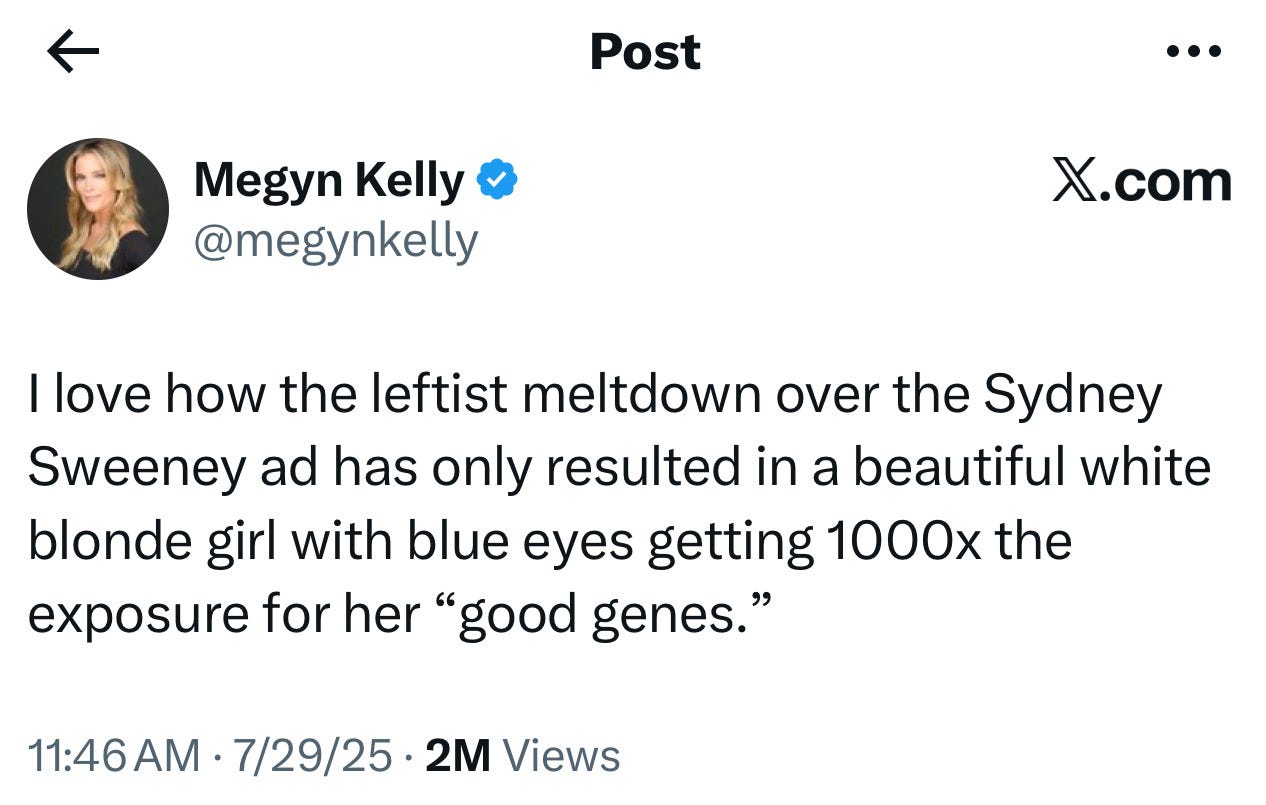
In a separate X post, former Fox News host Megyn Kelly claimed critics were having a “meltdown.”
“I love how the leftist meltdown over the Sydney Sweeney ad has only resulted in a beautiful white blond girl with blue eyes getting 1000x the exposure for her ‘good genes,’” she wrote.
American Eagle later addressed the controversy in a statement on Instagram, supporting Sweeney while emphasizing inclusion.
“Sydney Sweeney Has Great Jeans is and always was about the jeans,” the company said.
“Her jeans. Her story. We’ll continue to celebrate how everyone wears their AE jeans with confidence, their way. Great jeans look good on everyone.”
Stock for American Eagle rose 18% following the launch of the campaign.
Gap: Better in Denim
Gap received attention after launching the “Better in Denim” campaign with an emphasis on inclusion. The campaign, starring girl group Katseye, features the members dancing to “Milkshake” by Kelis while wearing Gap denim.
In a press release, Gap said the ad highlighted “cultural diversity” and “individuality,” emphasizing the diversity of Katseye, whose members are from the Philippines, South Korea, Switzerland and the United States.
“Gap continues to build on its legacy of bridging generations by spotlighting global talent and celebrating self-expression through music, dance and denim,” said Mark Breitbard, president and CEO of Gap.
“Partnering with Katseye was a natural fit. We share a bold, expressive and inclusive point of view. ‘Better in Denim’ is the best expression of who the brand is today—fresh, relevant, original and undeniably Gap.”
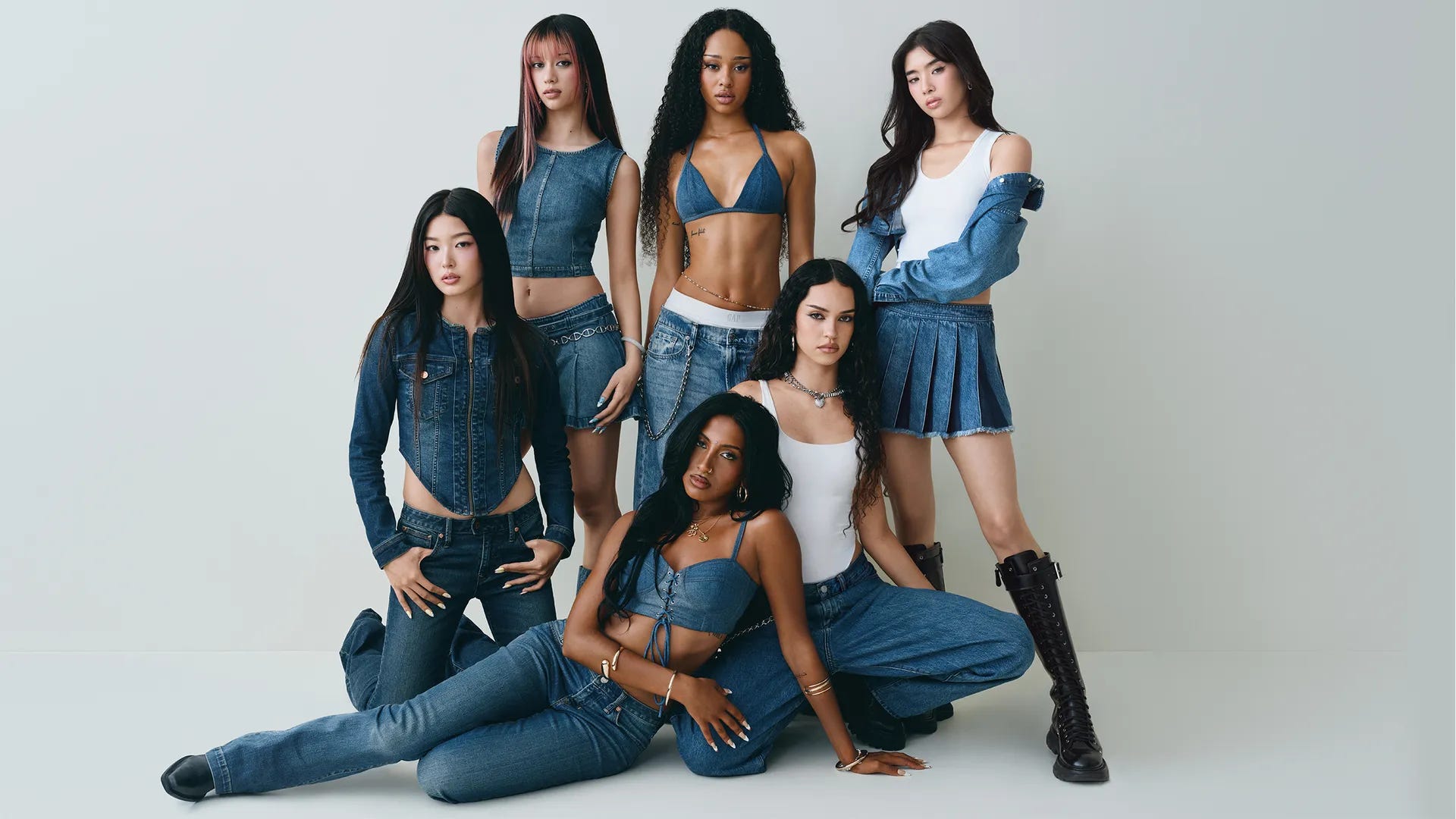
Many compared Gap’s campaign with American Eagle’s, noting the differences in each ad.
“Gap marketing team must be psychics with ‘better than yours’ as part of the lyrics, selecting this girl group and releasing it after the American Eagle controversy. IMPECCABLE TIMING,” read a comment by user @Lee-ii9mk.
Another comment noted that the criticism toward Sydney Sweeney wasn’t about her being a woman, but about the allegations of her promoting eugenics.
“It’s so funny how people were saying we were hating on the Sydney Sweeney ad just cuz we are jealous … but these girls are GORGEOUS too and we are LOVING this ad … shows it was never about women hating on women,” said user @yashitaratti8753.
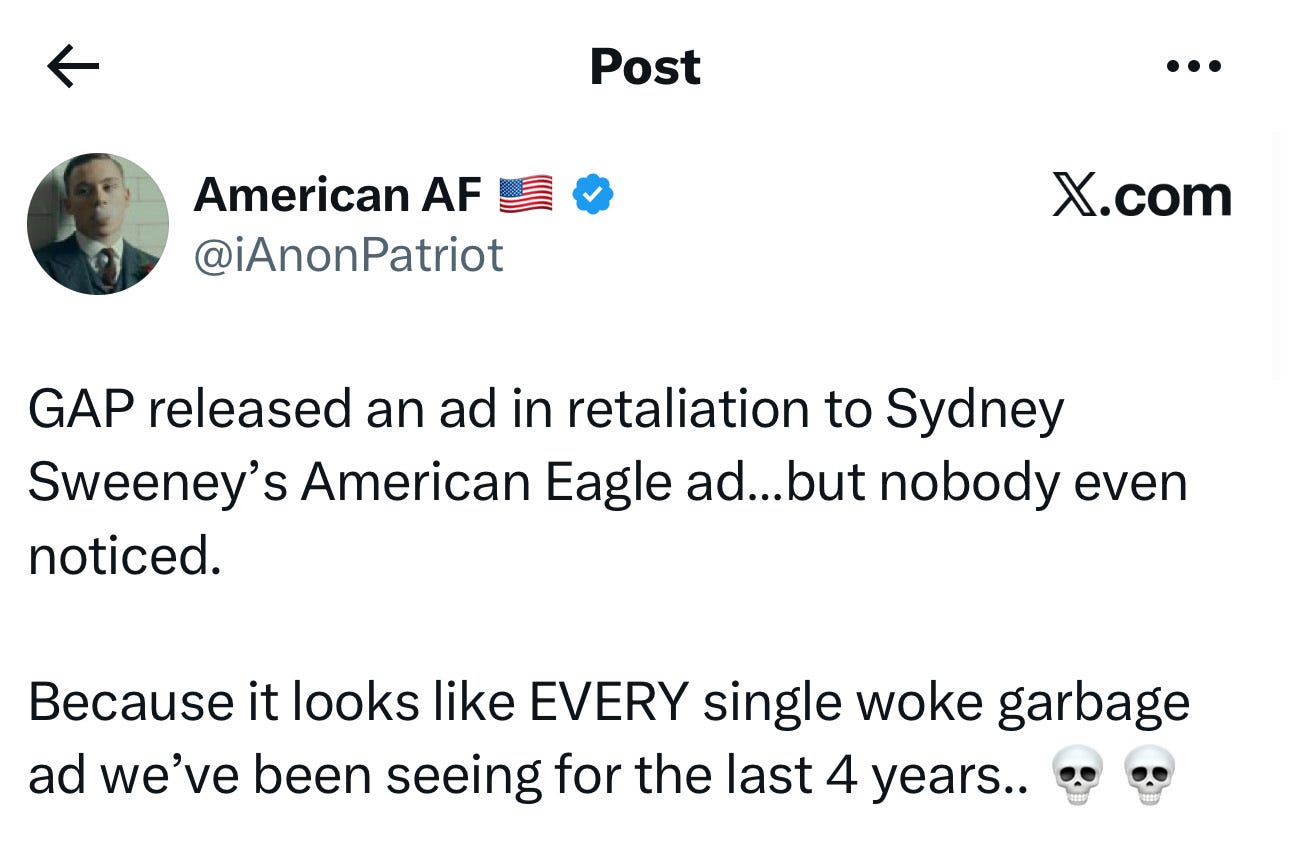
However, a post on X criticized the ad with Katseye, calling it “woke garbage.”
“Gap released an ad in retaliation to Sydney Sweeney’s American Eagle ad … but nobody even noticed,” said the user, despite Gap never mentioning Sweeney.
“Because it looks like EVERY single woke garbage ad we’ve been seeing for the last four years.”
While Katseye hasn’t acknowledged the controversy, the members previously said Gap “invited us to show up as we are.”
“The denim moved with us, and every look felt like our own. We got to perform as ourselves, bringing our style and culture to every frame. That’s what makes this moment so powerful.”
Denim: The Deeper Meaning
Despite the controversy with American Eagle, denim has had a complex and political history throughout the years after originating within working-class communities. During the civil rights movement, protesters wore jeans to withstand attacks from police dogs and high-pressure water hoses.
“It took Martin Luther King’s march on Washington to make them popular,” wrote Caroline A. Jones in Machine in the Studio: Constructing the Postwar American Artist, also highlighting denim’s origin during slavery.
“It was here that civil rights activists were photographed wearing the poor sharecropper’s blue denim overalls to dramatize how little had been accomplished since Reconstruction.”
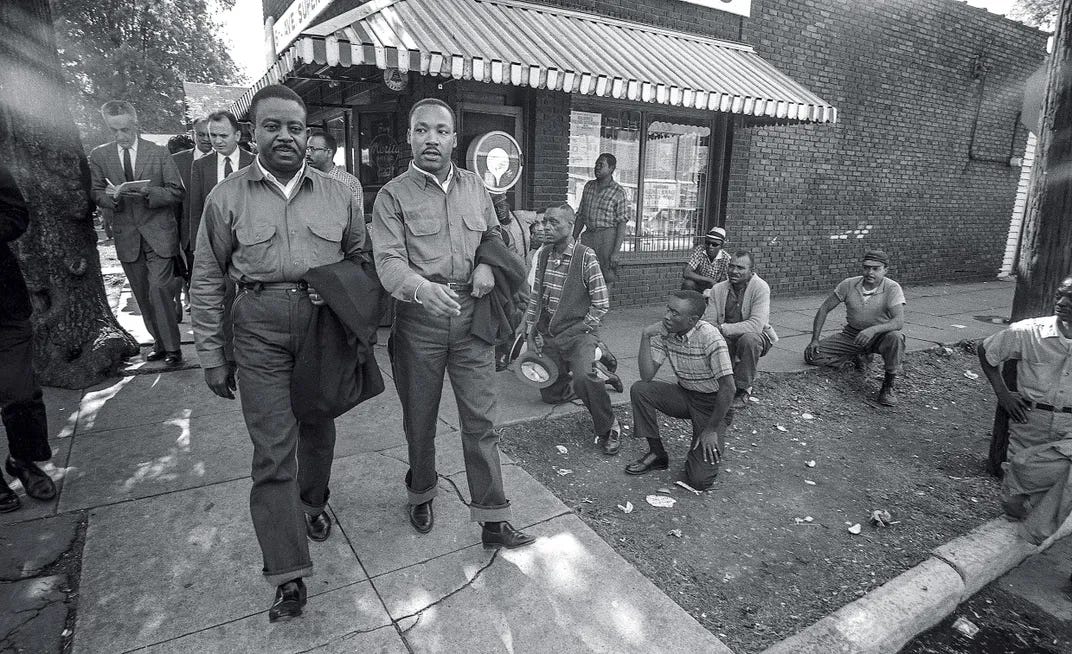
James Sullivan, author of Jeans: A Cultural History of an American Icon, noted that many Black Americans at the time were wary of wearing denim due to its ties to slavery and sharecropping —a post-Civil War form of indentured servitude.
“There were some African Americans who felt that to wear jeans was disrespectful to yourself,” he wrote.
“For many African Americans, denim workwear represented a painful reminder of the old sharecropper system. James Brown, for one, refused to wear jeans, and for years forbade his band members from wearing them.”
Sullivan also pointed to the hippie counterculture of the 1960s, which drew influence from Black Americans. Levi’s “Trucker” code, he said, was a throwback to denim workwear common among sharecroppers and rural laborers.
“The connection to the rural, back-to-the-land working class inspired, in some part, the all-denim, top-to-bottom look that hippies ended up wearing,” he wrote.
During the Cold War, youth in East Germany wore blue jeans—specifically Levi’s—as a symbol of resistance, challenging the anti-capitalist notion of denim.
Denim is also at the center of the Denim Day campaign, which began in 1999 after Italy’s Supreme Court of Cassation ruled that an 18-year-old rape victim had consented because she was wearing tight jeans during her assault—implying she helped her attacker remove them. The Italian court overturned the ruling in 2008, but Denim Day became an annual campaign to raise awareness of sexual assault and to end victim blaming.
“Denim Day asks community members, elected officials, businesses and students to make a social statement with their fashion statement,” the campaign said, encouraging participants to wear jeans as “a visible means of protest against the misconceptions that surround sexual violence.”


Leave a Reply