
The week included a counterterror adviser’s resignation, a vaccine policy block, military injuries, and a $5 billion deepwater drilling approval.
Dante Belcher
Mar 20, 2026
Trump’s 61st week brought updates to Iran, and health and environmental policy. This comes as Joe Kent—the Trump administration’s top counterterrorism official—resigned over opposition to the Iran war, saying that “Iran posed no imminent threat to our nation,” raising implications as more than 200 U.S. troops have been injured in the war.
At the same time, a federal judge blocked parts of Health Secretary Robert F. Kennedy Jr.’s plan to reduce the number of vaccines recommended to children. This comes following previous reports from The Introspective detailing the Centers for Disease Control and Prevention (CDC) reducing the number of vaccines recommended for children, making certain immunizations, including the flu shot, optional, and another report detailing RFK Jr.’s history of promoting disinformation toward vaccines. Meanwhile, the Trump administration approved a $5 billion oil drilling project in the Gulf of Mexico, allowing oil company British Petroleum (BP) to operate in deep waters.
Iran
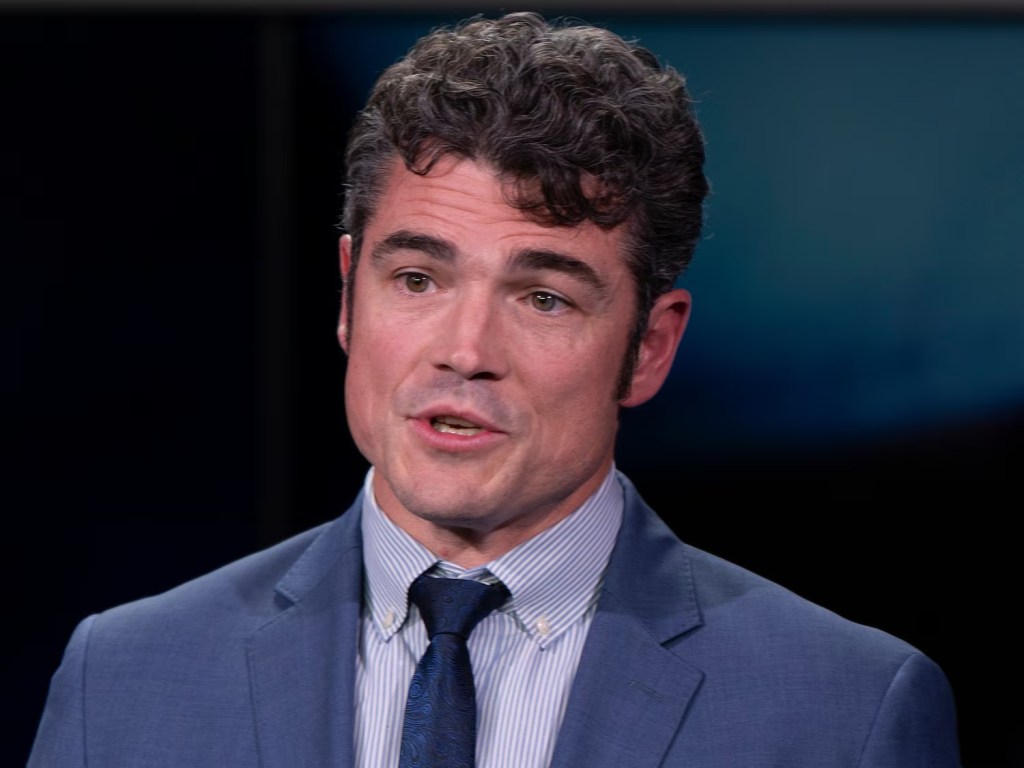
As the war in Iran continues, Joe Kent, director of the National Counterterrorism Center (NCTC), announced his resignation Tuesday, writing on X that “Iran posed no imminent threat to our nation.”
“I cannot, in good conscience, support the ongoing war in Iran,” he wrote.
“Iran posed no imminent threat to our nation, and it is clear that we started this war due to pressure from Israel and its powerful American lobby.”
He later accused Israeli officials and the American media of influencing the war.
“Early in this administration, high-ranking Israeli officials and influential members of the American media deployed a misinformation campaign that wholly undermined your America First platform and sowed pro-war sentiments to encourage a war with Iran,” he added.
“This echo chamber was used to deceive you into believing that Iran posed an imminent threat to the United States, and that, should you strike now, there was a clear path to a swift victory. This was a lie and is the same tactics the Israelis used to draw us into the disastrous Iraq war that cost the nation the lives of thousands of our best men and women.”
President Trump later told reporters that he read Kent’s statement, adding that he “always thought he was weak on security, very weak on security.”
“When I read his statement, I realized that it’s a good thing that he’s out, because he said Iran was not a threat,” said Trump.
“Iran was a threat—every country realized what a threat Iran was.”
White House press secretary Karoline Leavitt said on X that there were “many false claims” throughout Kent’s letter, criticizing his comments about Iran.
“This is the same false claim that Democrats and some in the liberal media have been repeating over and over,” she wrote.
“As President Trump has clearly and explicitly stated, he had strong and compelling evidence that Iran was going to attack the United States first.”
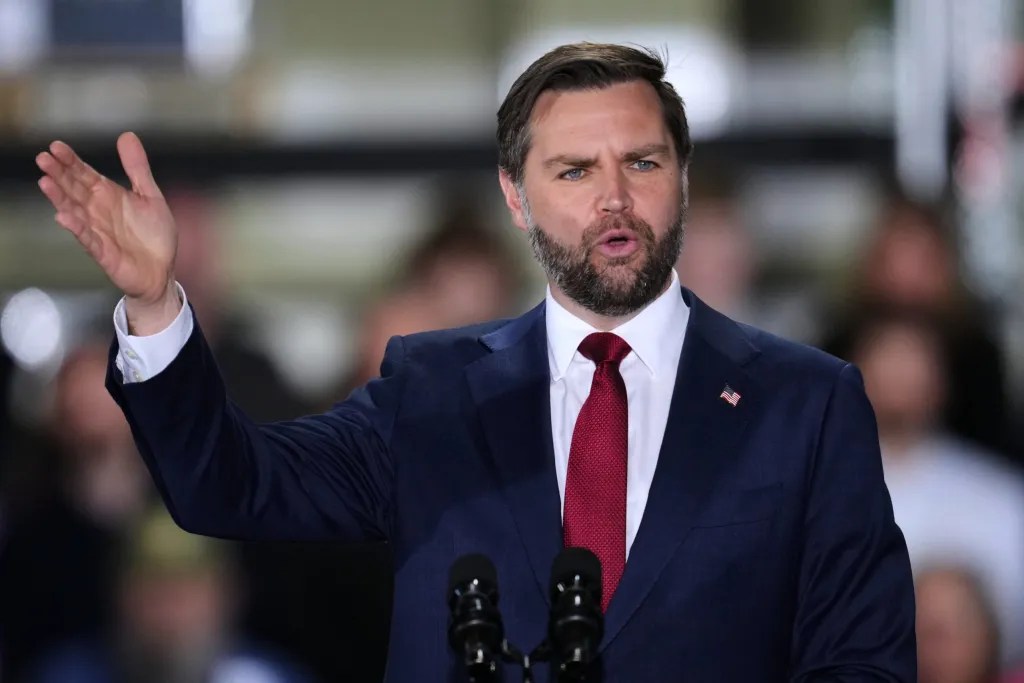
Vice President J.D. Vance said that “nobody likes war,” while saying that people must follow Trump’s directions.
“That said, whatever your view is, when the president of the United States makes a decision, it’s your job to help make that decision as effective and successful as possible,” he said.
“And so the president said this yesterday: If you are on the team and you can’t help implement the decisions of his administration—he has the right to make those decisions—then it’s a good thing for you to resign.”
This comes as more than 200 troops have been injured in the war, with 180 later returning to combat.
Vaccines and Environment
As backlash to health policies continues, U.S. District Judge Brian Murphy blocked parts of Health Secretary Robert F. Kennedy Jr.’s plan to reduce the number of vaccines recommended to children.
“There is a method to how these decisions historically have been made—a method scientific in nature and codified into law through procedural requirements,” he wrote in the court filing.
“Unfortunately, the government has disregarded those methods and thereby undermined the integrity of its actions.”
In a statement, the American Academy of Pediatrics—a plaintiff in the lawsuit—celebrated the decision.
“This decision effectively means that a science-based process for developing immunization recommendations is not to be trifled with and represents a critical step to restoring scientific decision-making to federal vaccine policy that has kept children healthy for years,” said Dr. Andrew Racine, president of the organization.

Meanwhile, the Trump administration approved a $5 billion oil drilling project—called Kaskida—in the Gulf of Mexico, allowing oil company BP to operate in deep waters.
“Kaskida is a world-class project that reflects decades of technological innovation by BP and the offshore oil and gas industry,” said Paul Takahashi, a BP spokesperson, in a statement obtained by The Introspective, adding that the approval “marks an important step forward for the project and is all the more important at a time of heightened global concerns about energy security and affordability.”
 The Introspective
Leave a comment