
The week included the rescission of Biden-era Title IX protections, a Supreme Court ruling on third-country deportations, and an FTC probe into AI safety.
Dante Belcher
Oct. 5, 2026

Trump’s 89th week brought updates to immigration, backlash to DEI and LGBTQ rights, and a government investigation. This comes as the Department of Education removed Title IX protections for LGBTQ students, raising implications as the protections were added during the Biden administration. At the same time, as anti-immigrant sentiment continues, the Supreme Court allowed Trump to resume deportations to third-party countries, countries that are not the deportee’s nation of origin. Following previous reports from The Introspective detailing U.S. citizens Renee Good and Alex Pretti being killed by ICE agents, Good’s family filed a lawsuit against the federal government and the Trump administration over her killing.
As backlash to AI continues, the Federal Trade Commission (FTC) opened an investigation into the safety of AI systems, including Anthropic and OpenAI, which owns ChatGPT. Meanwhile, the Pentagon revealed a data breach that exposed sensitive data on nearly 3 million people.
Title IX, Immigration, and Renee Good
As backlash to DEI continues, the Department of Education removed Title IX protections for LGBTQ students.
“Today’s rulemaking clears the Biden administration’s illegal rewrite of Title IX from the Code of Federal Regulations and restores the commonsense language promulgated in the first Trump administration, which we have been enforcing since the first days of the administration,” said Education Secretary Linda McMahon in a press release, before using subtle transphobic language.
“Thanks to today’s action, the published Title IX regulations faithfully reflect court orders and congressional intent, reducing confusion for parents, students and educational institutions. We will continue to relentlessly champion equal opportunity for all Americans and hold accountable any school or college that violates the rights, privacy or athletic opportunities of our women and girls.”

The decision was later criticized by the National Women’s Law Center, saying in a statement that it would harm transgender athletes and weaken protections for victims and survivors of sexual assault.
“Sexual harassment and assault continue to be pervasive in schools and, to the fullest extent possible, we should be working to enforce the laws that protect student survivors of sexual violence,” said Shiwali Patel, senior director of education justice.

At the same time, as anti-immigrant sentiment continues, the Supreme Court allowed Trump to resume deportations to third-party countries, countries that are not the deportee’s nation of origin.
“The application for stay presented to Justice Jackson and by her referred to the Court is granted,” read the unsigned order.
“The application is also treated as a petition for a writ of certiorari, and the petition is granted.”
This comes as research from the Migration Policy Institute found that 15,000 people were deported to third countries in 2025, with Mexico receiving the most deportees.
Following a previous report from The Introspective detailing U.S. citizen Renee Good being killed by Jonathan Ross, an ICE agent, in Minneapolis in January, Good’s family filed a lawsuit against the federal government and the Trump administration over her killing.

Pentagon and AI Investigation
As security concerns continue, a data breach at the Pentagon exposed sensitive information of nearly 3 million people.
“A Defense Manpower Data Center (DMDC) information system experienced unauthorized access of personally identifiable information by a small number of unauthorized users between October 2025 and July 2026. Upon discovery, DMDC immediately remediated the vulnerability,” said a Pentagon official in a statement obtained by The Introspective.

There has been no evidence of the exposed information being misused so far.
Meanwhile, the FTC opened an investigation into the safety of AI systems, including Anthropic and OpenAI.
“This is a statement of principles that you’ll see, a statement of standards, commitments that are voluntary on behalf of the industry,” said House Speaker Mike Johnson, referring to an agreement signed between tech companies and the federal government last Tuesday.
“It sets forth expectations.”
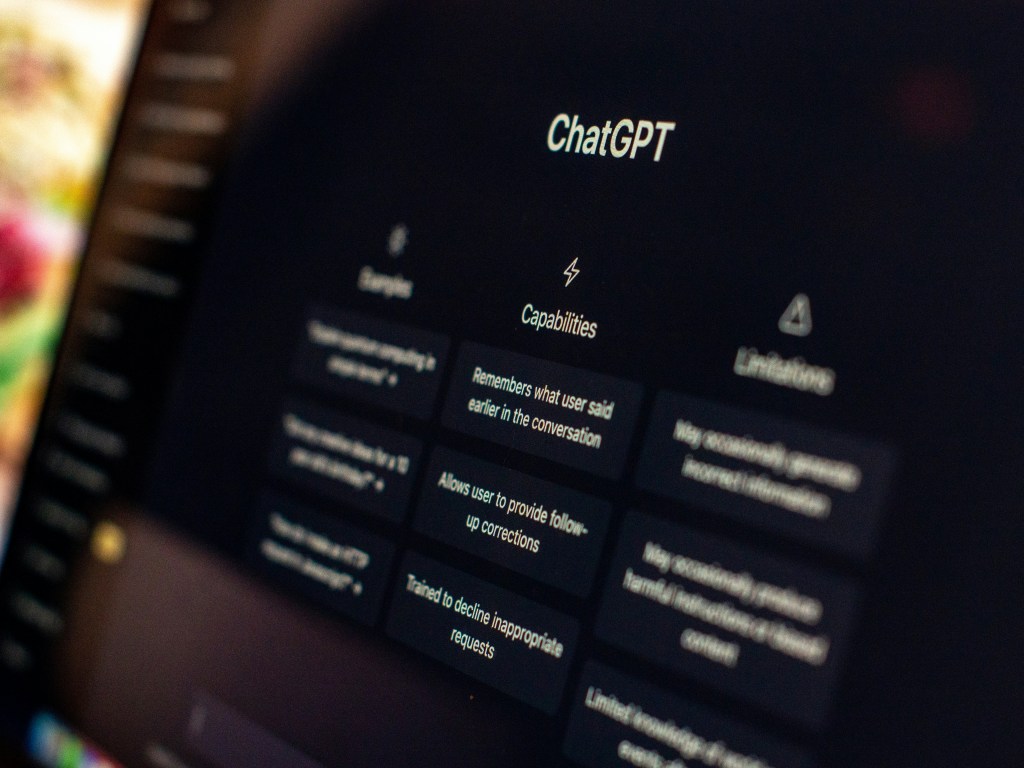
This comes as the FTC alleged unfair and deceptive acts by AI companies.


Leave a comment