
The week included a House vote on Iran, a new acting intelligence chief, and major court rulings on military policy and redistricting.
Dante Belcher
June 5, 2026
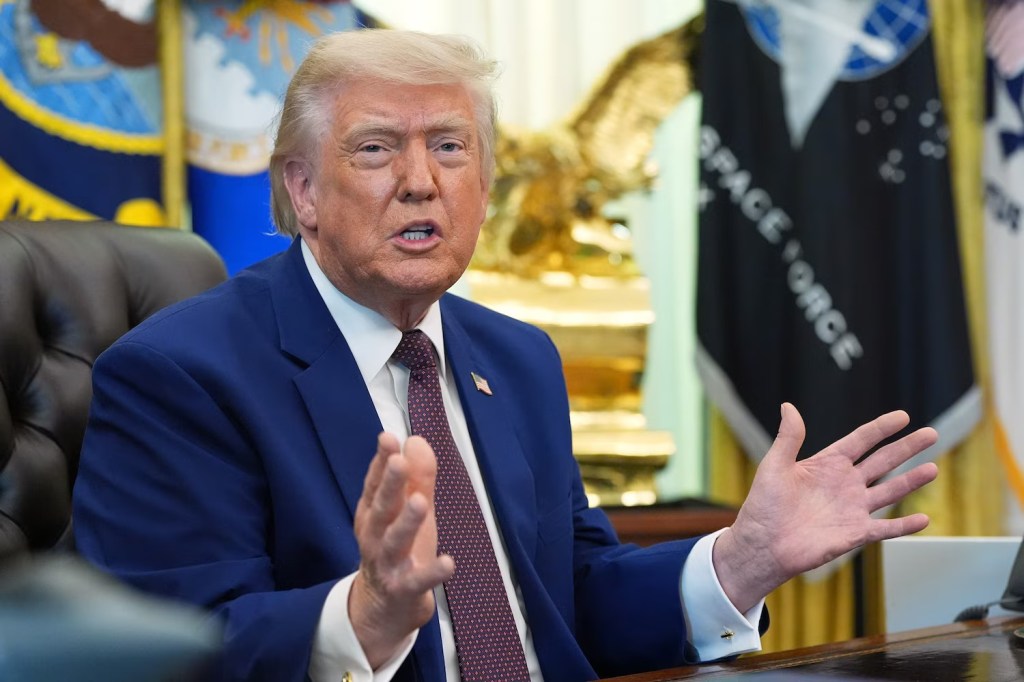
Trump’s 72nd week brought updates on Iran, the Supreme Court, transgender rights and leadership. As the war in Iran continues, the House of Representatives passed a War Powers Resolution aimed at limiting Trump’s actions in the Middle East, raising implications as the Strait of Hormuz remains closed. At the same time, following a previous report from The Introspective detailing the Supreme Court limiting the Voting Rights Act of 1965, the court allowed Alabama to use a congressional map that eliminates a predominantly Black district.
Following a previous Introspective report detailing transgender people being banned from serving in the military, a federal appeals court ruled the ban unconstitutional. Meanwhile, Trump named Federal Housing Finance Agency Director Bill Pulte acting director of national intelligence following the resignation of Tulsi Gabbard.
Iran and Supreme Court
The House of Representatives voted 215-208 to limit Trump’s actions in Iran, more than four months since the beginning of the war.
“We must keep the world safe, and we must also follow the law,” said Rep. Brian Fitzpatrick in a statement.
“The War Powers Act of 1973 states that any conflict exceeding 60 days must be brought to Congress.”
As the resolution now heads to the Senate, the proposed actions would prohibit Trump from using armed forces unless a declaration of war or authorization to use force is enacted.
“Congress has followed the Constitution today — Democrats and Republicans said enough is enough. It is time to end this war. It is time for the president to tell the American people why we entered this war,” said Rep. Gregory Meeks.
House Speaker Mike Johnson criticized the vote, claiming it would “weaken” Trump’s ability to negotiate with Iran.
“I think it is a very dangerous prospect to take away from the administration and the commander in chief right now the ability to negotiate,” he said.
“The president is now in the process of concluding a peace agreement, and we have to allow him the latitude to do that.”

Rep. Brian Mast also criticized the resolution, calling it a “stupid political vote.”
“It’s just a total BS vote, and I think there’s no Democrat, no Republican who can tell you what forces they would want pulled from Iran. There’s really nothing they actually want pulled from there,” he said.
“They just want a stupid political vote, which is what this is. It weakens the president’s hand as he’s negotiating with Iran.”
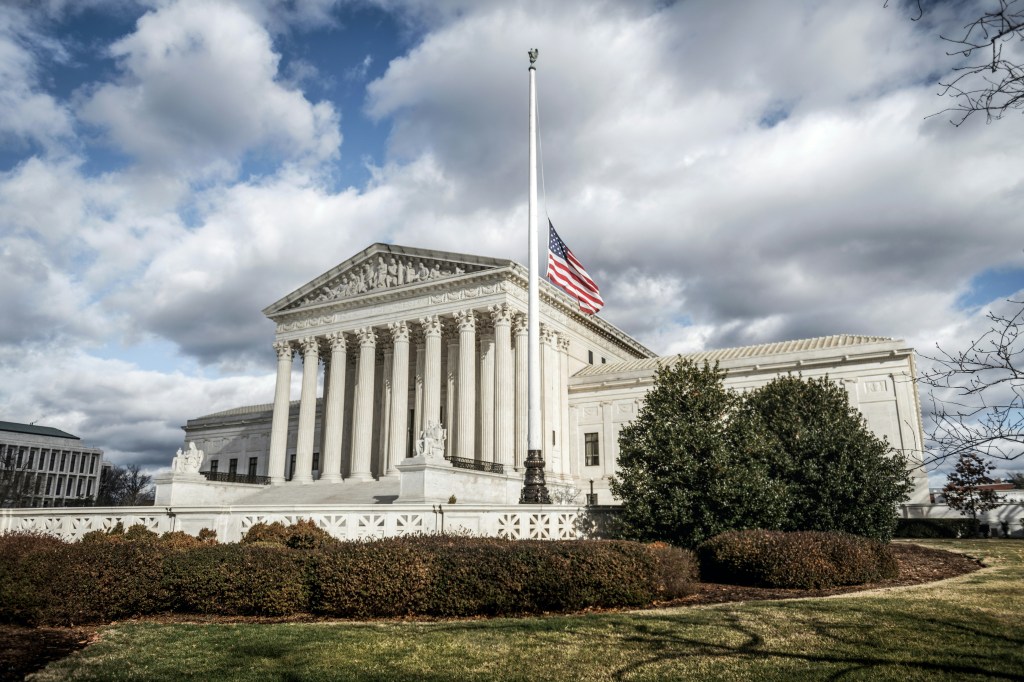
At the same time, following a previous report from The Introspective detailing the Supreme Court limiting the Voting Rights Act of 1965, the court allowed Alabama to use a congressional map that eliminates a predominantly Black district.
“Its view that conducting the elections under court-imposed maps would be more convenient for the state was not a valid justification for that intervention,” read the court filing.
“While federal courts should not impose changes close to an election, states are free to decide for themselves whether last-minute changes to an election are in their best interests.”
Justice Sonia Sotomayor dissented from the ruling, saying that Alabama “doubled down on racial discrimination.”
“Now the court is squarely faced with a record of the turmoil it has caused and the harm it has wrought,” she wrote.
“Because I choose to defend the rule of law and the right of all Alabamians to participate equally in democracy, I respectfully dissent.”
Trans Rights and DNI
In a 2-1 decision, a federal appeals court ruled that the ongoing transgender military ban is unconstitutional and “appears to be driven by the bare desire to harm a politically unpopular group.”
“At this preliminary stage, I conclude that the Hegseth Policy is both arbitrary and based upon animus, and for those reasons the Policy violates Plaintiff-Appellees’ constitutional right to equal protection of the law,” wrote Judge Robert Wilkins, referring to Defense Secretary Pete Hegseth.
“For those servicemembers facing expulsion, it is not clear how easily they can be reinstated and made whole. But even if they can be reinstated after being separated, it appears to us to be a much greater hardship to end a military career than to delay the start of one.”
In a press release, National Center for LGBTQ Rights Legal Director Shannon Minter called the ruling a “dramatic shift in the status quo.”
“Before today, the Trump administration was actively taking steps to discharge these courageous plaintiffs. Today’s decision stops this administration from doing so,” she said.
“Servicemembers were preparing to be hauled before review boards and discharged — despite years of honorable service. The court today affirmed the District Court’s careful findings that this administration’s ban on transgender military service has no legitimate basis.”

Defense Secretary Pete Hegseth criticized the ruling in an X post.
“See you at SCOTUS,” he wrote.
Meanwhile, Trump named Federal Housing Finance Agency Director Bill Pulte acting director of national intelligence following the resignation of Tulsi Gabbard.
 The Introspective
Leave a comment